

Conveying Methods for Sawdust and Wood Flakes
When it comes to the efficient handling and transportation of sawdust and wood flakes, selecting the right conveying method is crucial for optimizing workflow and maintaining product quality. As a leading provider in the industry, Shandong HeadPowder Engineering Co., Ltd. specializes in delivering tailored solutions that address the unique challenges of processing wood-based materials. This article explores the various methods available for sawdust and wood flakes conveying, highlighting the advantages and applications of each approach.
1. Mechanical Conveying Systems
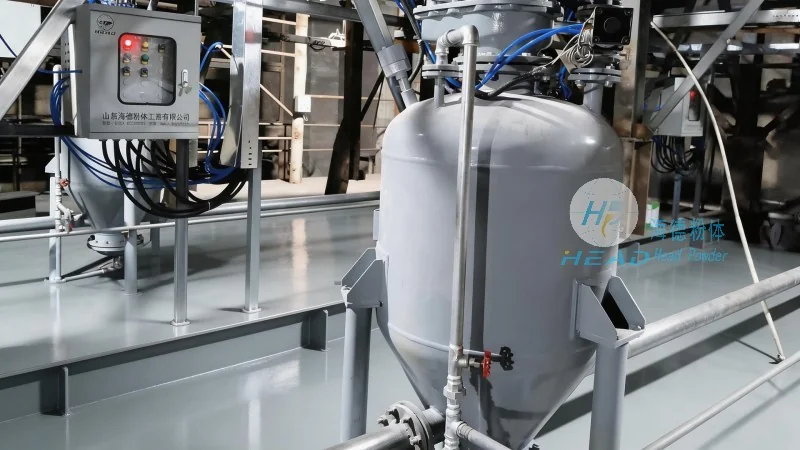
Mechanical conveying systems are widely used for transporting sawdust and wood flakes due to their reliability and adaptability. These systems typically involve components such as screw conveyors, belt conveyors, and bucket elevators, which operate by physically moving materials through a closed or open channel. Screw conveyors, for instance, use a rotating helical screw to push material forward, making them ideal for horizontal or slight incline applications. They are particularly effective for handling dry sawdust and wood flakes, as they can maintain a consistent flow without the need for additional power beyond the motor driving the screw. Belt conveyors, on the other hand, utilize a continuous belt to transport materials over a series of rollers or idlers, offering high capacity and the ability to cover longer distances. This method is commonly employed in sawmills and wood processing facilities where large volumes of wood flakes need to be moved from one processing stage to another. The mechanical nature of these systems ensures minimal product degradation, as they avoid the use of air or other forces that could cause dust or flake separation.
2. Pneumatic Conveying Systems
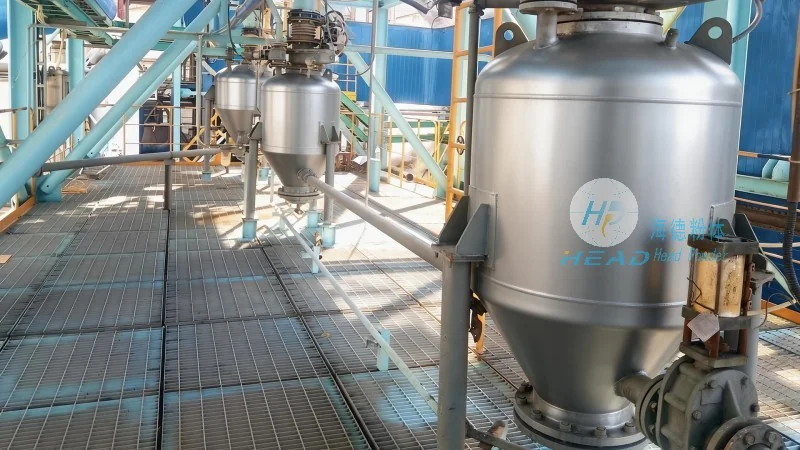
Pneumatic conveying systems, also known as air-powered systems, utilize compressed air to transport sawdust and wood flakes through a pipeline. This method is particularly advantageous for applications requiring high flexibility and the ability to move materials vertically or over long distances with minimal infrastructure. There are two main types of pneumatic conveying: positive displacement and pressure-assisted systems. Positive displacement systems use a pump to create a vacuum or pressure, drawing or pushing material through the pipeline. These systems are suitable for handling fine sawdust and wood flakes, as they can maintain a consistent flow even with varying material densities. Pressure-assisted systems, meanwhile, combine the use of a blower with a vacuum to enhance material transport, making them ideal for longer runs or when dealing with heavier wood flakes. One of the key benefits of pneumatic conveying is its ability to transport materials in a closed system, reducing dust emissions and improving workplace safety. However, it is important to consider the power requirements and maintenance needs of these systems, as they often require more energy compared to mechanical alternatives.
3. Hydraulic Conveying Systems
Hydraulic conveying systems use fluid power to transport sawdust and wood flakes, typically through a pipeline or hose. This method is less common in wood processing but can be effective in certain applications, such as moving materials in wet or slurry conditions. Hydraulic systems rely on pumps to generate pressure, which moves the material through the system. They are particularly useful when dealing with wood flakes mixed with water or other liquids, as the hydraulic fluid can help maintain the material's consistency and prevent clogging. However, hydraulic conveying requires specialized equipment and expertise, as the systems need to be properly maintained to avoid leaks or damage. Additionally, the cost of hydraulic components and the need for regular maintenance can make this method less economical for most wood processing operations.
4. Combination Conveying Systems
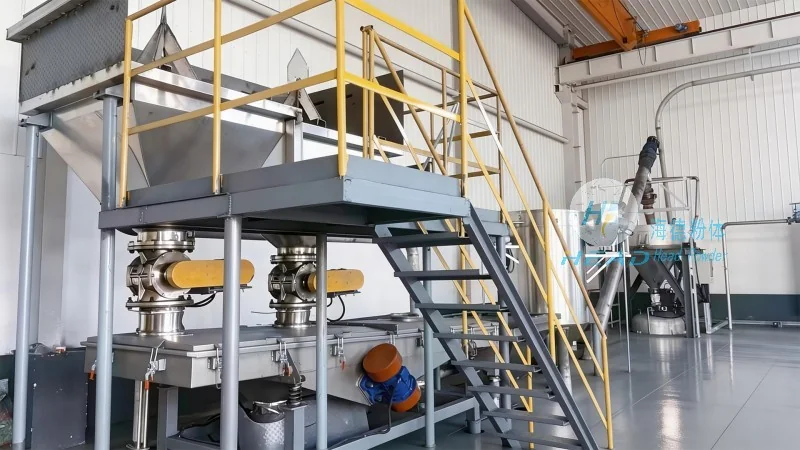
In many industrial settings, a combination of mechanical and pneumatic conveying systems is employed to address the diverse needs of sawdust and wood flakes handling. For example, a facility might use a screw conveyor to move wood flakes from a storage bin to a pneumatic system, which then transports them to a processing unit. This hybrid approach allows for the benefits of both methods to be utilized, such as the reliability of mechanical systems and the flexibility of pneumatic transport. Combination systems are particularly effective in large-scale wood processing plants where materials need to be moved over varying distances and through different stages of production. By integrating multiple conveying technologies, companies can optimize their workflow, reduce downtime, and improve overall efficiency.
5. Factors to Consider When Choosing a Conveying Method
When selecting a conveying method for sawdust and wood flakes, several factors must be taken into account to ensure the most effective and efficient solution. The first consideration is the material characteristics, including the size, moisture content, and density of the wood flakes. Larger or heavier flakes may require more robust mechanical systems, such as belt conveyors or bucket elevators, while fine sawdust may be better suited for pneumatic transport. The distance and direction of material transport are also critical, as horizontal or slight incline movements are often handled by mechanical systems, while vertical or long-distance transport may benefit from pneumatic or combination systems. Additionally, the desired level of dust control and workplace safety should be evaluated, as some methods, like pneumatic conveying, offer better containment of fine particles. Finally, the budget and maintenance requirements of each system must be considered, as different methods vary in cost and operational complexity. By carefully assessing these factors, businesses can choose the most appropriate conveying method that aligns with their operational goals and material handling needs.
Conclusion
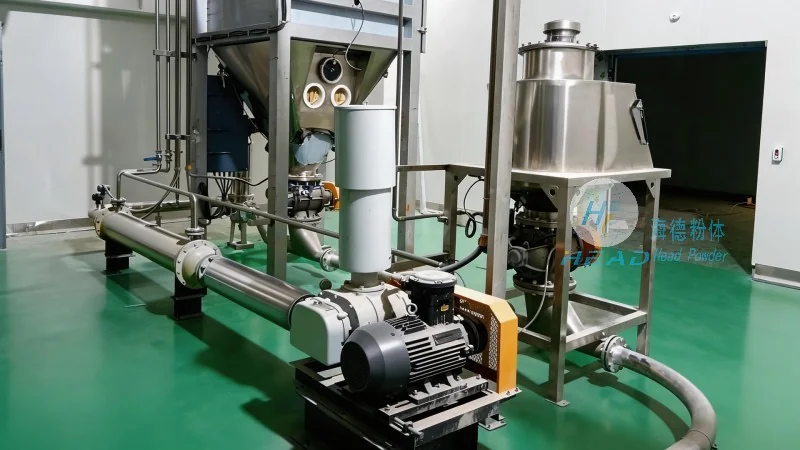
Efficient conveying of sawdust and wood flakes is essential for the smooth operation of wood processing facilities. Whether through mechanical, pneumatic, hydraulic, or combination systems, the right choice depends on the specific requirements of the application. Shandong HeadPowder Engineering Co., Ltd. offers a range of specialized conveying solutions tailored to meet the needs of various industries, ensuring reliable and effective material transport. By understanding the advantages and limitations of each method, businesses can make informed decisions that enhance productivity, reduce costs, and maintain product quality. As a trusted partner in the industry, HeadPowder continues to innovate and provide cutting-edge solutions for the ever-evolving demands of wood processing.