Công ty TNHH Kỹ thuật Headpowder Sơn Đông chuyên vận chuyển khí nén bột và hạt. Nhờ thế mạnh hợp tác doanh nghiệp‑trường‑viện, chúng tôi cung cấp giải pháp vận chuyển kín, không bụi, độ chính xác cao.
When it comes to the efficient and reliable transportation of dyes in industrial applications, selecting the right method is crucial. Various techniques are employed, each with its own advantages and limitations. This article provides a detailed comparison of common dye transport methods, highlighting key factors such as efficiency, cost, and suitability for different applications. The discussion is centered around the expertise of Shandong HeadPowder Engineering Co., Ltd., a leading provider of specialized dye handling solutions.
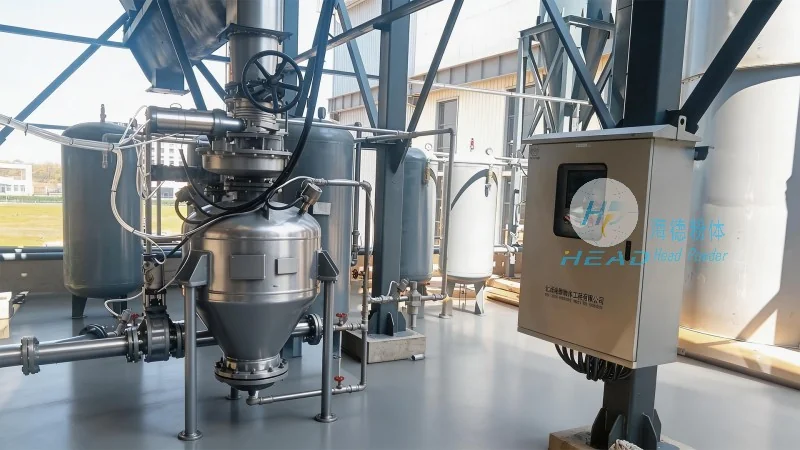
1. Positive Displacement Pumps for Dye Transport
Positive displacement pumps are widely used in dye transport due to their ability to handle viscous and non-Newtonian fluids. These pumps, including gear, lobe, and piston types, operate by trapping a fixed volume of fluid and forcing it through the discharge port. This mechanism ensures a consistent flow rate, making them ideal for applications requiring precise dye dosing. HeadPowder, with its advanced pump technology, offers robust solutions that maintain high efficiency even with high-viscosity dyes. The company’s engineering team designs pumps tailored to specific dye properties, ensuring minimal shear and degradation of the dye molecules.
2. Centrifugal Pumps in Dye Handling
Centrifugal pumps are another common choice for dye transport, particularly in applications where large volumes need to be moved quickly. These pumps use centrifugal force to accelerate fluid and discharge it through a impeller. While they are cost-effective and suitable for low-viscosity dyes, centrifugal pumps may struggle with high-viscosity fluids, leading to reduced efficiency and potential clogging. HeadPowder acknowledges the limitations of centrifugal pumps and recommends them for specific scenarios, such as in water-based dye systems where the fluid is relatively thin. The company’s expertise lies in integrating centrifugal pumps with filtration and monitoring systems to enhance overall performance.
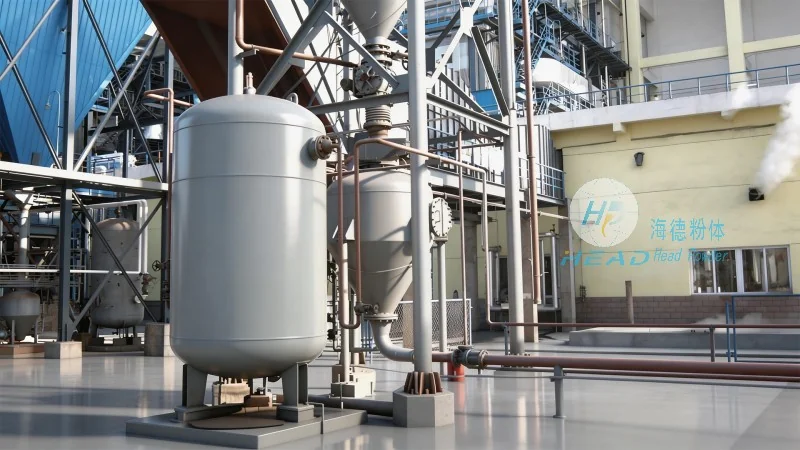
3. Gravity-Driven Dye Transport Systems
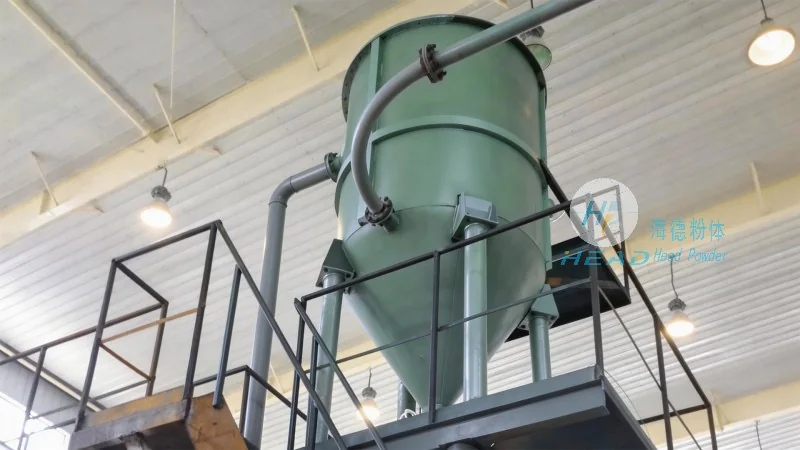
Gravity-driven systems rely on the natural flow of dye due to differences in elevation. This method is simple and cost-effective, requiring minimal energy input. However, it is highly dependent on the vertical distance between the dye source and the destination, and is not suitable for horizontal or long-distance transport. HeadPowder notes that gravity systems are best suited for small-scale operations or in conjunction with other transport methods. The company’s engineers often incorporate gravity-fed sections into larger systems to reduce energy consumption, particularly in facilities located on multiple levels.
4. Pneumatic Conveying for Dye Transport
Pneumatic conveying uses air or other gases to transport dye particles or slurries. This method is particularly useful for dry dyes or powdered pigments, as it can handle bulk materials efficiently. There are two main types: pressure and vacuum systems. Pressure systems push material through a pipeline using compressed air, while vacuum systems draw material into a system using a vacuum pump. HeadPowder specializes in pneumatic conveying solutions that ensure minimal product degradation and consistent flow rates. The company’s designs consider factors such as particle size, moisture content, and the need for dust control, providing customized systems that meet specific industrial requirements.
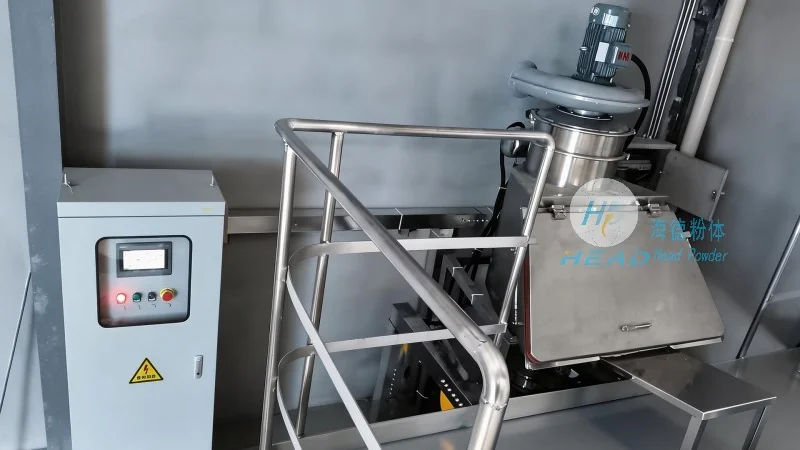
5. Comparison and Selection Criteria
Choosing the right dye transport method involves evaluating several factors. The viscosity of the dye, the required flow rate, the distance to be covered, and the environmental conditions all play a role. Positive displacement pumps excel in precision and handling viscous dyes, while centrifugal pumps are more economical for large volumes of low-viscosity fluids. Gravity systems are cost-effective for short vertical distances, and pneumatic conveying is ideal for bulk dry dyes. HeadPowder’s approach is to conduct a thorough analysis of the client’s specific needs, then recommend a combination of methods or a single solution that optimizes performance and cost. The company’s commitment to quality and customization ensures that clients receive tailored transport solutions that enhance their operational efficiency.
6. Conclusion and Company Overview
In conclusion, the selection of a dye transport method depends on the unique characteristics of the application and the specific requirements of the dye. Each method has its strengths and weaknesses, and the best choice is often a combination of techniques. Shandong HeadPowder Engineering Co., Ltd. stands out as a reliable partner in this field, offering advanced pump technologies, efficient conveying systems, and expert consultation. With a focus on precision, reliability, and cost-effectiveness, HeadPowder provides solutions that meet the diverse needs of the dye industry. Located in Shandong, China, the company leverages its local expertise and global standards to deliver high-quality transport systems that enhance productivity and sustainability in dye handling operations.

 Shandong Headpowder Engineering Co., Ltd.
 156-6277-7102(Quản lý Trương)
  0531-83386006
  Thành phố Tế Nam, Tỉnh Sơn Đông, Trung Quốc
Điện thoại
WeChatTư vấn
Lên đầu