

Comparison of Common Coke Transport Methods
When it comes to the efficient handling and transport of coke in industrial settings, selecting the right method is crucial for optimizing operations and ensuring safety. Various technologies are available, each with its own advantages and applications. This article provides a detailed comparison of common coke transport methods, focusing on their functionality, suitability for different scenarios, and key considerations for implementation.
Introduction to Coke Handling and Transport
Coke, a carbon-rich material produced from coal, is widely used in steelmaking and other industrial processes. Its handling and transport require specialized equipment to manage its bulk, weight, and potential dust emissions. The choice of transport method directly impacts productivity, operational costs, and environmental compliance. Understanding the different options helps industrial facilities make informed decisions tailored to their specific needs.
Key Factors Influencing Transport Method Selection
Several factors must be considered when choosing a coke transport system. These include the distance to be covered, the volume of coke to be moved, the environmental regulations in the area, and the existing infrastructure. The material's properties, such as its density and tendency to generate dust, also play a significant role. Additionally, the budget available for equipment and maintenance, as well as the required speed of transport, are critical considerations. By evaluating these factors, facilities can select a method that maximizes efficiency while minimizing risks.
1. Belt Conveyor Systems for Coke Transport
Belt conveyors are one of the most common and versatile methods for coke transport. They consist of a continuous belt that moves the material from the source to the destination. This system is ideal for long distances and high-volume transport, making it suitable for large-scale industrial operations. The belt can be made of various materials, including rubber or PVC, to withstand the abrasive nature of coke. Belt conveyors are generally low-maintenance and can operate continuously, providing a reliable solution for steady production flows. They are also relatively easy to install and integrate with existing systems, reducing downtime during setup.
2. Pneumatic (Air) Conveying Systems
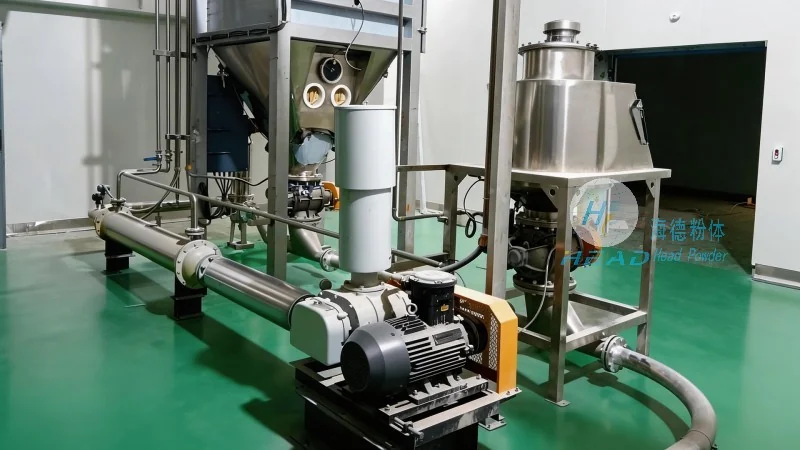
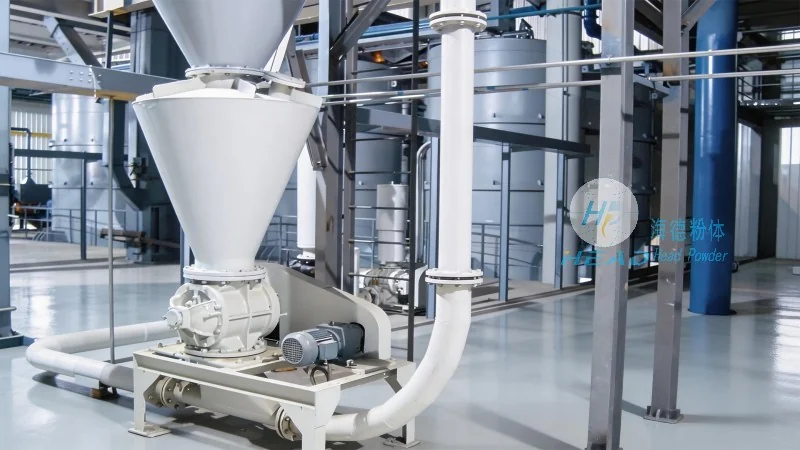
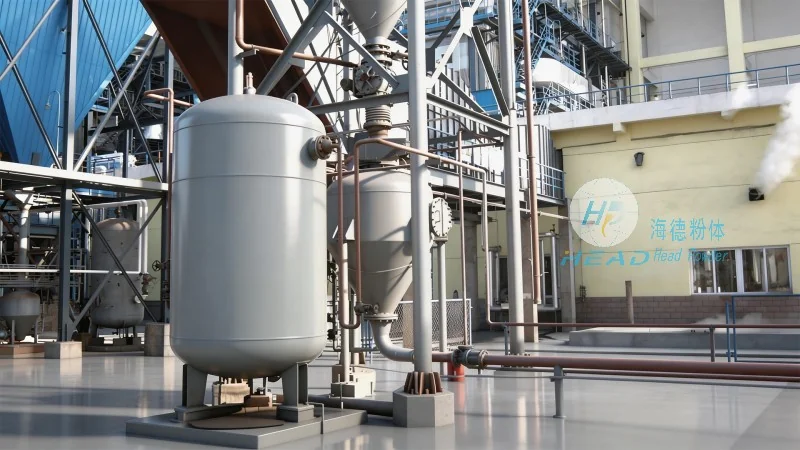
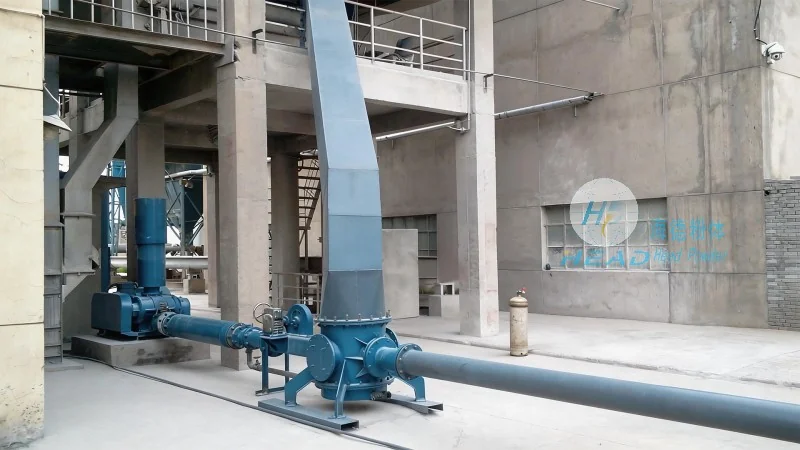
Pneumatic conveying, or air transport, uses compressed air to move coke particles through a pipeline. This method is particularly effective for transporting fine or dusty coke, as it can handle materials that are difficult to move with mechanical systems. The system typically involves a hopper where coke is loaded, a compressor that generates the air pressure, and a pipeline that carries the material to the discharge point. Pneumatic systems are often used for shorter distances and when the material needs to be transported in a controlled environment, such as to prevent dust dispersion. They are advantageous for applications requiring precise control over the material flow and for situations where the transport path is limited by space constraints.
3. Screw Conveyors for Bulk Material Handling
Screw conveyors, also known as auger conveyors, use a rotating screw to move coke along a trough. This method is suitable for horizontal or slightly inclined transport and is effective for moving smaller volumes of material. Screw conveyors are particularly useful when the transport distance is short and the material needs to be elevated or moved vertically. They are relatively simple in design and can be easily adjusted to handle different particle sizes. However, they may not be as efficient for long distances or high-volume transport compared to belt conveyors. The system is also susceptible to clogging if the coke contains large or irregularly shaped particles, requiring regular maintenance to ensure smooth operation.
4. Bucket Elevators for Vertical Transport
Bucket elevators are specialized equipment designed for vertical transport of coke. They consist of a continuous chain with buckets attached, which move the material up or down a vertical shaft. This method is ideal for transporting coke over significant vertical distances, such as from a storage silo to a processing plant. Bucket elevators are highly efficient for vertical movement and can handle large volumes of material with minimal space requirements. They are often used in combination with other transport systems to form a complete handling solution. The system is robust and can operate continuously, providing a reliable means of moving coke to elevated locations. However, they require careful installation to ensure proper alignment and may need more maintenance than horizontal conveyors due to the mechanical stress on the vertical components.
5. Hydraulic Conveying Systems
Hydraulic conveying systems use water or a slurry to transport coke particles. This method is particularly effective for handling wet or sticky coke, as the liquid helps to move the material through the pipeline. The system involves a pump that circulates the slurry, a hopper for loading the coke, and a pipeline that transports the mixture to the discharge point. Hydraulic conveying is often used in applications where the coke needs to be mixed with water for processing or where dust control is a priority. It is advantageous for transporting material over long distances and for handling materials that are difficult to move with dry systems. However, the system requires additional equipment for water management and may have higher operational costs due to the energy consumption of the pump and the need for filtration.
Company Profile: Shandong HeadPowder Engineering Co., Ltd.
Shandong HeadPowder Engineering Co., Ltd., operating under the brand name HeadPowder, is a leading provider of specialized equipment and solutions for coke handling and transport. With a focus on innovation and customer satisfaction, the company offers a range of products tailored to the unique needs of industrial facilities. HeadPowder's expertise lies in designing and manufacturing high-quality transport systems that enhance operational efficiency and ensure compliance with industry standards. The company's commitment to quality and reliability has made it a trusted partner for businesses in the steel and related industries.
Conclusion: Choosing the Right Coke Transport Method
Selecting the appropriate coke transport method is a critical decision that impacts the overall performance and sustainability of industrial operations. By considering factors such as distance, volume, material properties, and budget, facilities can choose a system that meets their specific requirements. Whether using belt conveyors for long-distance transport, pneumatic systems for dust control, or screw conveyors for short distances, the right choice ensures efficient handling and minimal downtime. With the expertise of companies like Shandong HeadPowder Engineering Co., Ltd., industrial facilities can access reliable solutions that optimize their coke transport processes and contribute to their long-term success.