Công ty TNHH Kỹ thuật Headpowder Sơn Đông chuyên vận chuyển khí nén bột và hạt. Nhờ thế mạnh hợp tác doanh nghiệp‑trường‑viện, chúng tôi cung cấp giải pháp vận chuyển kín, không bụi, độ chính xác cao.
When it comes to handling mica powder in industrial applications, selecting the right conveying method is crucial for efficiency, cost-effectiveness, and product integrity. Mica powder, known for its unique properties such as high thermal stability and electrical insulation, requires specialized equipment to ensure safe and reliable transport. This article provides a detailed comparison of common mica powder conveying methods, highlighting their advantages, limitations, and suitability for different industrial scenarios.
Overview of Mica Powder Conveying Methods
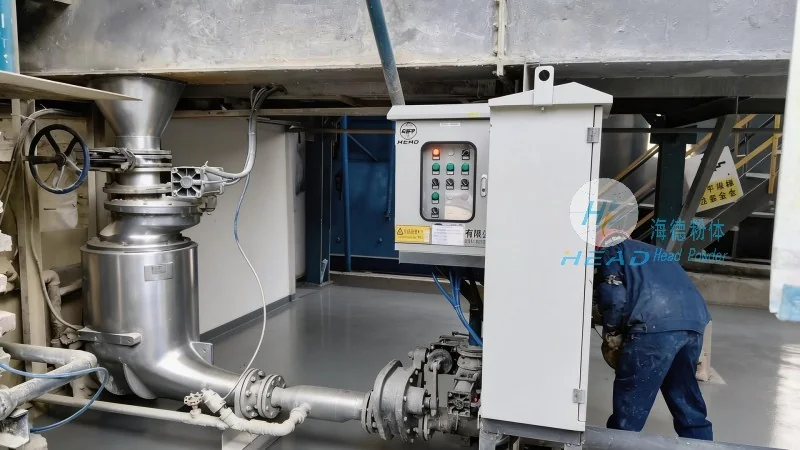
Mica powder, a versatile mineral with applications in cosmetics, electronics, and construction, is often handled in bulk quantities. The choice of conveying method depends on factors like material characteristics, plant layout, and operational requirements. Common methods include pneumatic conveying, screw conveyors, and pipeline systems. Each method has distinct features that make it suitable for specific applications.
Pneumatic Conveying Systems
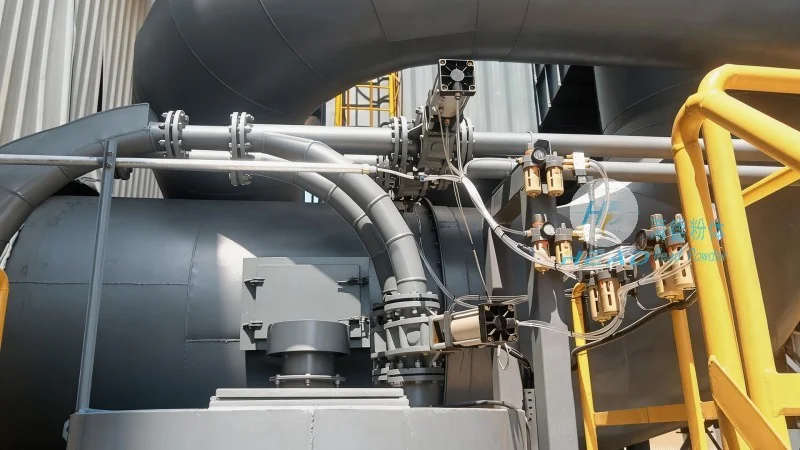
Pneumatic conveying, also known as air-powered transport, is a widely used method for mica powder handling. This system uses compressed air to move the powder through a pipeline. There are two main types: pressure and vacuum systems. Pressure systems push the material forward using positive pressure, while vacuum systems pull the material using negative pressure. For mica powder, pressure systems are often preferred due to their ability to handle fine powders without clogging. The key components of a pneumatic conveying system include a hopper, feeder, air compressor, and pipeline. The system's design must consider the powder's density and flowability to prevent blockages and ensure consistent flow. Advantages of pneumatic conveying include high efficiency, low maintenance, and the ability to transport materials over long distances. However, it may require higher energy consumption and careful control of air pressure to maintain product quality.
Screw Conveyors for Mica Powder

Screw conveyors, also known as auger conveyors, are another common method for transporting mica powder. These systems use a rotating screw (auger) to move the material along a trough. Screw conveyors are particularly effective for handling dry, free-flowing powders like mica. They are simple in design, requiring minimal maintenance, and can be installed horizontally or at an angle. The screw's speed and pitch can be adjusted to control the flow rate and prevent material degradation. Screw conveyors are suitable for short to medium distances and are often used in processing plants where the material needs to be moved from one processing stage to another. One of the main advantages is their ability to handle a wide range of particle sizes without the need for additional equipment. However, they may not be as efficient for very fine powders or materials with high moisture content, as this can lead to clogging and reduced performance.
Pipeline Conveying Systems
Pipeline conveying, also called dense-phase or slurry transport, is a method that combines mica powder with a carrier fluid, typically water or air, to form a slurry. This slurry is then pumped through a pipeline to the destination. This method is particularly useful for transporting mica powder over long distances or in areas with complex layouts. The carrier fluid helps to maintain the flow and prevent clogging, making it suitable for fine powders that are prone to settling. The system includes a slurry pump, pipeline, and possibly a de-watering unit at the end. The main advantage of pipeline conveying is its high capacity and ability to handle large volumes of material. However, it requires additional equipment for fluid management and may increase the risk of contamination if the carrier fluid is not properly controlled. This method is often used in large-scale industrial operations where bulk transport is essential.
Factors to Consider When Choosing a Conveying Method
When selecting a mica powder conveying method, several factors must be considered to ensure optimal performance. First, the physical properties of the mica powder, such as particle size, moisture content, and flowability, play a critical role. Fine powders may require pneumatic or pipeline systems to prevent clogging, while larger particles might be better suited for screw conveyors. Second, the distance and layout of the plant are important. Short distances may allow for screw conveyors, while long distances or complex layouts may necessitate pneumatic or pipeline systems. Third, operational costs, including energy consumption and maintenance, should be evaluated. Pneumatic systems may have higher energy costs but lower maintenance, while screw conveyors are often more cost-effective in the long run. Finally, the need for product integrity and contamination control is a key consideration. Some methods, like pneumatic conveying, may introduce air into the material, which could affect its properties, while others, like screw conveyors, are more enclosed and reduce exposure to contaminants.
Conclusion
In conclusion, the choice of mica powder conveying method depends on a variety of factors, including material characteristics, operational requirements, and cost considerations. Pneumatic conveying offers high efficiency and flexibility, screw conveyors provide simplicity and reliability, and pipeline conveying supports large-scale, long-distance transport. By carefully evaluating these factors, industrial operators can select the most appropriate conveying method to ensure safe, efficient, and cost-effective handling of mica powder. For more information on mica powder handling solutions, contact Shandong HeadPowder Engineering Co., Ltd., a leading provider of specialized equipment and services for the mineral processing industry.

 Shandong Headpowder Engineering Co., Ltd.
 156-6277-7102(Quản lý Trương)
  0531-83386006
  Thành phố Tế Nam, Tỉnh Sơn Đông, Trung Quốc
Điện thoại
WeChatTư vấn
Lên đầu