Công ty TNHH Kỹ thuật Headpowder Sơn Đông chuyên vận chuyển khí nén bột và hạt. Nhờ thế mạnh hợp tác doanh nghiệp‑trường‑viện, chúng tôi cung cấp giải pháp vận chuyển kín, không bụi, độ chính xác cao.
Calcined sand, a critical material in various industrial applications, requires efficient and reliable conveying systems to ensure smooth production processes. The choice of conveying method significantly impacts operational efficiency, material handling costs, and overall system performance. This article provides a detailed comparison of common calcined sand conveying methods, highlighting their advantages, limitations, and suitability for different industrial scenarios.
About Shandong HeadPowder Engineering Co., Ltd.
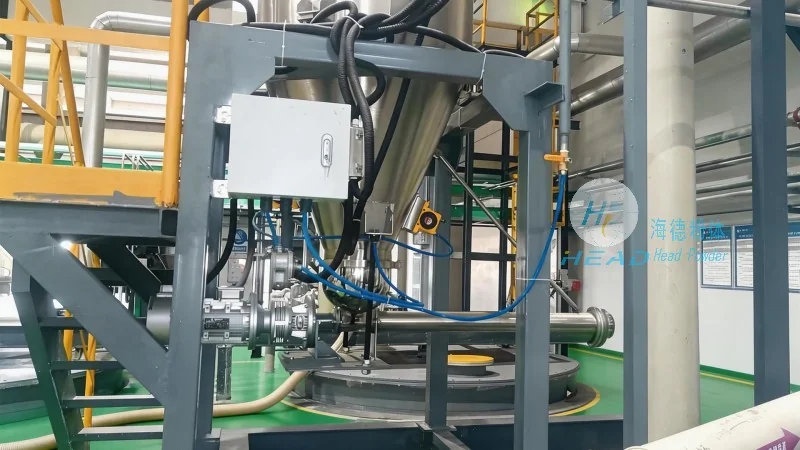
Shandong HeadPowder Engineering Co., Ltd., commonly known as HeadPowder, is a leading provider of specialized material handling solutions. With a focus on innovation and customer-centric approaches, HeadPowder offers tailored conveying systems that meet the unique demands of industrial clients. The company’s expertise in calcined sand processing and material handling technologies positions it as a trusted partner for businesses seeking efficient and reliable solutions.
1. Belt Conveyors for Calcined Sand
Belt conveyors are one of the most widely used methods for transporting calcined sand due to their versatility and cost-effectiveness. These systems utilize a continuous belt to move material from one point to another, making them suitable for both short and long-distance conveying. The design of belt conveyors can be customized to handle varying loads and material characteristics, ensuring stable and efficient operation. Key advantages include low maintenance requirements, high throughput capacity, and the ability to transport materials over inclined or horizontal distances. However, belt conveyors may face challenges with abrasive materials like calcined sand, which can cause wear and tear on the belt and pulleys over time. Proper material selection and regular maintenance are essential to mitigate these issues and maintain optimal performance.
2. Screw Conveyors for Calcined Sand
Screw conveyors, also known as auger conveyors, are another popular option for calcined sand handling. These systems consist of a rotating screw (auger) enclosed in a trough, which moves material along the length of the conveyor. Screw conveyors are particularly effective for handling bulk materials in a controlled manner, making them ideal for applications where precise material flow is required. They are often used in vertical or inclined configurations to elevate calcined sand to higher levels or transport it over vertical distances. The main advantages of screw conveyors include their compact design, low space requirements, and the ability to handle materials with high moisture content or sticky properties. However, screw conveyors may experience higher power consumption compared to other methods, and they are less suitable for very abrasive or large-sized materials. Proper design and material selection for the screw and trough are crucial to ensure long-term reliability.
3. Pneumatic Conveying Systems for Calcined Sand
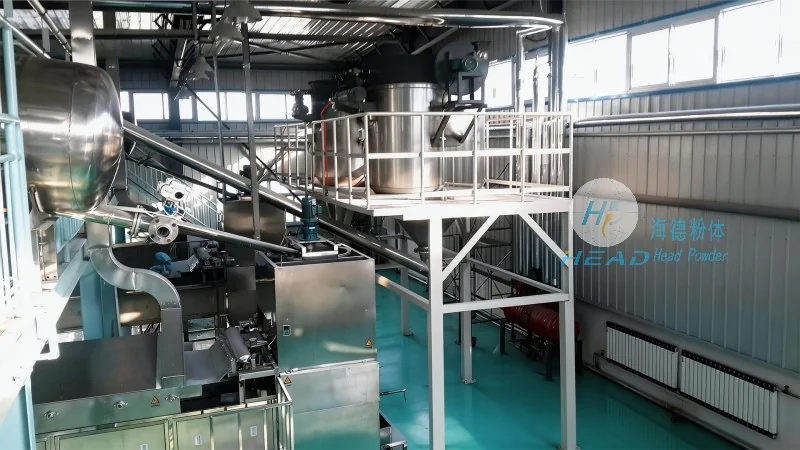
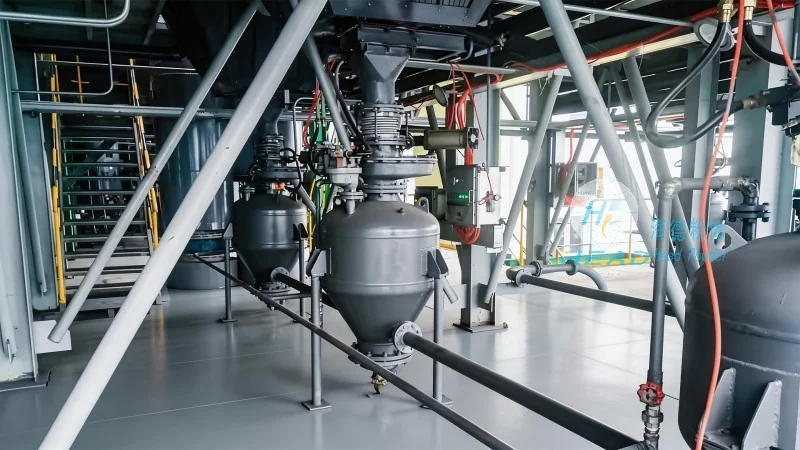
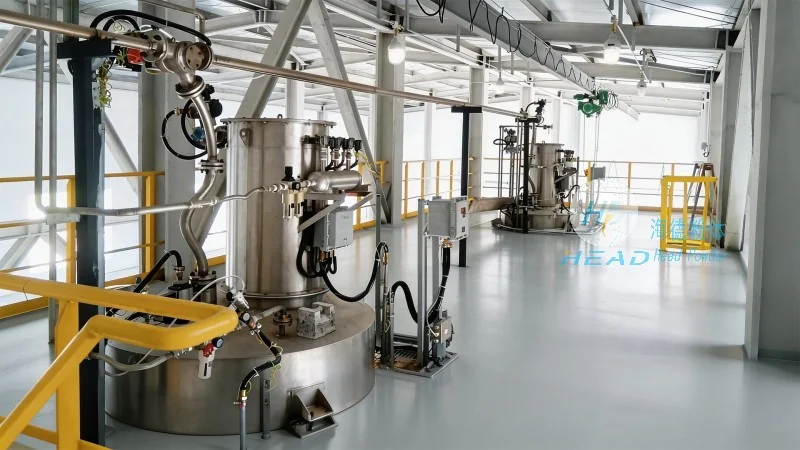
Pneumatic conveying systems use air or other gases to transport calcined sand through a pipeline network. These systems are highly flexible and can be configured for both low and high-pressure applications. Pneumatic conveyors are particularly advantageous for applications requiring dust-free or enclosed material transport, as they minimize exposure to airborne particles. They are also suitable for long-distance conveying and can handle materials with varying particle sizes and moisture levels. The primary benefits of pneumatic conveying include the ability to transport materials in a closed system, reducing environmental impact and improving safety. However, pneumatic systems may have higher energy consumption compared to mechanical conveyors, and they require careful design to prevent material buildup and ensure consistent flow. Proper air pressure control and filter maintenance are essential to maintain system efficiency.
4. Bucket Elevators for Calcined Sand
Bucket elevators are vertical conveying systems that use a series of buckets attached to a chain or belt to lift calcined sand from a lower to a higher level. These systems are highly efficient for vertical material handling and are commonly used in industries where elevation changes are necessary. Bucket elevators can handle large volumes of material with high throughput rates, making them suitable for high-production environments. The main advantages include their ability to transport materials vertically over significant heights, compact design, and low floor space requirements. However, bucket elevators may have higher initial costs compared to other methods and require regular inspection to ensure bucket integrity and chain or belt condition. Proper load balancing and material feeding are critical to prevent system overload and ensure smooth operation.
Conclusion and HeadPowder's Expertise
Choosing the right calcined sand conveying method depends on several factors, including material characteristics, conveying distance, system layout, and operational requirements. Each method has its own set of advantages and limitations, and the optimal solution often involves a combination of factors. Shandong HeadPowder Engineering Co., Ltd. specializes in designing and implementing customized conveying systems that address the specific needs of industrial clients. By leveraging their expertise in material handling technologies, HeadPowder provides tailored solutions that enhance operational efficiency, reduce costs, and improve overall system performance. Whether you need a belt conveyor, screw conveyor, pneumatic system, or bucket elevator, HeadPowder offers comprehensive support from design and installation to maintenance and troubleshooting. With a commitment to quality and customer satisfaction, HeadPowder is a reliable partner for businesses seeking efficient and reliable calcined sand conveying solutions.

 Shandong Headpowder Engineering Co., Ltd.
 156-6277-7102(Quản lý Trương)
  0531-83386006
  Thành phố Tế Nam, Tỉnh Sơn Đông, Trung Quốc
Điện thoại
WeChatTư vấn
Lên đầu