

[CMPRNSNFCMPNGLSPTCL]
For industrial applications involving glass particle handling, selecting the right conveying method is crucial for efficiency, cost-effectiveness, and operational safety. This article provides a detailed comparison of common glass particle conveying methods, highlighting their advantages, limitations, and suitability for various industrial scenarios. The information is presented by Shandong HeadPowder Engineering Co., Ltd., a leading provider of material handling solutions based in China.
Introduction to Glass Particle Conveying
Glass particles, whether in the form of raw materials, finished products, or waste, require specialized handling due to their unique properties such as brittleness, abrasiveness, and potential for dust generation. Conveying systems must be designed to minimize breakage, prevent contamination, and ensure smooth material flow. The choice of conveying method depends on factors like particle size, moisture content, production volume, and the distance over which materials need to be transported. Understanding the different options available helps industries optimize their operations and maintain product quality.
1. Pneumatic Conveying Systems
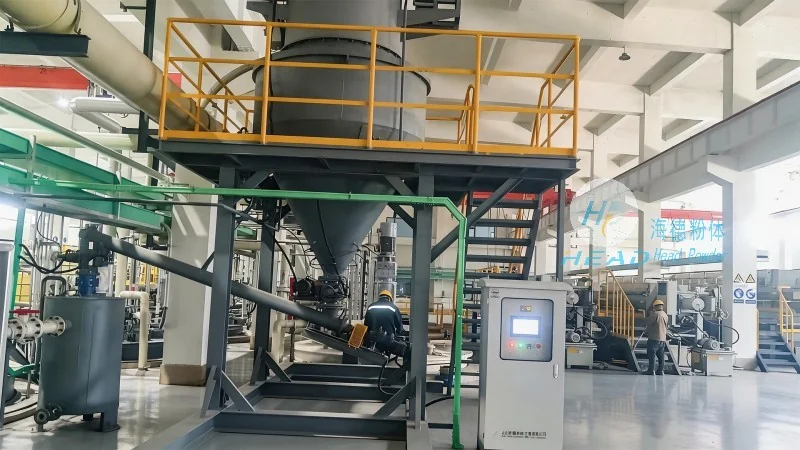
Pneumatic conveying, also known as air conveying, is a widely used method for transporting glass particles due to its ability to handle fine powders and granules efficiently. This system uses compressed air or gas to move materials through a pipeline. There are two main types: pressure and vacuum systems. Pressure systems are suitable for short to medium distances and high-volume applications, while vacuum systems are ideal for long-distance or low-volume transport. The primary advantage of pneumatic conveying is its ability to transport materials without mechanical contact, reducing the risk of contamination and particle damage. However, it requires significant energy input and may not be suitable for very abrasive or large glass particles.
2. Screw Conveyors
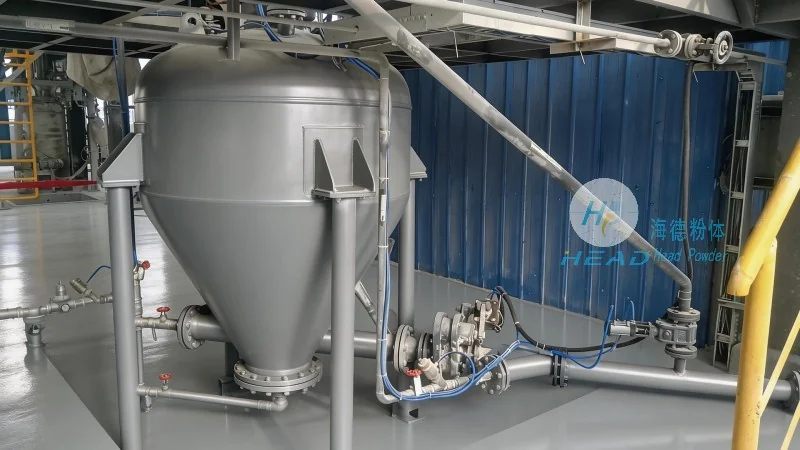
Screw conveyors, also called auger conveyors, are mechanical devices that use a rotating screw to move glass particles along a trough. They are suitable for horizontal or slightly inclined transport and are commonly used in applications where materials need to be elevated or moved over short to medium distances. Screw conveyors are relatively simple in design, easy to install, and can handle a wide range of particle sizes. They are particularly effective for dry, free-flowing glass particles and can be equipped with variable speed drives to adjust the flow rate. The main drawback is that they may cause some particle breakage, especially for brittle glass, and are not suitable for very fine powders that could clog the screw.
3. Belt Conveyors
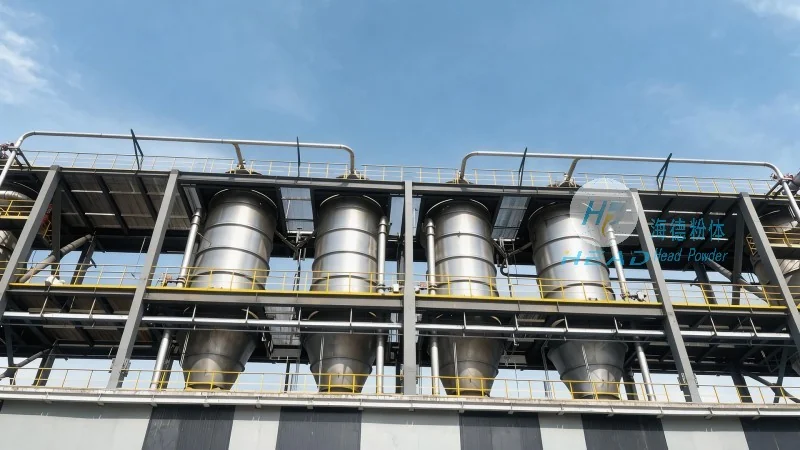
Belt conveyors are another common option for glass particle transport, especially for bulk materials over longer distances. They consist of a continuous belt that moves over rollers or pulleys, transporting materials from one point to another. Belt conveyors are highly efficient for high-volume applications and can handle a wide variety of particle sizes and shapes. They are suitable for both horizontal and inclined transport and can be designed with multiple lanes to increase capacity. The key advantage is their ability to transport materials over long distances with minimal maintenance. However, they require regular cleaning to prevent dust accumulation and may not be suitable for very fine or abrasive glass particles that could wear out the belt.
4. Bucket Elevators
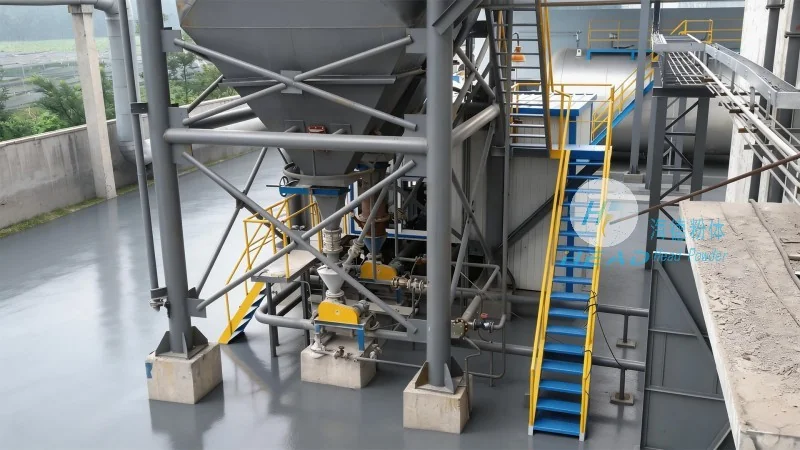
Bucket elevators are vertical or inclined conveyors that use a chain with attached buckets to lift glass particles. They are ideal for vertical transport or steep inclines and are commonly used in applications where materials need to be elevated to a significant height. Bucket elevators are capable of handling large volumes of glass particles and can transport materials over long vertical distances. The main advantage is their high capacity and ability to handle abrasive materials without significant wear. However, they require more maintenance than other systems and may not be suitable for very fine powders that could get stuck in the buckets.
5. Vibrating Conveyors
Vibrating conveyors use vibration to move glass particles along a trough. The system consists of a conveyor bed that vibrates at a specific frequency, causing the particles to move forward. This method is suitable for handling sticky or cohesive glass particles and can be used for both horizontal and inclined transport. Vibrating conveyors are relatively low-cost and easy to maintain, making them a popular choice for many industrial applications. However, they may not be as efficient for high-volume or very fine glass particles and can cause some particle breakage.
Conclusion and Recommendations
Choosing the right glass particle conveying method depends on several factors, including the specific characteristics of the glass particles, the distance and direction of transport, and the production requirements. Pneumatic conveying is ideal for fine powders and short to medium distances, while screw conveyors are suitable for dry granules and horizontal transport. Belt conveyors are best for bulk materials over long distances, and bucket elevators are perfect for vertical transport. Vibrating conveyors are a good option for sticky materials. Shandong HeadPowder Engineering Co., Ltd. offers a range of conveying solutions tailored to meet the unique needs of each industrial application, ensuring optimal performance and efficiency.