Công ty TNHH Kỹ thuật Headpowder Sơn Đông chuyên vận chuyển khí nén bột và hạt. Nhờ thế mạnh hợp tác doanh nghiệp‑trường‑viện, chúng tôi cung cấp giải pháp vận chuyển kín, không bụi, độ chính xác cao.
HeadPowder, or Shandong HeadPowder Engineering Co., Ltd., is a professional manufacturer and supplier based in Shandong, China. The company specializes in the production and application of heavy calcium carbonate (CaCO₃) products, offering a range of solutions for industrial applications. With a focus on quality and efficiency, HeadPowder provides comprehensive services tailored to the needs of various industries.
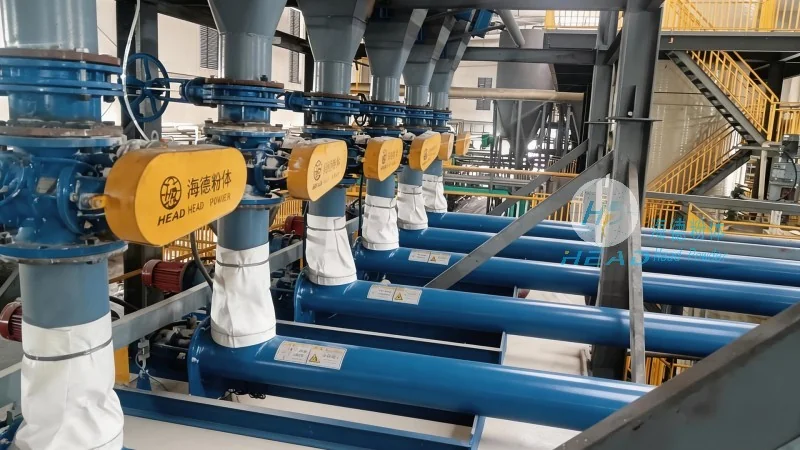
Importance of Efficient Heavy Calcium Carbonate Conveying
Heavy calcium carbonate, a widely used filler and pigment in industries such as plastics, paper, and coatings, requires reliable and efficient conveying methods to ensure smooth production processes. The choice of conveying system directly impacts production efficiency, material quality, and operational costs. Understanding the advantages and disadvantages of different conveying methods is crucial for selecting the most suitable solution for specific applications.
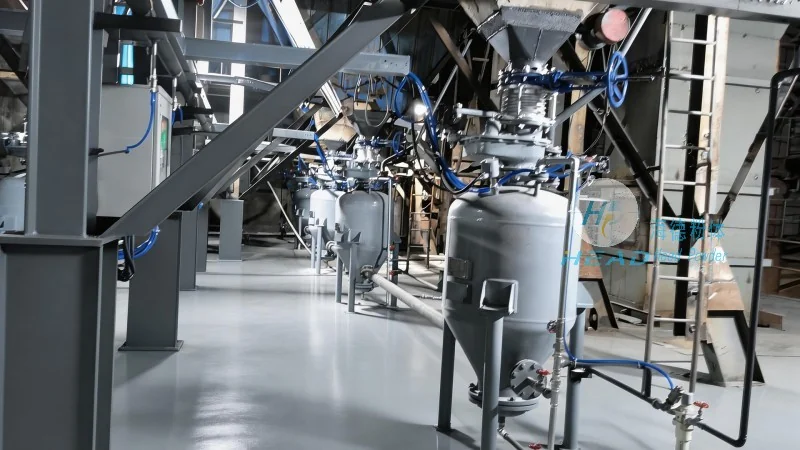
Common Heavy Calcium Carbonate Conveying Methods
Several methods are commonly used for transporting heavy calcium carbonate, each with its own set of characteristics and applications. The primary options include screw conveyors, pneumatic conveying systems, and pump-based solutions. Each method has distinct advantages and limitations that must be considered when choosing the appropriate system for a particular industrial setup.
Screw Conveyors: Advantages and Limitations
Screw conveyors are one of the most traditional and widely used methods for transporting bulk materials, including heavy calcium carbonate. These systems consist of a rotating screw (auger) enclosed in a trough, which moves material along the length of the conveyor. The main advantages of screw conveyors include their simplicity, low cost, and ability to handle a wide range of materials. They are particularly effective for horizontal or slightly inclined transport and can be easily integrated into existing production lines. However, screw conveyors have several limitations. They are not suitable for vertical transport due to the risk of material buildup and blockage. Additionally, they may not be efficient for long-distance transport, as the friction and material resistance can lead to increased energy consumption. Another drawback is the potential for material degradation or contamination if the screw and trough are not properly maintained. For heavy calcium carbonate, which is often a fine powder, the risk of clogging is higher, requiring regular cleaning and maintenance to ensure consistent performance.
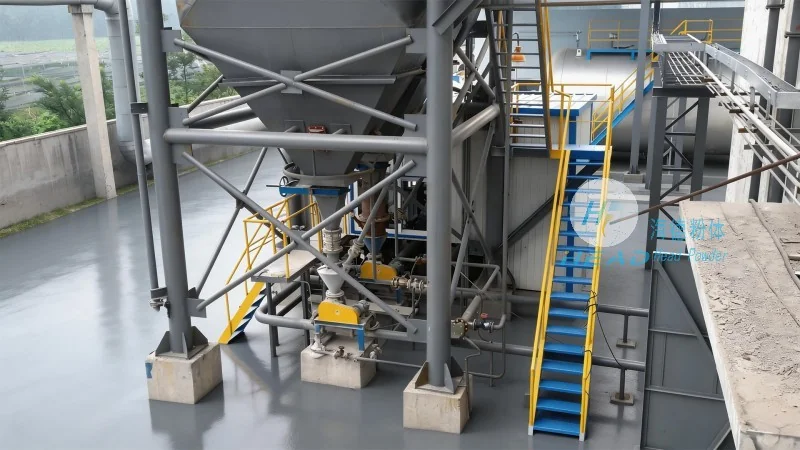
Pneumatic Conveying Systems: Advantages and Limitations
Pneumatic conveying systems use air or other gases to transport bulk materials through a pipeline. These systems are particularly effective for transporting heavy calcium carbonate over long distances and can handle both horizontal and vertical transport. The main advantages of pneumatic conveying include high efficiency, minimal material degradation, and the ability to transport materials in a closed system, reducing dust and environmental contamination. This method is ideal for applications requiring precise control over material flow and for industries where dust control is a priority. However, pneumatic conveying systems have significant limitations. They are generally more expensive to install and maintain compared to other methods. The energy consumption is higher due to the need to generate and maintain air pressure. Additionally, the system requires careful design to prevent material separation or segregation, which can affect the quality of the transported material. For heavy calcium carbonate, which is a fine powder, the risk of particle separation during transport can lead to inconsistent product quality. Proper system design, including the use of appropriate duct sizes and air velocities, is essential to mitigate these issues.
Pump-Based Solutions: Advantages and Limitations
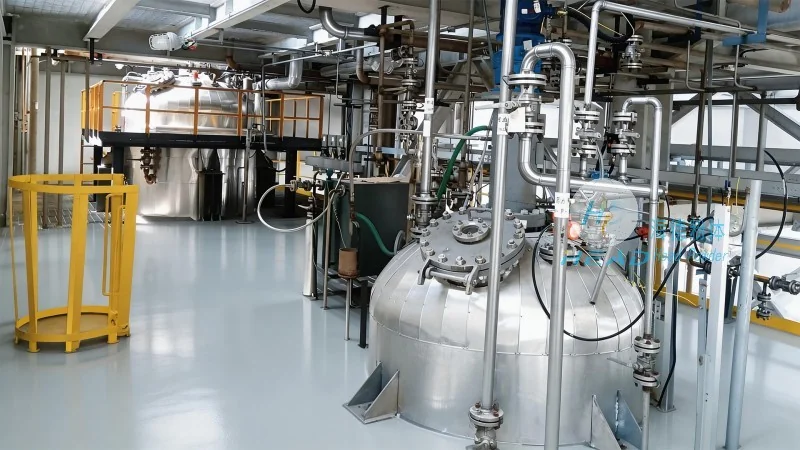
Pump-based solutions, such as slurry pumps or hydraulic systems, are used for transporting heavy calcium carbonate in a slurry form. These systems are particularly effective for applications where the material is mixed with water or other liquids to create a pumpable slurry. The main advantages of pump-based solutions include high capacity and the ability to handle high-viscosity materials. They are suitable for long-distance transport and can be integrated with existing water treatment or processing systems. However, pump-based solutions have several limitations. The material must be in a slurry form, which may require additional processing steps, such as wet grinding or mixing, to achieve the desired consistency. This can increase production costs and complexity. Additionally, the system is prone to clogging and wear due to the abrasive nature of heavy calcium carbonate. Regular maintenance and the use of wear-resistant materials are necessary to ensure the longevity of the pumps and other components. For industries that require dry material transport, pump-based solutions are not suitable, as they would need to be converted to a slurry, which may not be feasible or cost-effective.
Choosing the Right Conveying Method for Heavy Calcium Carbonate
When selecting a conveying method for heavy calcium carbonate, several factors must be considered to ensure optimal performance and cost-effectiveness. The primary factors include the distance and direction of transport (horizontal, vertical, or both), the required material flow rate, the material characteristics (such as particle size, moisture content, and abrasiveness), and the budget constraints. For short horizontal distances, screw conveyors may be the most cost-effective solution. For long-distance or vertical transport, pneumatic conveying systems offer higher efficiency and better material control. Pump-based solutions are suitable for applications where the material is already in a slurry form or where high capacity is required. It is also important to consider the environmental and safety aspects, such as dust control and material containment, especially in industries where air quality regulations are strict. HeadPowder, with its expertise in heavy calcium carbonate products, provides comprehensive guidance and customized solutions to help clients choose the most appropriate conveying method for their specific needs. By understanding the advantages and disadvantages of each method, industries can optimize their production processes, reduce operational costs, and ensure consistent product quality.

 Shandong Headpowder Engineering Co., Ltd.
 156-6277-7102(Quản lý Trương)
  0531-83386006
  Thành phố Tế Nam, Tỉnh Sơn Đông, Trung Quốc
Điện thoại
WeChatTư vấn
Lên đầu