Công ty TNHH Kỹ thuật Headpowder Sơn Đông chuyên vận chuyển khí nén bột và hạt. Nhờ thế mạnh hợp tác doanh nghiệp‑trường‑viện, chúng tôi cung cấp giải pháp vận chuyển kín, không bụi, độ chính xác cao.
For industries dealing with metal powders, selecting the right conveying method is crucial for efficiency, cost-effectiveness, and product integrity. Metal powders are widely used in manufacturing processes, and the choice of conveying system directly impacts production flow, material handling costs, and overall operational performance. This article provides a detailed comparison of common metal powder conveying methods, highlighting their advantages and disadvantages to help manufacturers make informed decisions.
Introduction to Metal Powder Conveying Systems
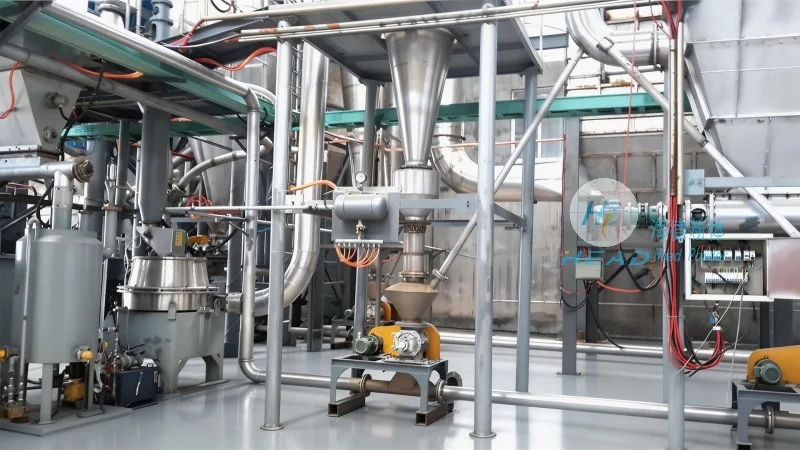
Metal powders are essential raw materials in various industries, including aerospace, automotive, and electronics. Their handling requires specialized equipment to prevent contamination, segregation, and loss. Conveying systems for metal powders must be designed to maintain particle integrity, minimize dust generation, and ensure smooth material flow. The primary goal is to move metal powders from storage to processing equipment efficiently and safely. Several methods are commonly used, each with unique characteristics that suit different applications and operational requirements.
1. Screw Conveyors (Auger Conveyors)
Screw conveyors, also known as auger conveyors, are one of the most widely used methods for metal powder handling. These systems consist of a rotating helical screw inside a tube or trough, which moves material forward through the mechanism. The design is simple, with minimal moving parts, making it reliable and easy to maintain. Screw conveyors are particularly effective for handling free-flowing metal powders, such as aluminum, copper, and stainless steel powders. They can operate in both horizontal and inclined positions, allowing for vertical lifting as well. The primary advantages of screw conveyors include their ability to handle a wide range of particle sizes, low power consumption, and compact design. However, they have limitations when dealing with cohesive or sticky powders, as these can cause blockages and reduce efficiency. Additionally, screw conveyors may not be suitable for high-volume applications or materials that require gentle handling to avoid degradation.
2. Pneumatic Conveying Systems
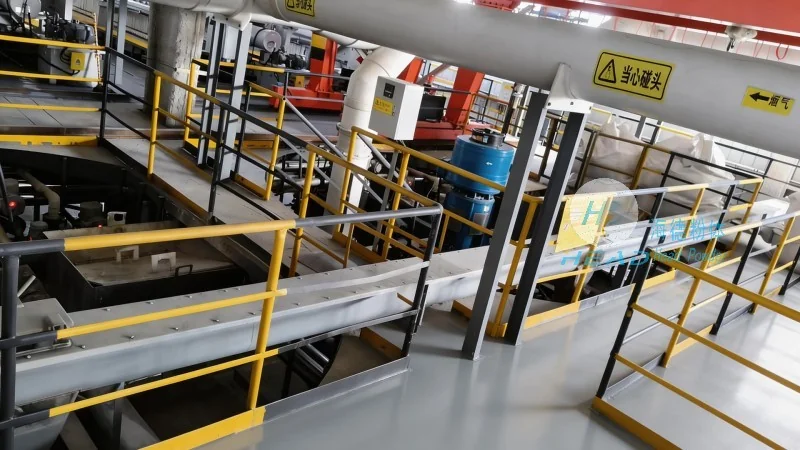
Pneumatic conveying systems use air or other gases to transport metal powders through a pipeline. This method is highly versatile and can handle a variety of powder types, including fine, abrasive, and hygroscopic powders. Pneumatic systems are categorized into two main types: pressure and vacuum. Pressure systems use compressed air to push the material forward, while vacuum systems use suction to draw the powder. The choice between the two depends on the distance, volume, and material characteristics. Pneumatic conveying offers several benefits, such as the ability to transport powders over long distances, integration with processing equipment, and reduced risk of contamination compared to mechanical systems. However, they have significant drawbacks, including higher energy consumption, potential for particle degradation due to high velocities, and the need for proper filtration to prevent dust accumulation. Additionally, the system requires regular maintenance of air filters and pressure regulators to ensure optimal performance.
3. Vibratory Conveyors
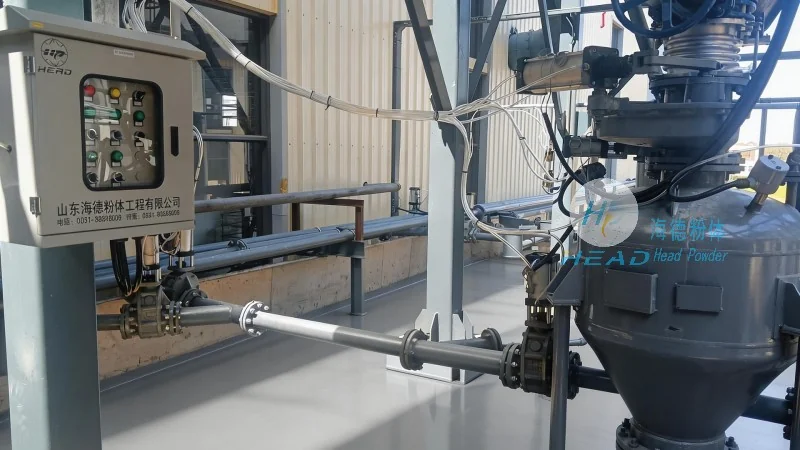
Vibratory conveyors utilize vibration to move metal powders along a trough. The system consists of a conveyor bed that is vibrated at specific frequencies and amplitudes, causing the material to move forward. This method is particularly effective for handling cohesive or sticky powders, as the vibration helps break up agglomerates and prevent blockages. Vibratory conveyors are also suitable for materials that are sensitive to impact or abrasion, as the gentle movement minimizes particle damage. The advantages of vibratory conveyors include their ability to handle a wide range of powder types, including those with high moisture content or high bulk density. They are also relatively low-cost and easy to install. However, these systems may not be efficient for high-volume applications, as the power consumption increases with the length of the conveyor. Additionally, the vibration can cause noise and may require additional isolation to reduce environmental impact.
4. Bucket Elevators
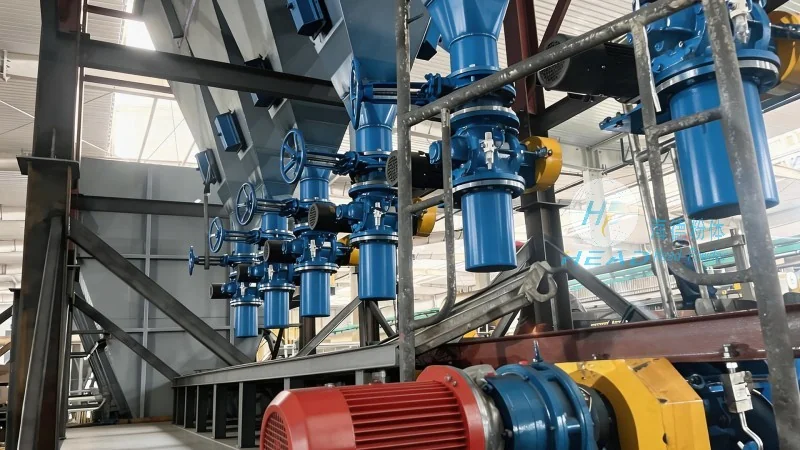
Bucket elevators are vertical conveying systems that use buckets attached to a chain or belt to transport metal powders. The buckets are filled at the bottom and lifted vertically, then emptied at the top. This method is ideal for vertical lifting of metal powders over significant heights, such as from a storage silo to a processing line. Bucket elevators are highly efficient for high-volume applications and can handle a wide range of particle sizes. They are also capable of handling abrasive or corrosive powders, as the buckets are typically made of durable materials like stainless steel or rubber. The primary advantages of bucket elevators include their high capacity, ability to handle vertical transport, and low maintenance requirements. However, they have limitations when dealing with fine powders, as the high speeds can cause particle segregation and degradation. Additionally, the system requires regular inspection of the bucket chain or belt to prevent wear and tear, and the vertical design may limit flexibility in layout.
5. Belt Conveyors
Belt conveyors use a continuous belt to transport metal powders horizontally or at a slight incline. The material is placed on the belt and moves forward due to the friction between the belt and the material. This method is commonly used in bulk material handling and is suitable for a wide range of metal powders, including those with high bulk density. Belt conveyors are known for their high capacity and ability to handle large volumes of material. They are also relatively low-cost and easy to install, making them a popular choice for many applications. The advantages of belt conveyors include their ability to transport materials over long distances, integration with other processing equipment, and low maintenance requirements. However, they have limitations when dealing with fine or cohesive powders, as these can cause the material to slip or accumulate on the belt. Additionally, the system requires regular cleaning and maintenance to prevent material buildup and ensure smooth operation.
Conclusion: Choosing the Right Conveying Method
The choice of metal powder conveying method depends on several factors, including the type of powder, application requirements, and operational constraints. Screw conveyors are ideal for free-flowing powders and horizontal transport, while pneumatic systems are suitable for long-distance and fine powders. Vibratory conveyors are best for cohesive materials, and bucket elevators are effective for vertical lifting. Belt conveyors are versatile for bulk handling. Manufacturers should consider the advantages and disadvantages of each method and select the one that best aligns with their specific needs. Proper maintenance and regular inspection are also crucial to ensure the longevity and efficiency of the conveying system. By understanding the characteristics of each method, companies can optimize their material handling processes, reduce costs, and improve overall productivity.

 Shandong Headpowder Engineering Co., Ltd.
 156-6277-7102(Quản lý Trương)
  0531-83386006
  Thành phố Tế Nam, Tỉnh Sơn Đông, Trung Quốc
Điện thoại
WeChatTư vấn
Lên đầu