Công ty TNHH Kỹ thuật Headpowder Sơn Đông chuyên vận chuyển khí nén bột và hạt. Nhờ thế mạnh hợp tác doanh nghiệp‑trường‑viện, chúng tôi cung cấp giải pháp vận chuyển kín, không bụi, độ chính xác cao.
When handling crystalline materials in industrial processes, selecting the right transport method is crucial for efficiency, product quality, and operational safety. The choice of transport system can significantly impact production throughput, material integrity, and overall process economics. This article provides a detailed comparison of common crystal transport methods, highlighting their advantages and disadvantages, to help industrial operators make informed decisions.
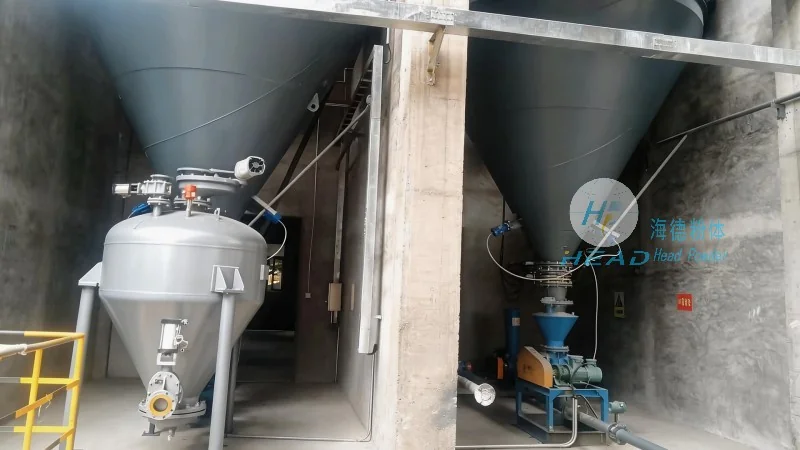
About HeadPowder Engineering
HeadPowder, a leading manufacturer based in Shandong, China, specializes in providing high-quality material handling solutions tailored to the unique needs of the chemical, pharmaceutical, and food industries. With years of experience in designing and manufacturing advanced transport systems, HeadPowder offers a range of equipment designed to optimize crystal transport processes. The company’s commitment to innovation and customer satisfaction ensures that their products meet the highest standards of performance and reliability.
Screw Conveyors for Crystal Transport
Screw conveyors are a widely used method for transporting crystalline materials due to their simplicity and versatility. These systems consist of a rotating screw (helix) inside a trough, which moves material forward through the conveyor. The primary advantages of screw conveyors include their ability to handle a wide range of particle sizes and shapes, minimal space requirements, and the ability to operate in vertical or horizontal configurations. However, screw conveyors have several limitations. They are not suitable for abrasive or highly corrosive materials, as the screw and trough can wear quickly. Additionally, they may cause product degradation due to friction and compression, which can affect the crystal's quality. For HeadPowder, screw conveyors are often recommended for non-abrasive, free-flowing crystals where space is limited and a simple, low-cost solution is required.
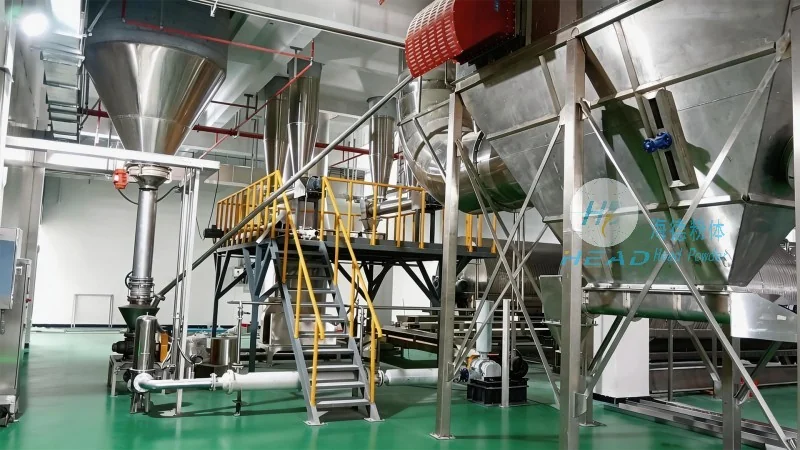
Vibrating Conveyors for Crystal Transport
Vibrating conveyors use mechanical vibrations to move crystalline materials along a trough. These systems typically consist of a trough supported by springs or other vibration mechanisms, which cause the material to move forward due to the vibration. The advantages of vibrating conveyors include their ability to handle sticky or cohesive materials, minimal product degradation, and the ability to operate in steep inclines or vertical lifts. They are also suitable for materials that are difficult to convey with traditional screw or belt systems. However, vibrating conveyors require more maintenance than other systems, as the vibration components can wear out over time. They also have higher energy consumption compared to other methods. HeadPowder's vibrating conveyor solutions are ideal for transporting sticky or cohesive crystals, such as pharmaceutical intermediates, where product integrity is critical.
Air-Supported Conveyors for Crystal Transport
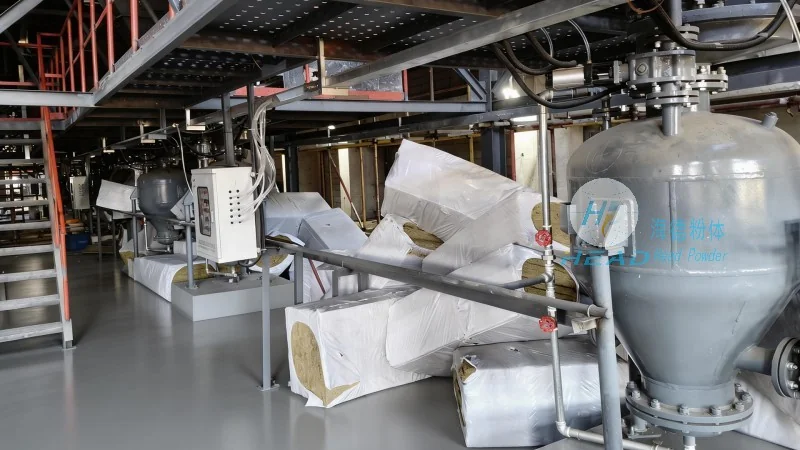
Air-supported or pneumatic conveyors use air pressure to transport crystalline materials through a pipeline. These systems are particularly effective for fine or powdery crystals, as they can handle materials with high moisture content or that are prone to caking. The main advantages of air-supported conveyors include their ability to transport materials over long distances, vertical or horizontal, with minimal product degradation. They also allow for enclosed systems, which can help control dust and maintain product purity. However, pneumatic conveyors have significant drawbacks, including high energy consumption, the need for proper filtration to prevent material buildup in the system, and the risk of material degradation due to high velocities. HeadPowder offers advanced air-supported conveyor systems that are designed to minimize energy consumption and maximize material handling efficiency, making them suitable for high-volume crystal transport applications.
Factors to Consider When Choosing a Crystal Transport Method
The choice of crystal transport method depends on several factors, including the material properties, production volume, space availability, and budget. Material properties such as particle size, shape, moisture content, and abrasiveness are critical in determining the most suitable system. For example, abrasive or corrosive crystals may require specialized materials for the conveyor components, while sticky materials may benefit from vibrating conveyors. Production volume also plays a role, as high-volume applications may require more robust systems like air-supported conveyors. Space constraints can influence the choice between horizontal and vertical configurations, with screw or vibrating conveyors often preferred in limited space. Finally, cost considerations, including initial investment and maintenance, should be evaluated to ensure the chosen system provides the best return on investment.
Conclusion
Choosing the right crystal transport method is essential for optimizing industrial processes and ensuring product quality. Each method has its own set of advantages and disadvantages, and the best choice depends on the specific application requirements. HeadPowder Engineering, with its expertise in material handling solutions, provides a range of transport systems tailored to the needs of the chemical, pharmaceutical, and food industries. By understanding the properties of the crystalline material and considering factors such as space, production volume, and cost, industrial operators can select the most appropriate transport method to enhance efficiency and productivity. Whether using screw, vibrating, or air-supported conveyors, HeadPowder's solutions are designed to meet the highest standards of performance and reliability, ensuring that crystal transport processes run smoothly and efficiently.

 Shandong Headpowder Engineering Co., Ltd.
 156-6277-7102(Quản lý Trương)
  0531-83386006
  Thành phố Tế Nam, Tỉnh Sơn Đông, Trung Quốc
Điện thoại
WeChatTư vấn
Lên đầu