

Common Industrial Alkali Transport Methods: Comparison of Advantages and Disadvantages
Industrial processes often require the efficient and safe transportation of alkaline solutions, such as sodium hydroxide or calcium hydroxide, across various stages of production. The choice of transport method significantly impacts operational efficiency, safety, and cost-effectiveness. This article provides a detailed comparison of common industrial alkali transport methods, focusing on their advantages and disadvantages to help industrial facilities make informed decisions.
1. Pneumatic Conveying Systems
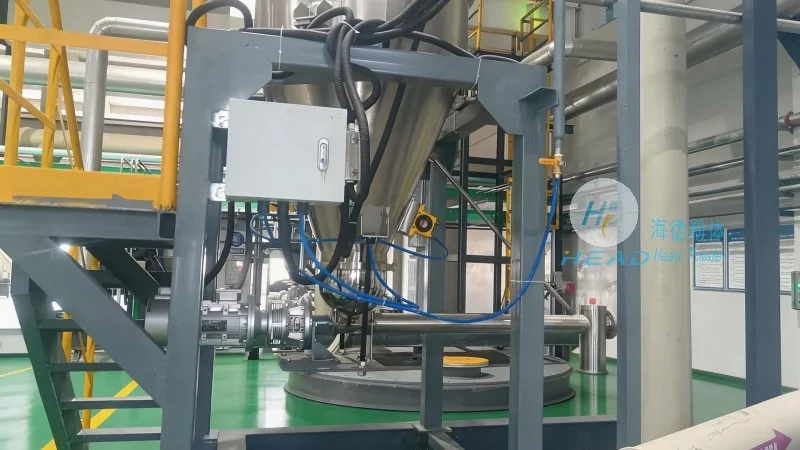
Pneumatic conveying systems utilize air or other gases to transport powders or slurries. For alkaline materials, this method is particularly effective when dealing with dry powders or fine slurries. The primary advantage of pneumatic conveying is its ability to transport materials over long distances without the need for complex piping. It also offers a relatively low initial cost and can be easily integrated into existing production lines. However, the system's performance is highly dependent on the material's flow properties and the air pressure used. High-pressure systems may require more energy, and the risk of dust explosion in certain environments necessitates proper explosion-proof measures. Additionally, the system may not be suitable for transporting highly viscous or abrasive alkaline slurries, as this can lead to increased wear on components and reduced efficiency.
2. Hydraulic Slurry Pumps
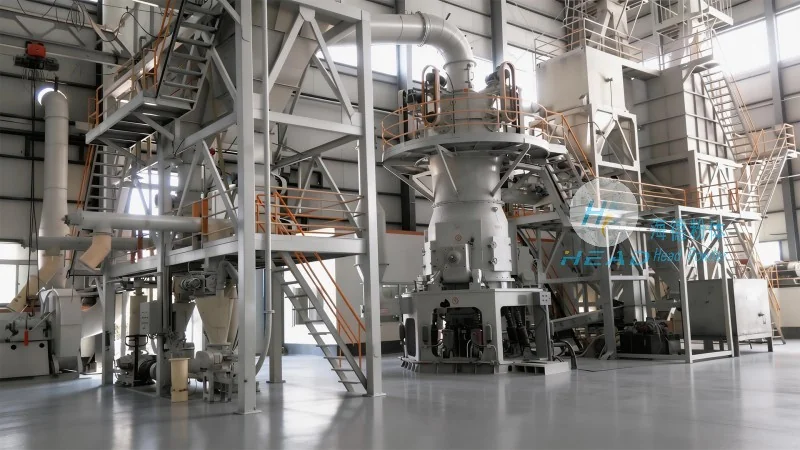
Hydraulic slurry pumps are widely used for transporting alkaline slurries, especially in applications involving high concentrations of solids. These pumps are capable of handling abrasive and corrosive materials, making them ideal for industrial environments where durability is critical. The main advantage of hydraulic slurry pumps is their high efficiency in moving viscous or high-solids-content slurries over long distances. They can operate at high pressures, ensuring reliable flow even in challenging conditions. However, the initial investment for hydraulic slurry pumps is generally higher compared to other methods. Maintenance costs can also be significant due to the wear on pump components from abrasive alkaline slurries. Furthermore, these pumps require regular inspection and replacement of wear parts to maintain optimal performance, which adds to the operational expenses over time.
3. Screw Conveyors
Screw conveyors, also known as auger conveyors, are mechanical devices that use a rotating screw to move materials along a tube or trough. They are commonly used for transporting dry alkaline powders or granules. The primary advantage of screw conveyors is their simplicity and reliability. They require minimal maintenance and can operate continuously without the need for additional power sources beyond the motor. Screw conveyors are also suitable for vertical lifting, allowing materials to be transported from lower to higher levels within a facility. However, their capacity is limited compared to other methods, and they may not be effective for transporting highly abrasive or sticky alkaline materials, which can cause the screw to become clogged or damaged. Additionally, the system's efficiency can decrease with the increase in material viscosity or the presence of large solid particles.
4. Belt Conveyors
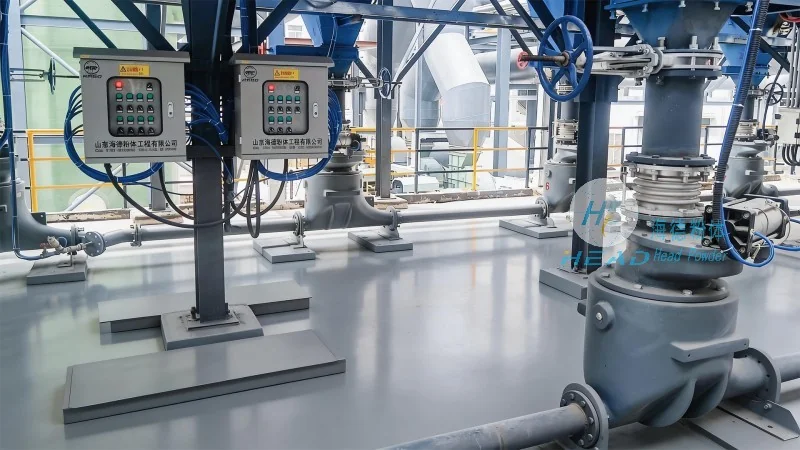
Belt conveyors use a continuous belt to transport materials, making them suitable for both dry powders and slurries. They are particularly effective for transporting alkaline materials over long horizontal distances or moderate inclines. The main advantage of belt conveyors is their high capacity and ability to handle a wide range of material types. They can transport large volumes of materials at a consistent speed, reducing the risk of material buildup or bottlenecks. Belt conveyors also offer low maintenance costs and can be easily modified to accommodate changes in production volume. However, the system requires a significant amount of space for installation, which may not be feasible in compact industrial settings. Additionally, the risk of material spillage or belt damage from abrasive alkaline materials exists, necessitating regular inspection and maintenance to prevent operational disruptions.
5. Pipeline Pumps (Positive Displacement Pumps)
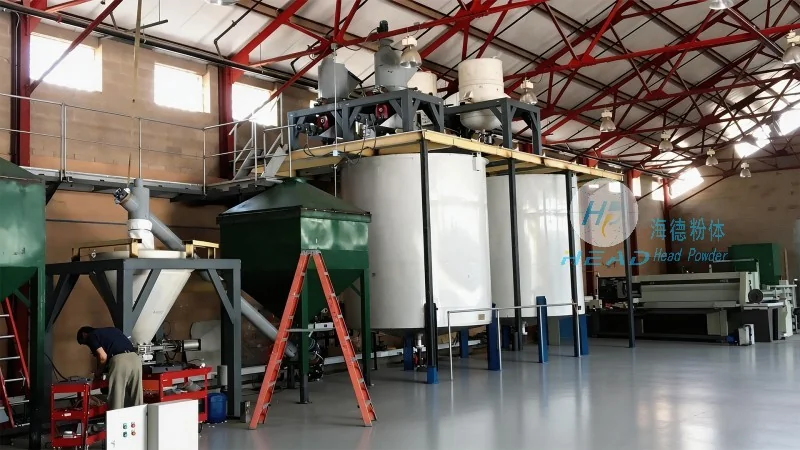
Pipeline pumps, such as progressive cavity or gear pumps, are used for transporting alkaline liquids or slurries through pipelines. These pumps are particularly effective for high-viscosity or high-solids-content slurries, as they can maintain consistent flow rates even under varying pressure conditions. The primary advantage of pipeline pumps is their ability to deliver a steady flow with minimal pulsation, ensuring smooth operation of downstream processes. They are also suitable for long-distance transport without the need for intermediate storage or transfer points. However, the initial cost of pipeline pumps is relatively high, and the system requires regular maintenance to prevent wear on pump components. The risk of pump failure due to material abrasion or corrosion also exists, which can lead to costly downtime and repairs. Additionally, the system's efficiency may decrease with the increase in slurry viscosity or the presence of large solid particles, requiring more energy to maintain the desired flow rate.
About Shandong HeadPowder Engineering Co., Ltd.
Shandong HeadPowder Engineering Co., Ltd., commonly known as HeadPowder, is a leading provider of industrial equipment and solutions for material handling and processing. With a strong focus on innovation and customer satisfaction, HeadPowder offers a wide range of products tailored to meet the specific needs of industrial facilities. The company's expertise in designing and manufacturing efficient transport systems for alkaline materials ensures that clients receive reliable and durable solutions that enhance operational performance and safety. HeadPowder's commitment to quality and service has made it a trusted partner for many industries, including chemical, pharmaceutical, and food processing. The company's headquarters is located in Shandong, China, where it continues to develop cutting-edge technologies and provide comprehensive support to its global clientele.