Công ty TNHH Kỹ thuật Headpowder Sơn Đông chuyên vận chuyển khí nén bột và hạt. Nhờ thế mạnh hợp tác doanh nghiệp‑trường‑viện, chúng tôi cung cấp giải pháp vận chuyển kín, không bụi, độ chính xác cao.
HeadPowder, a leading provider of advanced material handling solutions, specializes in optimizing the transportation of metal silicon. This article provides a detailed comparison of common metal silicon conveying methods, highlighting their respective advantages and disadvantages to help industrial clients make informed decisions for their operations.
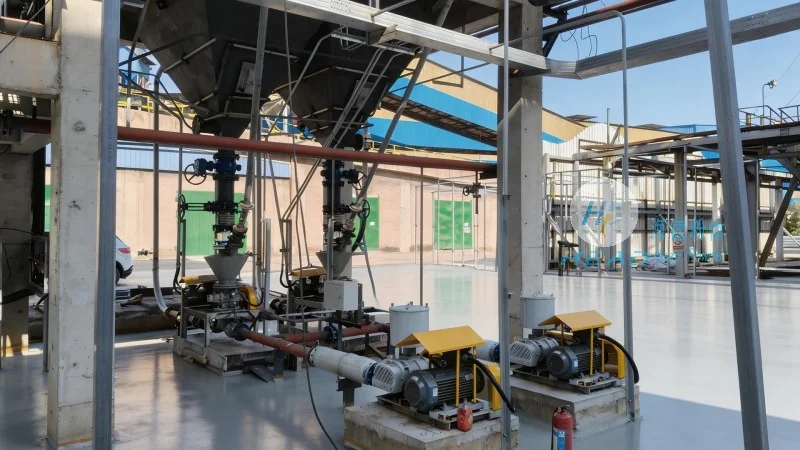
Introduction to Metal Silicon Conveying Methods
Metal silicon, a critical raw material in the production of solar cells and other high-tech applications, requires efficient and reliable transportation systems to maintain product quality and operational efficiency. The choice of conveying method significantly impacts production costs, safety, and overall process performance. Common methods include pneumatic conveying, mechanical conveying, and gravity-based systems, each with distinct characteristics and applications.
1. Pneumatic Conveying Systems
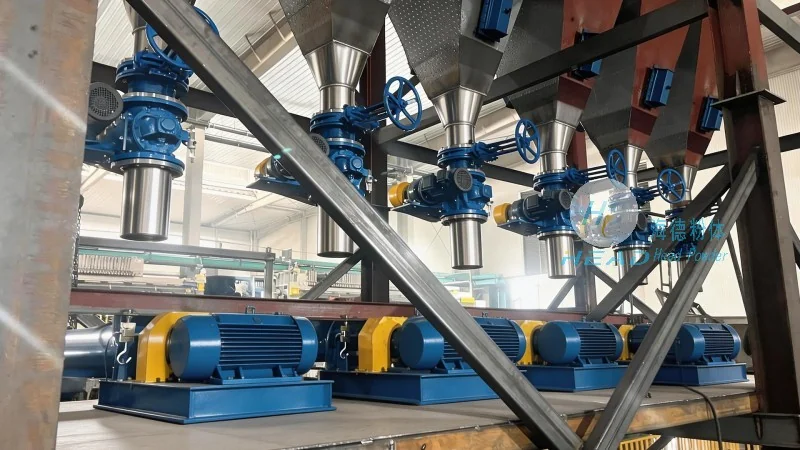
Pneumatic conveying uses compressed air or gas to transport metal silicon particles through a pipeline. This method offers several advantages, including high transport capacity, the ability to handle fine powders, and minimal product contamination. It is particularly suitable for long-distance or high-rise applications where mechanical systems may be impractical. However, pneumatic systems require significant energy input for air compression, leading to higher operational costs. Additionally, they are susceptible to blockages and require regular maintenance to ensure consistent performance.
2. Mechanical Conveying Systems
Mechanical conveying, such as screw conveyors, belt conveyors, and bucket elevators, relies on mechanical components to move metal silicon. These systems are generally more energy-efficient than pneumatic methods and can handle a wide range of particle sizes and bulk densities. They are also easier to install and maintain, making them a popular choice for many industrial applications. The main disadvantages include higher initial capital costs, potential for product degradation due to friction and impact, and limited ability to handle very fine powders without additional processing. Mechanical systems also require regular lubrication and part replacement to prevent wear and tear.
3. Gravity Conveying Systems
Gravity conveying utilizes the natural force of gravity to move metal silicon from higher to lower elevations. This method is highly energy-efficient as it does not require external power sources. It is ideal for short horizontal or inclined runs where the material can flow freely. However, gravity systems are limited by the need for a suitable slope and are not suitable for vertical or long horizontal distances. They also require careful design to prevent material buildup and ensure smooth flow, which can be challenging for irregularly shaped or cohesive metal silicon particles.
4. Comparison and Selection Criteria
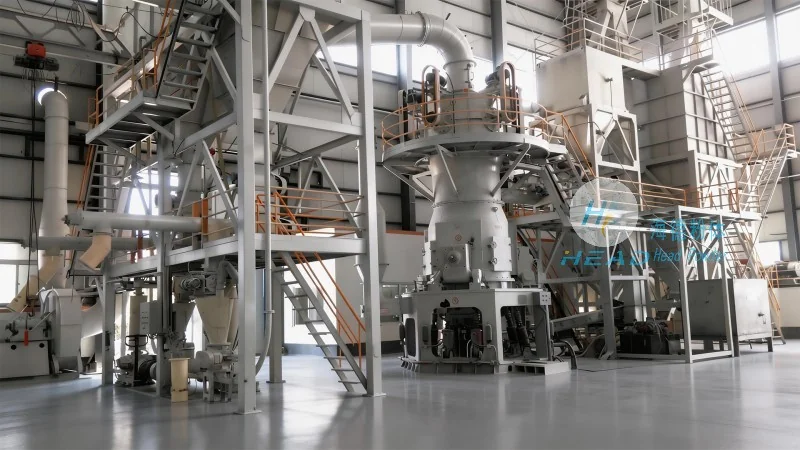
When selecting a metal silicon conveying method, several factors must be considered, including the material's properties (particle size, density, moisture content), the distance and elevation changes, operational costs, and safety requirements. Pneumatic systems excel in long-distance or high-rise applications but at higher energy costs. Mechanical systems offer a balance of efficiency and cost-effectiveness for moderate distances and particle sizes. Gravity systems are the most economical for short, low-elevation runs but have limited applicability. HeadPowder recommends conducting a thorough analysis of these factors to determine the most suitable conveying method for specific industrial needs.
Conclusion
Choosing the right metal silicon conveying method is crucial for optimizing production efficiency and maintaining product quality. By understanding the advantages and disadvantages of each approach, industrial clients can select the most appropriate system for their operations. HeadPowder, with its expertise in material handling solutions, provides tailored conveying systems that address the unique challenges of metal silicon transportation, ensuring reliable and cost-effective performance for clients in China and beyond.

 Shandong Headpowder Engineering Co., Ltd.
 156-6277-7102(Quản lý Trương)
  0531-83386006
  Thành phố Tế Nam, Tỉnh Sơn Đông, Trung Quốc
Điện thoại
WeChatTư vấn
Lên đầu