

Common Foam Powder Conveying Methods: A Comparison of Advantages and Disadvantages
When it comes to the efficient handling and transportation of foam powder, selecting the right conveying method is crucial for industrial operations. Foam powder, with its unique properties such as low bulk density and potential for static charge, requires specialized equipment and techniques to ensure safe and effective movement. This article provides a detailed comparison of common foam powder conveying methods, examining their advantages and disadvantages to help industrial professionals make informed decisions.
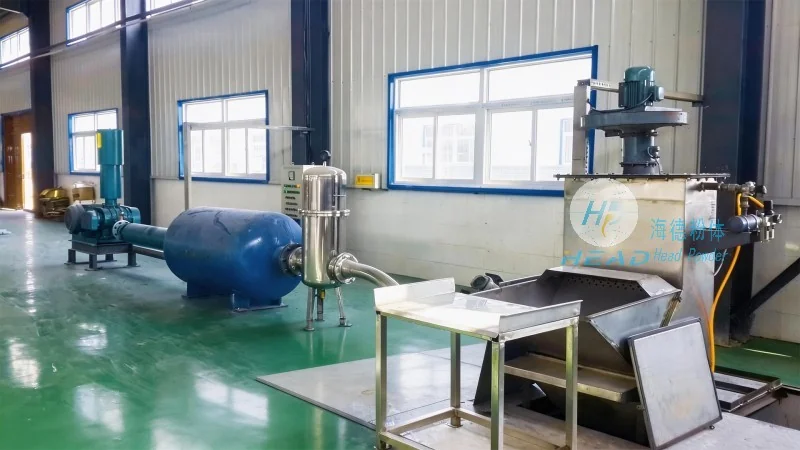
Introduction to Foam Powder Conveying
Foam powder is widely used in various industries, including construction, agriculture, and chemical manufacturing. Its lightweight and porous nature makes it an ideal material for applications like insulation, filtration, and soil amendment. However, the handling of foam powder presents challenges due to its low density, which can lead to uneven flow and the risk of dust generation. Proper conveying methods are essential to maintain product quality, ensure operational efficiency, and comply with safety regulations. The choice of conveying system depends on factors such as the powder's characteristics, the required conveying distance, and the available space in the facility.
1. Gravity Conveying Systems
Gravity conveying relies on the natural force of gravity to move foam powder from a higher to a lower elevation. This method is simple and cost-effective, making it suitable for short distances and low-volume applications. The primary components of a gravity conveyor system include hoppers, chutes, and transition sections. The foam powder is fed into the hopper and then flows through the chute under the influence of gravity. One of the main advantages of gravity conveying is its low energy consumption, as it does not require any external power source. Additionally, it is relatively easy to install and maintain, with minimal moving parts that can fail or require regular servicing.
However, gravity conveying has significant limitations. The most notable drawback is its dependence on the vertical drop, which means it can only be used for downhill or horizontal-to-downhill movements. This restricts its application in facilities where the powder needs to be moved vertically or over long horizontal distances. Furthermore, the flow rate of foam powder in gravity systems is often inconsistent, as it can be affected by the powder's density, moisture content, and the angle of the chute. This variability can lead to uneven material delivery and potential bottlenecks in the production line. Another disadvantage is the risk of material degradation due to prolonged exposure to air and light, which can affect the foam powder's quality and performance.
2. Mechanical Conveying Systems
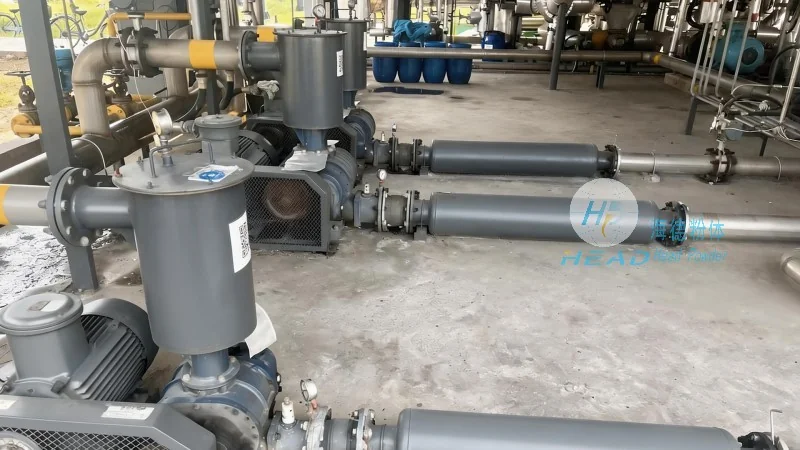
Mechanical conveying systems use mechanical energy to move foam powder. These systems are more versatile than gravity systems and can handle longer distances and higher volumes. The most common types of mechanical conveyors used for foam powder include screw conveyors, belt conveyors, and bucket elevators. Screw conveyors, also known as auger conveyors, consist of a rotating screw inside a trough. The foam powder is fed into the trough and is moved forward by the rotating screw. This method is suitable for both horizontal and inclined applications, making it a popular choice for conveying foam powder in industrial settings.
One of the key advantages of screw conveyors is their ability to handle a wide range of materials, including those with high moisture content or abrasive properties. They are also relatively compact and can be installed in confined spaces. However, screw conveyors have some limitations. The rotating screw can cause friction and heat generation, which may affect the foam powder's temperature and quality. Additionally, the trough design may lead to material buildup and blockages, especially if the foam powder is sticky or has a tendency to agglomerate. Regular cleaning and maintenance are required to prevent these issues and ensure smooth operation.
Belt conveyors are another type of mechanical conveyor used for foam powder. These systems consist of a continuous belt that moves over rollers, transporting the powder from one point to another. Belt conveyors are ideal for long-distance horizontal conveying and can handle large volumes of material. They are also relatively low-maintenance, with minimal moving parts that can fail. However, belt conveyors are not suitable for conveying materials with high static charge or those that are prone to dust generation, as the belt can cause static buildup and material loss. The belt material must be selected carefully to prevent the foam powder from sticking or being damaged during transport.
Bucket elevators are vertical mechanical conveyors that use buckets attached to a chain or belt to lift foam powder from a lower to a higher level. These systems are highly efficient for vertical conveying and can handle large quantities of material. One of the main advantages of bucket elevators is their ability to move foam powder vertically over significant heights, which is essential in facilities where the powder needs to be elevated to different levels. They are also relatively reliable, with minimal maintenance requirements. However, bucket elevators have some drawbacks. The vertical movement can cause material degradation due to the impact of the buckets on the powder, which may affect its quality. Additionally, the system requires more space and power compared to other conveying methods, making it less suitable for small-scale operations.
3. Air Conveying Systems (Pneumatic Conveying)
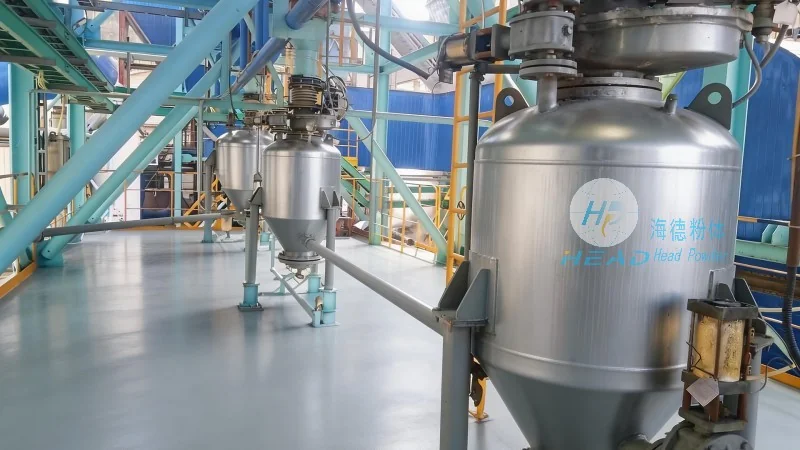
Air conveying, also known as pneumatic conveying, uses compressed air to transport foam powder through a pipeline. This method is highly effective for handling fine powders and is suitable for both short and long distances. The foam powder is fed into the pipeline and is carried by the air stream, which moves the material to the desired location. Pneumatic conveying systems can be classified into two main types: pressure and vacuum systems. Pressure systems use compressed air to push the powder through the pipeline, while vacuum systems use a vacuum to draw the powder into the pipeline.
One of the primary advantages of air conveying is its ability to handle foam powder with high static charge or dust, as the air stream helps to neutralize the static and prevent material loss. This method is also suitable for conveying materials in a closed system, which reduces the risk of contamination and improves safety. Additionally, air conveying can be integrated with other processing equipment, such as mixers and classifiers, to create a continuous production line. The system is relatively compact and can be installed in existing facilities without major modifications.
However, air conveying has significant disadvantages that must be considered. The most notable drawback is its high energy consumption, as it requires a powerful air compressor to generate the necessary pressure or vacuum. This increases operational costs and may not be suitable for facilities with limited power availability. Another disadvantage is the risk of material degradation due to the high velocity of the air stream, which can cause abrasion and breakage of the foam powder particles. This can affect the powder's quality and performance, especially for applications that require uniform particle size. Additionally, air conveying systems are more complex and require regular maintenance of the air compressor and pipeline components. The risk of leaks and air loss can also lead to material loss and reduced efficiency.
4. Comparison of Conveying Methods
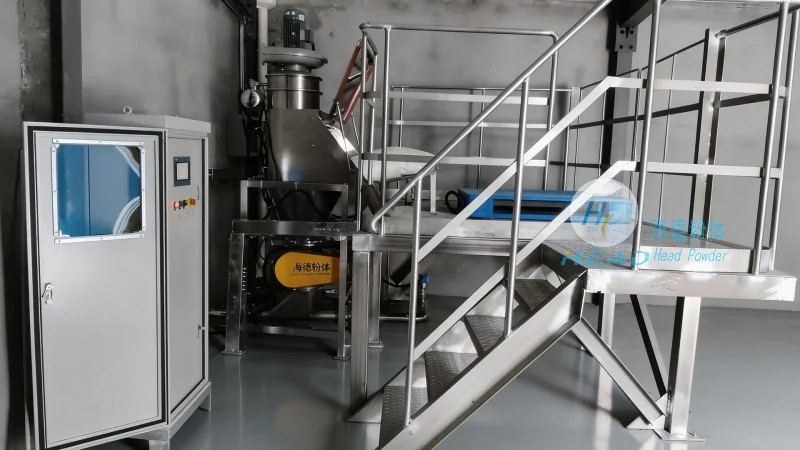
When comparing the different foam powder conveying methods, several factors must be considered to determine the most suitable option. The choice of system depends on the specific requirements of the industrial application, including the volume of material to be conveyed, the distance between the source and destination, and the available space and budget.
Gravity conveying is the most cost-effective option for short distances and low volumes but is limited by its dependence on gravity. Mechanical conveyors, like screw and belt conveyors, offer more versatility and can handle higher volumes but require more maintenance. Air conveying is the most efficient method for handling fine powders and is suitable for both short and long distances but has high energy consumption and complexity. Industrial professionals should evaluate these factors carefully to choose the most appropriate conveying system for their specific needs.
Conclusion
Foam powder conveying is a critical aspect of industrial operations, and the choice of conveying method significantly impacts the efficiency and safety of the process. This article has provided a detailed comparison of common foam powder conveying methods, including gravity, mechanical, and air conveying systems. Each method has its own set of advantages and disadvantages, and the selection depends on factors such as the powder's properties and the operational requirements.
For industrial operations, the selection of a conveying method should be based on a thorough analysis of the foam powder's characteristics and the operational requirements. The goal is to choose a system that maximizes efficiency, minimizes material loss, and ensures product quality while keeping operational costs under control. By understanding the advantages and disadvantages of each method, industrial professionals can make informed decisions that enhance their production processes and improve overall performance.
Shandong HeadPowder Engineering Co., Ltd., a leading manufacturer of foam powder conveying equipment, specializes in providing customized solutions to meet the diverse needs of industrial clients. With years of experience and expertise in the field, the company offers a range of conveying systems that are designed to optimize efficiency, ensure product quality, and enhance operational safety. Based in China, Shandong HeadPowder Engineering Co., Ltd. serves clients worldwide, delivering high-quality equipment and reliable support to help them achieve their production goals.