

Comparison of Common Flake Graphite Conveying Methods: Advantages and Disadvantages
For industrial applications involving flake graphite, selecting the right conveying method is crucial for efficiency, cost-effectiveness, and product integrity. This article provides a detailed comparison of common flake graphite conveying methods, highlighting their advantages and disadvantages to help businesses make informed decisions.
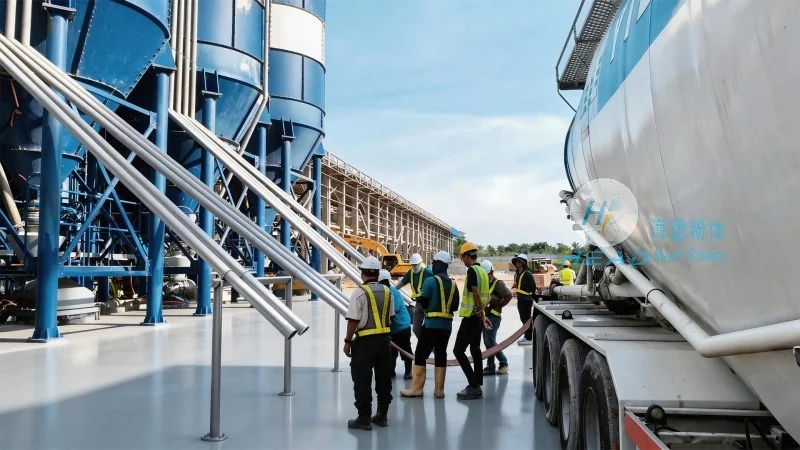
Overview of Flake Graphite Conveying Methods
Flake graphite, a form of crystalline carbon, is widely used in various industries due to its excellent electrical conductivity, thermal stability, and lubricating properties. The effective transport of flake graphite from storage to processing units requires specialized equipment and methods to prevent damage to the delicate flakes. Common conveying methods include belt conveyors, screw conveyors, pneumatic conveying systems, and bucket elevators. Each method has distinct characteristics that make it suitable for different operational conditions and material handling requirements.
Belt Conveyors: High-Capacity and Versatile
Belt conveyors are among the most widely used systems for transporting flake graphite due to their high capacity, flexibility, and ability to handle large volumes of material over long distances. These systems consist of a continuous belt that moves over rollers or pulleys, transporting the graphite from one point to another. The primary advantage of belt conveyors is their ability to handle high throughput rates, making them ideal for large-scale operations. They are also relatively low in maintenance and can be easily integrated into existing industrial setups. However, belt conveyors have some limitations, such as the risk of belt slip or material spillage, especially when handling lightweight or slippery flake graphite. Additionally, they require regular inspection and maintenance to prevent belt wear and tear, which can impact operational efficiency.
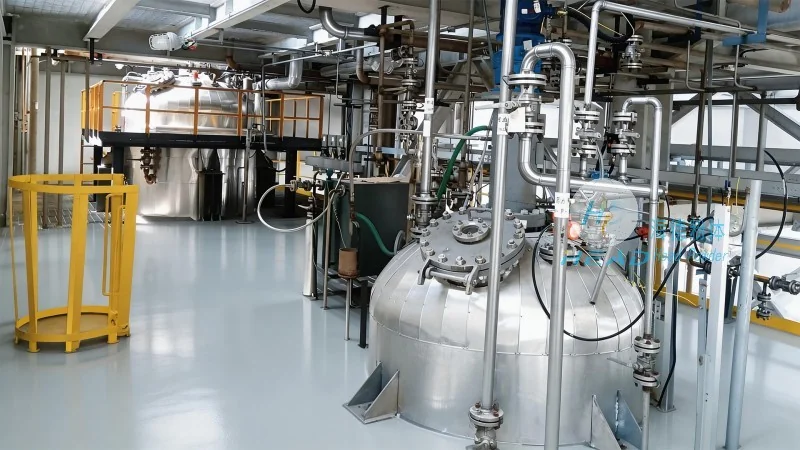
Screw Conveyors: Compact and Gentle Handling
Screw conveyors, also known as auger conveyors, are another popular option for flake graphite transport. These systems use a rotating screw or auger to move material along a trough. The screw design allows for gentle handling of the graphite flakes, reducing the risk of breakage or damage compared to other methods. Screw conveyors are particularly suitable for vertical or inclined transport, as they can lift material without the need for additional equipment. They are also compact and can be installed in confined spaces, making them ideal for facilities with limited floor space. The main drawback of screw conveyors is their lower capacity compared to belt conveyors, which may limit their use in high-volume applications. Additionally, the screw may cause some friction and heat generation, potentially affecting the quality of the graphite if not properly managed.
Pneumatic Conveying Systems: Air-Driven Efficiency
Pneumatic conveying systems use air or other gases to transport flake graphite through a pipeline. This method is particularly effective for handling fine or powdery materials, as it can move the graphite in a closed system, minimizing dust and contamination. Pneumatic systems are highly flexible, as they can be easily reconfigured to change the direction or location of the material flow. They also offer high speed and can transport material over long distances with minimal energy consumption. However, pneumatic conveying has some significant drawbacks, including higher initial costs and energy requirements compared to mechanical systems. The system also requires careful maintenance to prevent air leaks or blockages, which can disrupt operations. Additionally, the pressure and velocity of the air must be carefully controlled to avoid damaging the delicate flakes.
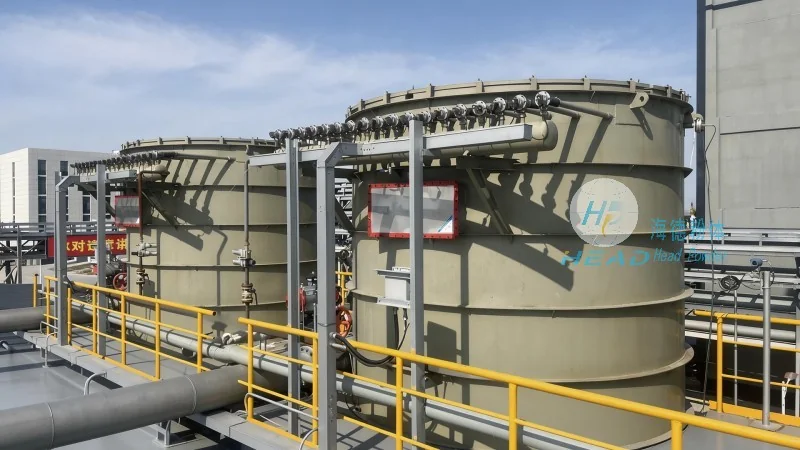
Bucket Elevators: Vertical Transport Solutions
Bucket elevators are designed specifically for vertical transport of materials, including flake graphite. These systems use a series of buckets attached to a belt or chain that moves vertically, lifting the graphite from a lower to a higher level. The primary advantage of bucket elevators is their ability to handle vertical transport efficiently, making them suitable for facilities with limited horizontal space. They are also capable of handling large volumes of material and can be integrated with other processing equipment. However, bucket elevators have higher maintenance costs due to the moving parts and the risk of bucket wear or failure. They also require regular inspection to ensure the buckets are in good condition and the system is operating safely. Additionally, the vertical design may limit the speed and capacity compared to horizontal conveyors.
Choosing the Right Conveying Method for Your Business
The choice of flake graphite conveying method depends on several factors, including the volume of material to be transported, the distance between the source and destination, the available space, and the budget. For high-volume, long-distance horizontal transport, belt conveyors are often the most cost-effective option. For vertical or inclined transport in confined spaces, screw conveyors or bucket elevators may be more suitable. Pneumatic systems are ideal for applications requiring dust-free transport or when the material needs to be moved over long distances with minimal friction. It is essential to consider the specific characteristics of the flake graphite, such as its size, shape, and moisture content, as these factors can impact the performance of the conveying system.
Conclusion
Each flake graphite conveying method has its own set of advantages and disadvantages, and the optimal choice depends on the specific needs of the business. By carefully evaluating the operational requirements and material characteristics, companies can select the most suitable conveying system to enhance efficiency, reduce costs, and ensure the quality of the graphite. For more information on flake graphite handling solutions, contact Shandong HeadPowder Engineering Co., Ltd., a leading provider of industrial conveying equipment based in China.