

Comparison of Common Sawdust and Wood Flour Conveying Methods: Advantages and Disadvantages
When it comes to the efficient handling of sawdust and wood flour in industrial applications, selecting the appropriate conveying method is crucial. The choice of equipment directly impacts production efficiency, material quality, and operational costs. This article provides a detailed comparison of common sawdust and wood flour conveying methods, highlighting their advantages and disadvantages to help businesses make informed decisions.
Sawdust and Wood Flour Conveying: The Importance of Choosing the Right Method
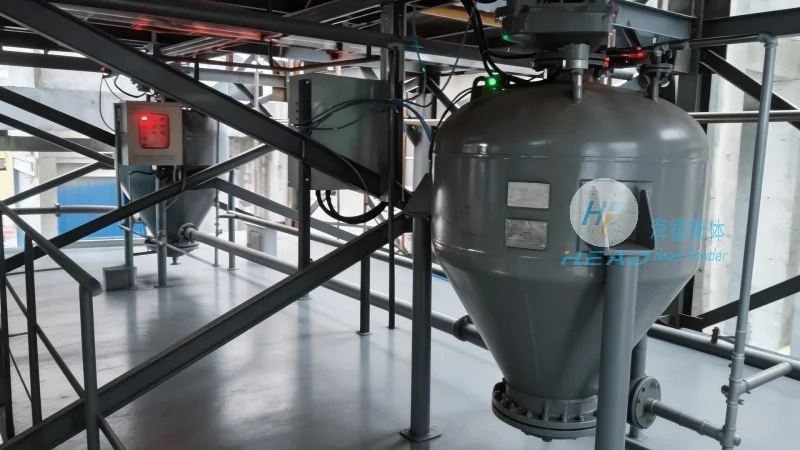
Sawdust and wood flour are widely used in various industries, including woodworking, paper manufacturing, and biomass energy production. These fine materials require specialized handling due to their lightweight, dusty nature and potential for clogging. The right conveying system ensures smooth material flow, minimizes downtime, and maintains product integrity. Understanding the pros and cons of different methods is essential for optimizing operations and reducing long-term costs.
Screw Conveyors: A Traditional Solution for Horizontal and Inclined Transport
Screw conveyors, also known as auger conveyors, are among the most common solutions for transporting sawdust and wood flour. These systems consist of a rotating helical screw inside a trough, which moves material from one point to another. One of the primary advantages of screw conveyors is their simplicity and low maintenance requirements. They are well-suited for horizontal or gentle incline applications, making them ideal for short to medium-distance transport within a facility. Additionally, screw conveyors can handle a wide range of materials, including wet or sticky sawdust, without significant issues.
However, screw conveyors have several limitations. Their capacity is generally lower compared to other systems, which may not be sufficient for high-volume production lines. They are also prone to clogging, especially with fibrous or wet wood flour, leading to frequent stoppages and cleaning. Furthermore, the design limits the maximum angle of inclination, restricting their use in vertical transport scenarios. Despite these drawbacks, screw conveyors remain a cost-effective option for many applications where material handling needs are moderate.
Pneumatic Conveying Systems: High-Efficiency and Flexible Transport Solutions
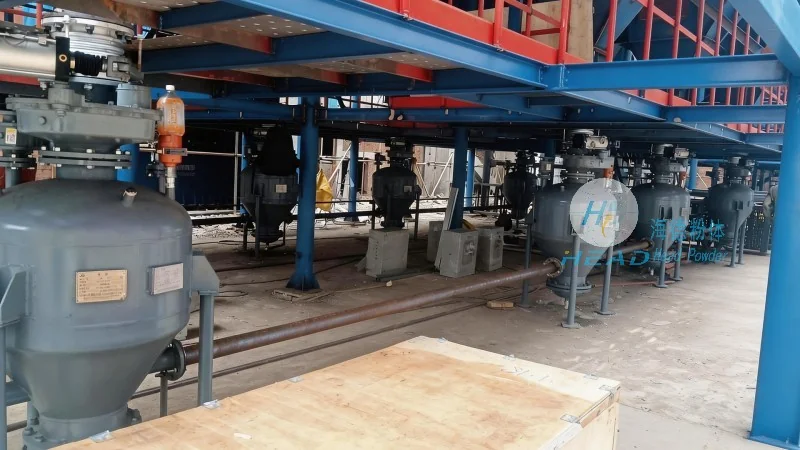
Pneumatic conveying systems use air or other gases to transport sawdust and wood flour through a pipeline. This method offers several advantages, particularly for applications requiring long-distance transport or the handling of sensitive materials. One key benefit is the ability to transport materials without mechanical contact, which helps maintain product purity and prevents contamination. Pneumatic systems are also highly flexible, as they can be easily reconfigured to accommodate changes in production processes or facility layouts.
However, pneumatic conveying comes with significant drawbacks. The most notable is the high energy consumption, as it requires powerful blowers to generate sufficient air pressure. This increases operational costs, especially for continuous or high-volume operations. Additionally, the system is sensitive to variations in material density and moisture content, which can affect conveying efficiency and cause blockages. The equipment is also more complex and expensive to install and maintain compared to other methods. Despite these challenges, pneumatic conveying remains a preferred choice for industries where hygiene, cleanliness, and long-distance transport are critical factors.
Belt Conveyors: High-Capacity Solutions for Long-Distance Horizontal Transport
Belt conveyors are another popular option for sawdust and wood flour transport, especially for long-distance horizontal applications. These systems consist of a continuous belt that moves material along a frame, supported by rollers or idlers. The primary advantage of belt conveyors is their high capacity, making them suitable for large-scale production environments. They can handle substantial volumes of material with minimal maintenance, and the design allows for easy integration with other processing equipment.
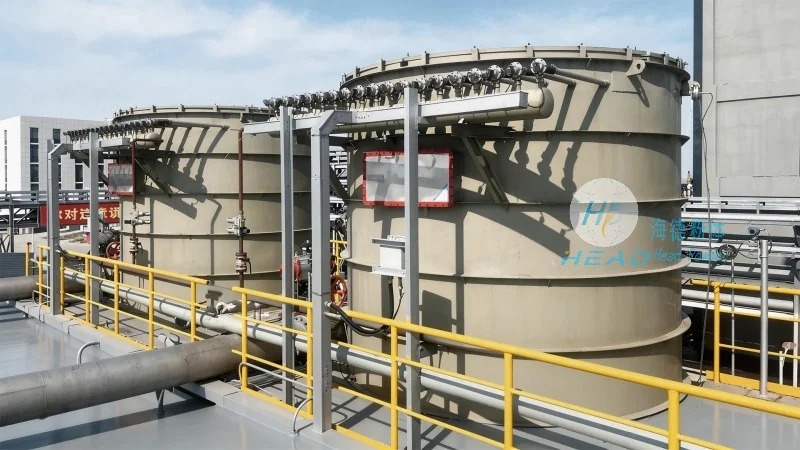
Nevertheless, belt conveyors have their own limitations. The systems require significant floor space, which may not be available in compact facilities. They are also susceptible to dust generation, which can affect air quality and pose health risks if not properly controlled. The belts themselves are prone to wear and tear, especially when handling abrasive wood flour, leading to higher replacement costs over time. Additionally, belt conveyors are not suitable for vertical transport or steep inclines, as the material may slip or cause the belt to stretch. Despite these drawbacks, belt conveyors remain a cost-effective solution for many applications where high throughput and long-distance transport are prioritized.
Customized Solutions from Shandong HeadPowder Engineering Co., Ltd.
At Shandong HeadPowder Engineering Co., Ltd., we understand that no two industrial applications are identical. Our team of experts specializes in designing and manufacturing customized conveying systems tailored to the specific needs of our clients. By analyzing the unique challenges of each project—such as material characteristics, production volume, and facility layout—we can recommend the most suitable combination of technologies to optimize performance and reduce costs.
Whether you need a screw conveyor for moderate horizontal transport, a pneumatic system for long-distance or hygienic applications, or a belt conveyor for high-capacity horizontal handling, our solutions are engineered to meet your requirements. We prioritize durability, efficiency, and ease of maintenance, ensuring that our clients achieve reliable and consistent material flow. With our headquarters in Shandong, China, we leverage local expertise and resources to deliver high-quality products and services that stand the test of time.