Công ty TNHH Kỹ thuật Headpowder Sơn Đông chuyên vận chuyển khí nén bột và hạt. Nhờ thế mạnh hợp tác doanh nghiệp‑trường‑viện, chúng tôi cung cấp giải pháp vận chuyển kín, không bụi, độ chính xác cao.
When it comes to transporting sodium sulfate powder, selecting the right conveying method is crucial for ensuring efficiency, safety, and cost-effectiveness in industrial operations. Shandong HeadPowder Engineering Co., Ltd., a leading manufacturer based in Shandong, China, understands the importance of choosing appropriate equipment for this process. This article provides a detailed comparison of common sodium sulfate powder conveying methods, highlighting their advantages and disadvantages to help industrial clients make informed decisions.
Overview of Sodium Sulfate Powder Conveying Methods
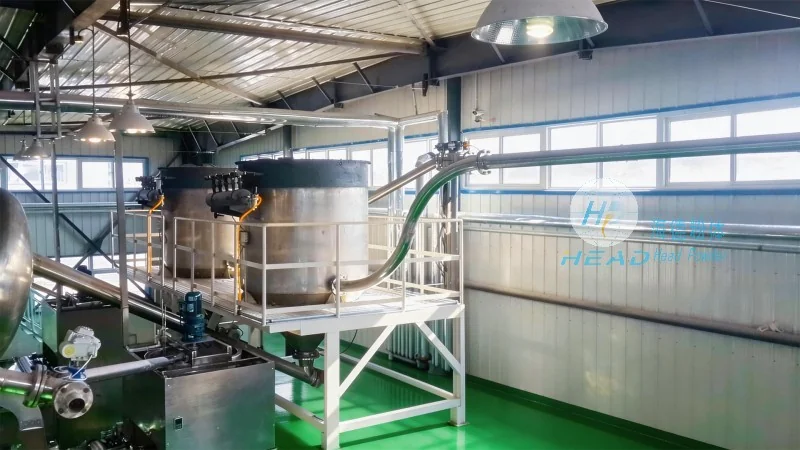
Sodium sulfate, also known as Glauber's salt, is widely used in various industries, including glass manufacturing, paper production, and chemical processing. The efficient transportation of this fine powder is essential to maintain production continuity and minimize downtime. Several methods are commonly employed for this purpose, each with its own set of benefits and limitations.
Pneumatic Conveying Systems
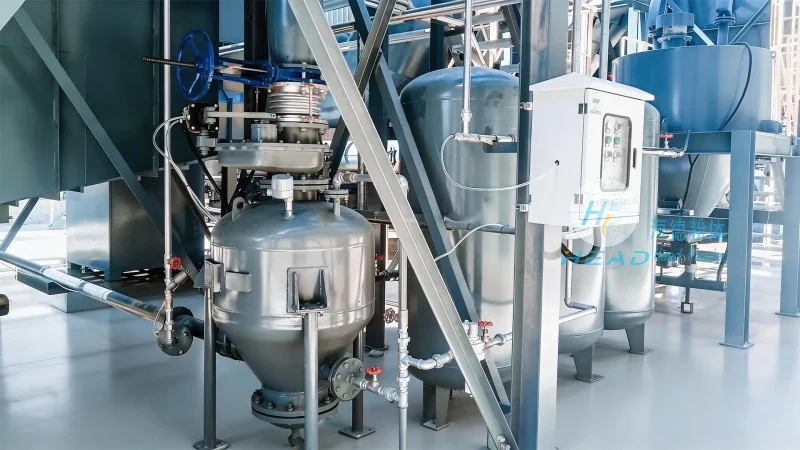
Pneumatic conveying systems utilize air or other gases to transport sodium sulfate powder through a network of pipes. This method is particularly effective for long-distance and high-volume transport. One of the primary advantages of pneumatic conveying is its ability to handle fine powders without the need for mechanical components that might cause blockages or wear. Additionally, it offers flexibility in terms of layout and can be integrated with existing industrial setups. However, pneumatic systems require significant energy input to move the powder and may be less efficient for short distances. The system also needs regular maintenance to prevent air leaks and ensure consistent performance.
Screw Conveyors
Screw conveyors, also known as auger conveyors, are mechanical devices that use a rotating screw to move sodium sulfate powder along a trough. This method is ideal for horizontal or slightly inclined transport over moderate distances. The main advantage of screw conveyors is their simplicity and low maintenance requirements. They are relatively inexpensive to install and can handle a wide range of powder types, including sodium sulfate. However, screw conveyors may experience issues with powder buildup and clogging, especially with fine or cohesive powders. The rotating screw can also cause wear and tear over time, leading to increased operational costs. Moreover, they are less suitable for vertical transport due to the risk of material degradation.
Belt Conveyors
Belt conveyors use a continuous belt to transport sodium sulfate powder from one location to another. This method is commonly used in bulk material handling applications and is particularly effective for horizontal transport over longer distances. The primary advantage of belt conveyors is their high capacity and ability to handle large volumes of powder. They are also relatively easy to install and maintain, with minimal downtime for repairs. However, belt conveyors may not be suitable for fine powders that can cause dust issues or slip on the belt surface. The system requires regular cleaning and tension adjustments to prevent belt wear and material spillage. Additionally, they are more expensive to install compared to other conveying methods and may not be ideal for small-scale operations.
Hydraulic Conveying
Hydraulic conveying systems use water or other liquids to transport sodium sulfate powder through a pipeline. This method is often used in applications where the powder needs to be transported over long distances or through complex layouts. The main advantage of hydraulic conveying is its ability to handle abrasive and fine powders without causing excessive wear on the system components. It also offers a high degree of control over the flow rate and pressure. However, hydraulic systems require significant water consumption and may lead to environmental concerns if not managed properly. The system also needs regular cleaning to prevent clogging and corrosion, which can increase maintenance costs. Moreover, the initial investment for hydraulic equipment is higher compared to other conveying methods.
Selection Criteria for Sodium Sulfate Powder Conveying
When choosing a conveying method for sodium sulfate powder, several factors should be considered to ensure optimal performance. The first consideration is the distance and layout of the transport route. For short distances and simple layouts, screw conveyors or belt conveyors may be sufficient. For long distances or complex layouts, pneumatic or hydraulic systems are more appropriate. The second factor is the volume and consistency of the powder. Fine or cohesive powders may require specialized equipment like pneumatic systems or belt conveyors with anti-clogging features. The third factor is the budget and maintenance capabilities. Lower-cost options like screw conveyors may be suitable for small-scale operations with limited maintenance resources. However, for large-scale industrial applications, higher-cost systems like pneumatic or hydraulic conveyors may offer better long-term efficiency.
Conclusion
Choosing the right sodium sulfate powder conveying method is a critical decision for industrial operations. Each method has its own set of advantages and disadvantages, and the best choice depends on the specific requirements of the application. Shandong HeadPowder Engineering Co., Ltd. offers a range of conveying solutions tailored to meet the needs of different industries. By understanding the characteristics of each method and considering the relevant factors, industrial clients can select the most suitable conveying system to ensure efficient and reliable transport of sodium sulfate powder. Whether it's pneumatic, screw, belt, or hydraulic conveying, the goal is to minimize downtime, reduce costs, and maintain product quality throughout the transportation process.

 Shandong Headpowder Engineering Co., Ltd.
 156-6277-7102(Quản lý Trương)
  0531-83386006
  Thành phố Tế Nam, Tỉnh Sơn Đông, Trung Quốc
Điện thoại
WeChatTư vấn
Lên đầu