Công ty TNHH Kỹ thuật Headpowder Sơn Đông chuyên vận chuyển khí nén bột và hạt. Nhờ thế mạnh hợp tác doanh nghiệp‑trường‑viện, chúng tôi cung cấp giải pháp vận chuyển kín, không bụi, độ chính xác cao.
When it comes to transporting fine powders, selecting the right conveying method is crucial for ensuring efficiency, safety, and product integrity. Fine powders, such as those used in pharmaceuticals, food processing, and chemical manufacturing, present unique challenges due to their fine particle size, low bulk density, and tendency to generate dust. Traditional methods like belt conveyors or screw conveyors may not be suitable for these materials, as they can lead to material degradation, blockages, and health hazards. This article explores various fine powder conveying methods, with a particular focus on the advantages and features of pneumatic conveying systems.
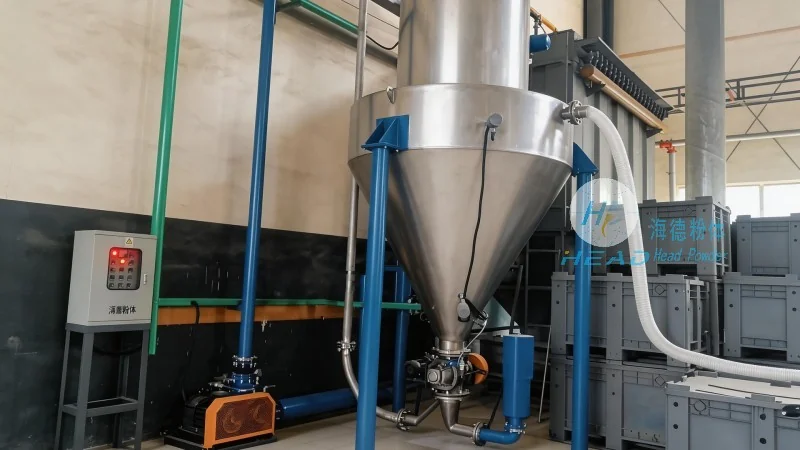
Understanding Fine Powder Conveying: The Core Challenges
Fine powders are defined by their particle size, typically ranging from 1 to 500 microns, and their low bulk density, which often results in poor flowability. These characteristics make it difficult to handle and transport them using conventional bulk material handling equipment. Key challenges include the risk of dust explosion, material segregation, and equipment wear due to abrasive particles. Additionally, fine powders are sensitive to moisture and temperature changes, which can affect their quality and usability. Therefore, an effective conveying system must address these challenges while maintaining product purity and operational efficiency.
Common Fine Powder Conveying Methods
Several methods are employed for transporting fine powders, each with its own set of advantages and limitations. The primary methods include:
Pneumatic Conveying: This method uses air or other gases to transport powders through a pipeline. It can be further categorized into pressure, vacuum, and mixed flow systems, each tailored to specific operational needs.
Mechanical Conveying: This includes belt conveyors, screw conveyors, and bucket elevators. While these are widely used for bulk materials, they may not be ideal for fine powders due to the risk of clogging and material degradation.
Hydraulic Conveying: This method uses water or other liquids to transport powders, often in slurry form. It is suitable for materials that are water-soluble or can be mixed with water, but it may not be applicable to all fine powders.
Pneumatic Conveying: The Preferred Solution for Fine Powders
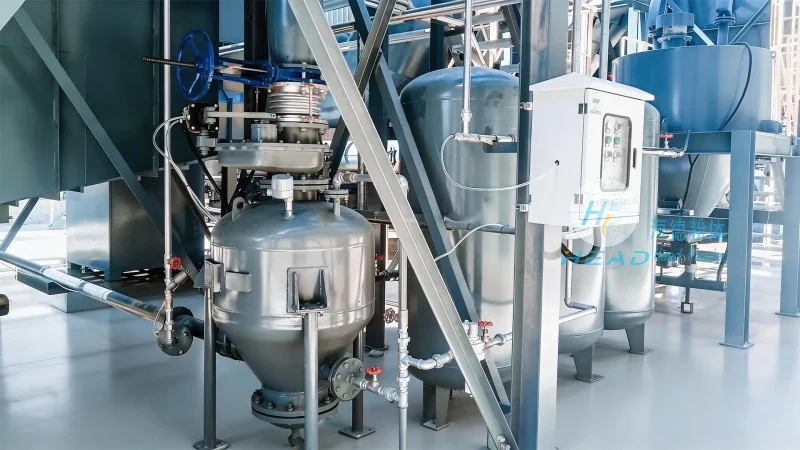
Among the various conveying methods, pneumatic conveying stands out as the most effective solution for fine powders. Developed and manufactured by companies like Shandong HeadPowder Engineering Co., Ltd., based in China, pneumatic conveying systems offer several key advantages that address the challenges associated with fine powder handling.
One of the primary benefits of pneumatic conveying is its ability to handle fine powders without the risk of clogging or material degradation. The system uses air pressure to move powders through a closed pipeline, preventing exposure to external contaminants and maintaining product purity. This is particularly important in industries such as pharmaceuticals and food processing, where product quality and safety are paramount.
Another advantage is the flexibility of pneumatic conveying systems. They can be designed to handle a wide range of particle sizes and flow rates, making them suitable for various applications. The system can be customized to meet specific operational requirements, including the need for low or high pressure, and the ability to transport powders over long distances or vertical heights.
Furthermore, pneumatic conveying systems are highly efficient in terms of energy consumption. By using air as the conveying medium, the system minimizes the need for mechanical components that can cause wear and tear, reducing maintenance costs and increasing operational longevity. This efficiency is a significant factor for businesses looking to optimize their material handling processes.
Shandong HeadPowder Engineering Co., Ltd. specializes in the design, manufacturing, and installation of pneumatic conveying systems tailored to the needs of fine powder industries. With a focus on innovation and quality, the company provides solutions that enhance productivity, reduce downtime, and ensure compliance with industry standards. Their expertise in fine powder handling has made them a trusted partner for businesses seeking reliable and efficient conveying solutions.
Key Features of Pneumatic Conveying Systems
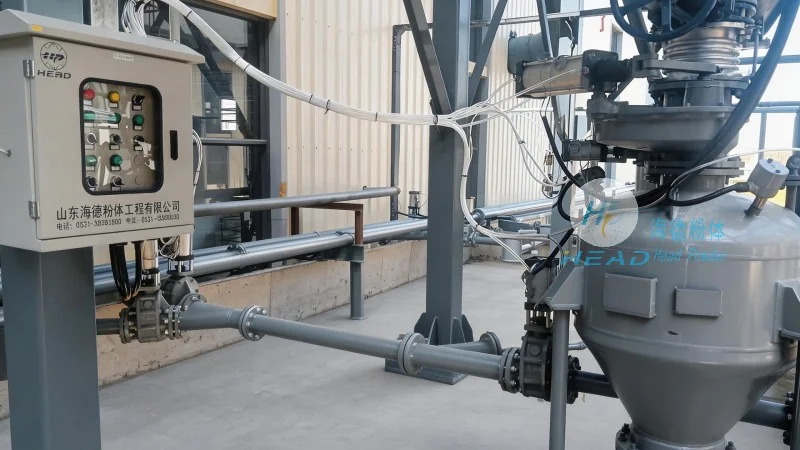
Pneumatic conveying systems for fine powders typically include several key components that work together to ensure smooth and efficient operation. These components include:
Conveying Lines: The pipeline system, usually made of stainless steel or other corrosion-resistant materials, is designed to handle the specific characteristics of fine powders. The material of construction is critical to prevent contamination and ensure durability.
Feeders: These devices are used to introduce the fine powder into the conveying line at a controlled rate. Proper feeding is essential to prevent blockages and maintain consistent flow rates.
Blowers or Fans: These provide the necessary air pressure to move the powders through the pipeline. The choice of blower depends on the system's pressure and flow requirements.
Control Systems: Advanced control systems are used to monitor and regulate the conveying process, ensuring optimal performance and safety.
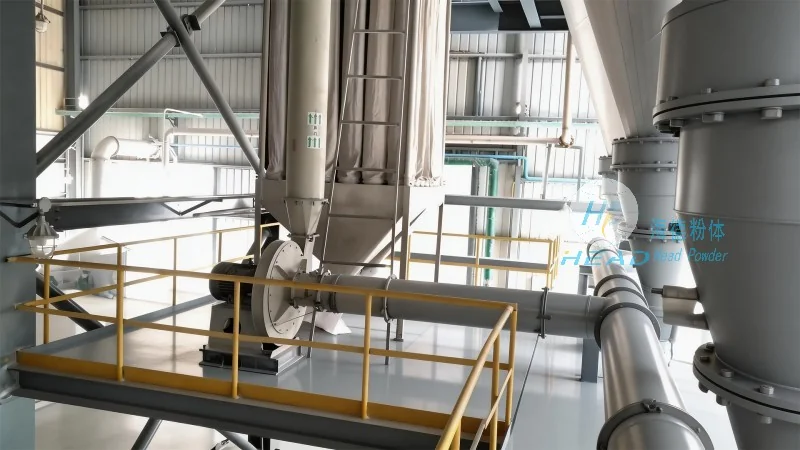
Applications of Pneumatic Conveying for Fine Powders
Pneumatic conveying systems are widely used in various industries that handle fine powders. Some common applications include:
Pharmaceutical Industry: For transporting active pharmaceutical ingredients (APIs) and excipients, ensuring product purity and preventing contamination.
Food Processing: For conveying ingredients such as flour, sugar, and spices, maintaining product quality and safety.
Chemical Manufacturing: For handling chemicals and pigments, ensuring efficient and safe material transfer.
Mineral Processing: For transporting fine minerals and ores, improving process efficiency and reducing environmental impact.
Conclusion: The Advantages of Pneumatic Conveying for Fine Powders
For businesses dealing with fine powders, pneumatic conveying offers a superior solution compared to traditional methods. The advantages of efficiency, product integrity, flexibility, and safety make it the preferred choice for many industries. Companies like Shandong HeadPowder Engineering Co., Ltd. play a crucial role in providing these advanced systems, helping businesses optimize their material handling processes and achieve their operational goals.

 Shandong Headpowder Engineering Co., Ltd.
 156-6277-7102(Quản lý Trương)
  0531-83386006
  Thành phố Tế Nam, Tỉnh Sơn Đông, Trung Quốc
Điện thoại
WeChatTư vấn
Lên đầu