Công ty TNHH Kỹ thuật Headpowder Sơn Đông chuyên vận chuyển khí nén bột và hạt. Nhờ thế mạnh hợp tác doanh nghiệp‑trường‑viện, chúng tôi cung cấp giải pháp vận chuyển kín, không bụi, độ chính xác cao.
PE (Polyethylene) pellets are widely used in various industrial applications due to their versatility and ease of processing. The efficient and reliable transportation of these pellets from one location to another is crucial for maintaining production efficiency and product quality. There are several methods available for conveying PE pellets, with each having its own set of advantages and limitations. This article, authored by Shandong HeadPowder Engineering Co., Ltd. (HeadPowder), based in Shandong, China, will explore the different PE pellet conveying methods and provide an in-depth look at the benefits and characteristics of pneumatic conveying, a popular choice in the industry.
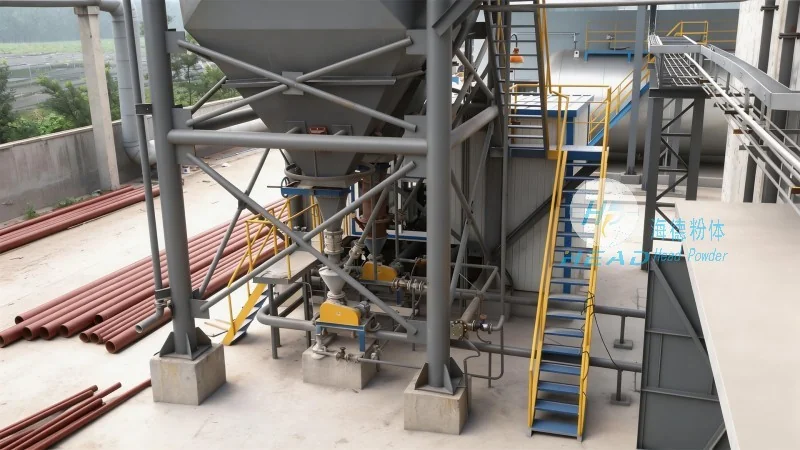
Introduction to PE Pellet Conveying Methods
PE pellets are typically transported using mechanical or pneumatic systems. Mechanical conveying methods include screw conveyors, belt conveyors, and bucket elevators, which rely on physical contact and mechanical force to move the material. While these methods are effective for certain applications, they may not be suitable for all environments, especially when dealing with fine or dusty materials. Pneumatic conveying, on the other hand, uses air or other gases to transport the pellets through a pipeline system, offering a more flexible and efficient solution for many industrial processes.
Pneumatic Conveying: The Preferred Method for PE Pellets
Pneumatic conveying is a non-contact method that utilizes compressed air to move PE pellets through a closed pipeline. This system consists of a series of components, including a feeder, a pipeline network, and a receiver. The pellets are introduced into the system at the feeder, where they are then carried by the air flow through the pipeline to the destination. There are two main types of pneumatic conveying systems: pressure and vacuum. Pressure systems use compressed air to push the pellets forward, while vacuum systems use a vacuum to pull the pellets through the pipeline.
Advantages of PE Pellet Pneumatic Conveying
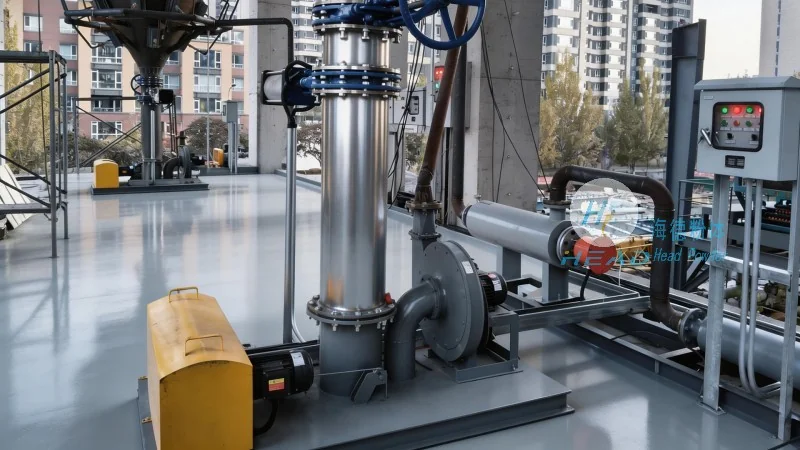
PE pellet pneumatic conveying offers several advantages over traditional mechanical methods. One of the key benefits is the ability to transport pellets over long distances without the need for multiple transfer points. This reduces the risk of material degradation and contamination, which is critical for maintaining product quality. Additionally, pneumatic conveying systems are more flexible and can be easily adapted to changing production needs. They can handle a wide range of pellet sizes and shapes, making them suitable for various applications.
Key Features of PE Pellet Pneumatic Conveying Systems
The effectiveness of a PE pellet pneumatic conveying system depends on several key features. The design of the feeder is crucial, as it must ensure a consistent and controlled flow of pellets into the pipeline. The pipeline network should be properly sized and maintained to minimize pressure drop and ensure efficient material transport. The receiver, where the pellets are collected, should be designed to prevent dust and air leakage, maintaining a clean and safe working environment. Advanced control systems are also essential for optimizing the operation of the system and ensuring consistent performance.
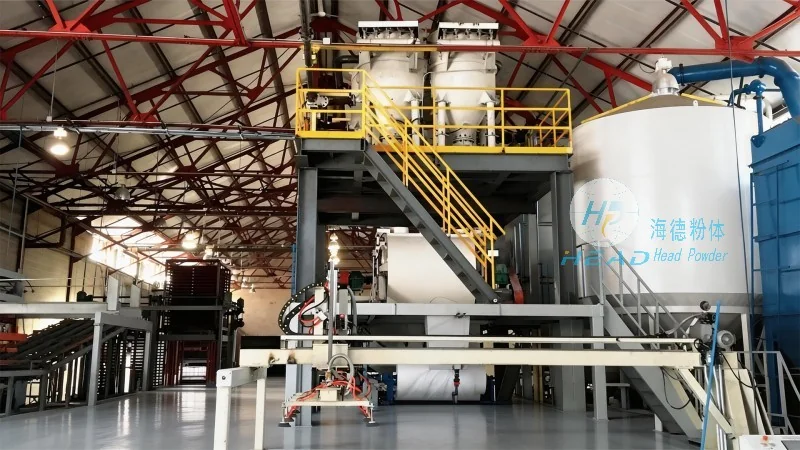
Applications of PE Pellet Pneumatic Conveying
PE pellet pneumatic conveying is widely used in various industries, including plastics manufacturing, food processing, and pharmaceuticals. In the plastics industry, it is commonly used to transport PE pellets from storage silos to processing machines, such as extruders and injection molding machines. The ability to handle large volumes of material efficiently makes it ideal for high-production environments. In the food and pharmaceutical industries, pneumatic conveying is preferred for its hygienic and dust-free operation, which helps maintain product purity and safety standards.
Conclusion
In conclusion, PE pellet pneumatic conveying is a highly effective and versatile method for transporting PE pellets. Its advantages, including long-distance transport, flexibility, and ability to handle various pellet types, make it a preferred choice in many industrial applications. By understanding the key features and benefits of pneumatic conveying systems, manufacturers can optimize their production processes and improve overall efficiency. As the demand for PE pellets continues to grow, the importance of efficient conveying methods will only increase, making pneumatic conveying an essential component of modern industrial operations.

 Shandong Headpowder Engineering Co., Ltd.
 156-6277-7102(Quản lý Trương)
  0531-83386006
  Thành phố Tế Nam, Tỉnh Sơn Đông, Trung Quốc
Điện thoại
WeChatTư vấn
Lên đầu