

Glass Particle Conveying Methods: An Overview of the Advantages and Features of Pneumatic Conveying
When it comes to transporting glass particles, selecting the right conveying method is crucial for ensuring efficiency, safety, and cost-effectiveness in industrial operations. Glass particles, with their unique properties such as fragility, irregular shapes, and varying sizes, require specialized handling to prevent breakage and maintain product integrity. Among the various conveying technologies available, pneumatic conveying stands out as a highly effective solution for glass particle transport. This article provides an overview of common glass particle conveying methods and highlights the key advantages and characteristics of pneumatic conveying systems, presented by Shandong HeadPowder Engineering Co., Ltd., a leading provider of industrial conveying solutions based in China.
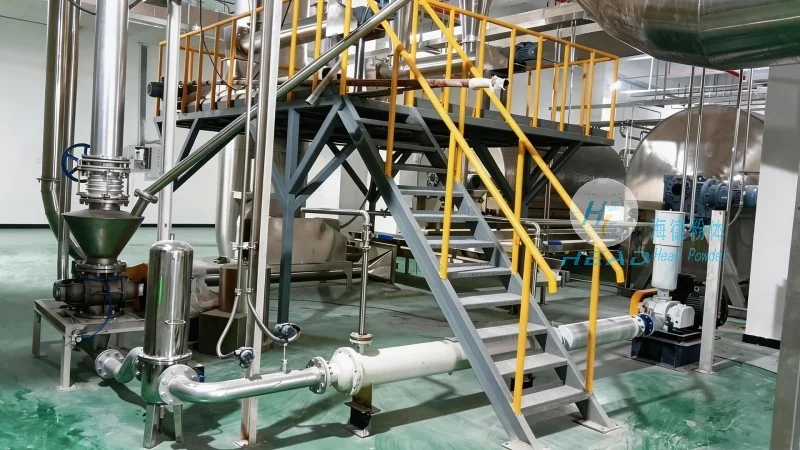
Understanding Glass Particle Conveying Methods
Glass particles are commonly transported using several methods, each with its own set of applications and limitations. The primary methods include mechanical conveying, such as screw conveyors and belt conveyors, and pneumatic conveying. Mechanical conveyors are often used for bulk materials but may not be suitable for delicate glass particles due to the risk of abrasion and breakage. In contrast, pneumatic conveying systems use air or other gases to move particles through a pipeline, offering a gentler and more controlled transport process.
Advantages of Pneumatic Conveying for Glass Particles
Pneumatic conveying offers several distinct advantages when handling glass particles. Firstly, it provides a non-contact transport method, which minimizes the risk of particle damage and contamination. The enclosed pipeline system ensures that glass particles remain clean and free from external debris, which is critical for maintaining product quality, especially in applications like food, pharmaceuticals, or high-purity glass manufacturing. Secondly, pneumatic systems allow for flexible and modular design, enabling easy integration into existing production lines or expansion as production needs grow. This adaptability is particularly valuable in dynamic industrial environments where processes may change over time.
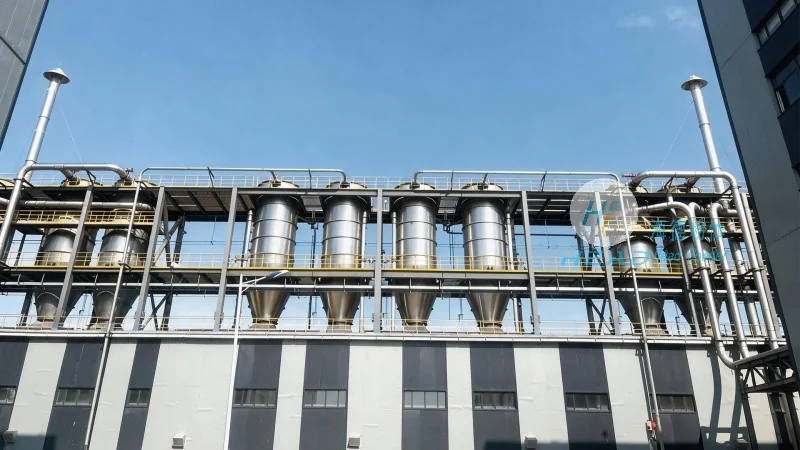
Key Features of Pneumatic Conveying Systems
Modern pneumatic conveying systems for glass particles are equipped with several features that enhance performance and reliability. One of the most important features is the use of positive displacement blowers or rotary lobe pumps, which provide consistent air pressure and flow rates, ensuring smooth and continuous transport. These systems also incorporate advanced control technologies, such as variable frequency drives (VFDs), to adjust air pressure and flow in real-time based on the volume and density of the glass particles being conveyed. This dynamic control helps optimize energy consumption and reduces operational costs.
Types of Pneumatic Conveying Systems
There are two main types of pneumatic conveying systems used for glass particles: dilute-phase and dense-phase systems. Dilute-phase systems use low air velocities to transport particles in a dispersed state, suitable for short to medium distances and low to medium particle loads. Dense-phase systems, on the other hand, use higher air velocities and lower air-to-particle ratios to move particles in a more concentrated state, ideal for longer distances and higher particle loads. The choice between these systems depends on factors such as the distance between the source and destination, the particle size and density, and the required throughput. For glass particles, dense-phase systems are often preferred due to their ability to handle larger particle sizes and maintain higher material density, reducing the risk of clogging and improving overall system efficiency.
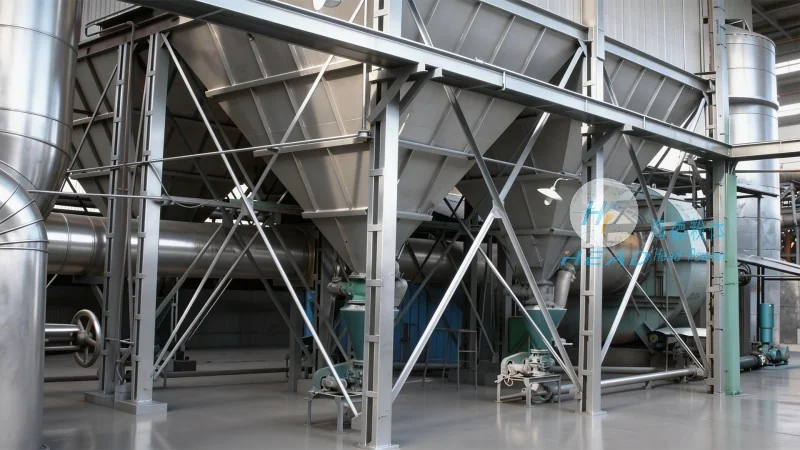
Applications of Pneumatic Conveying in Glass Industry
Pneumatic conveying is widely used in various stages of the glass manufacturing process, from raw material handling to finished product transport. In the raw material stage, pneumatic systems are used to transport sand, soda ash, and limestone from storage silos to the melting furnace. The gentle transport process ensures that these raw materials remain intact and free from contamination, which is essential for producing high-quality glass. During the manufacturing process, pneumatic conveying is also used to transport glass cullet (recycled glass) and other additives to the mixing and melting equipment. In the finishing stage, pneumatic systems can be used to transport finished glass products, such as bottles or containers, from the production line to storage or packaging areas. The versatility of pneumatic conveying makes it a valuable tool in the glass industry, supporting efficient and reliable production operations.
Conclusion
In conclusion, pneumatic conveying is a highly effective and reliable method for transporting glass particles, offering numerous advantages over traditional mechanical conveying systems. Its non-contact transport, flexibility, and ability to handle delicate materials make it an ideal choice for glass manufacturers seeking to maintain product quality and operational efficiency. As industrial processes continue to evolve, the adoption of advanced pneumatic conveying technologies will remain critical for optimizing glass particle transport and supporting sustainable manufacturing practices. For businesses in the glass industry, investing in high-quality pneumatic conveying systems can lead to improved productivity, reduced downtime, and enhanced product quality, ultimately contributing to long-term success in a competitive market.