

Cement Aggregate Conveying Methods: An Overview of the Advantages and Features of Pneumatic Conveyin
When it comes to transporting cement and aggregates in industrial settings, selecting the right conveying method is crucial for efficiency, cost-effectiveness, and operational reliability. Various options exist, each with its own set of advantages and limitations. Among these, pneumatic conveying stands out as a highly effective solution, especially for applications involving bulk materials like cement and aggregates. This article explores the different cement aggregate conveying methods and highlights the key advantages and features of pneumatic conveying systems.
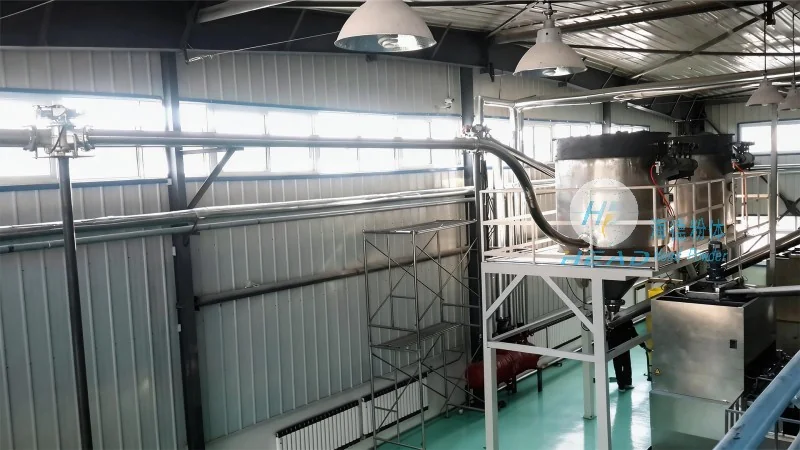
Common Cement Aggregate Conveying Methods
Traditional methods for transporting cement and aggregates include belt conveyors, screw conveyors, and bucket elevators. These systems have been widely used in the industry for decades due to their simplicity and relatively low initial costs. Belt conveyors, for instance, are excellent for horizontal and slightly inclined transport over long distances, while screw conveyors are ideal for vertical or inclined movement in confined spaces. Bucket elevators, on the other hand, are suitable for vertical transport of bulk materials with a high angle of repose.
Pneumatic Conveying: A Modern Solution for Cement and Aggregate Transport
Pneumatic conveying, also known as air conveying, uses a stream of air to move bulk materials through a pipeline system. This method offers several advantages over traditional mechanical conveyors, making it particularly suitable for transporting cement and aggregates in various industrial applications. The primary benefit of pneumatic conveying is its ability to handle materials that are difficult to transport using mechanical systems, such as fine powders and granular aggregates. Unlike belt or screw conveyors, pneumatic systems can transport materials without direct contact, reducing wear and tear on equipment and minimizing the risk of material degradation.
Key Advantages of Pneumatic Conveying for Cement and Aggregates
One of the most significant advantages of pneumatic conveying is its flexibility. Pneumatic systems can be easily adapted to different production requirements, allowing for changes in material flow rates and transport distances without major modifications. This adaptability makes them ideal for dynamic industrial environments where production schedules and material volumes may vary. Additionally, pneumatic conveying systems are highly efficient in terms of energy consumption. By using compressed air to move materials, these systems can achieve high transport speeds with relatively low energy input compared to mechanical conveyors.
Another key advantage is the ability to handle a wide range of materials, including fine powders, granular aggregates, and even mixed materials. Pneumatic systems can transport materials with different particle sizes and densities without the need for separate equipment, which simplifies the overall material handling process. This versatility is particularly valuable in cement and aggregate production, where materials often vary in composition and characteristics.
Features of Pneumatic Conveying Systems
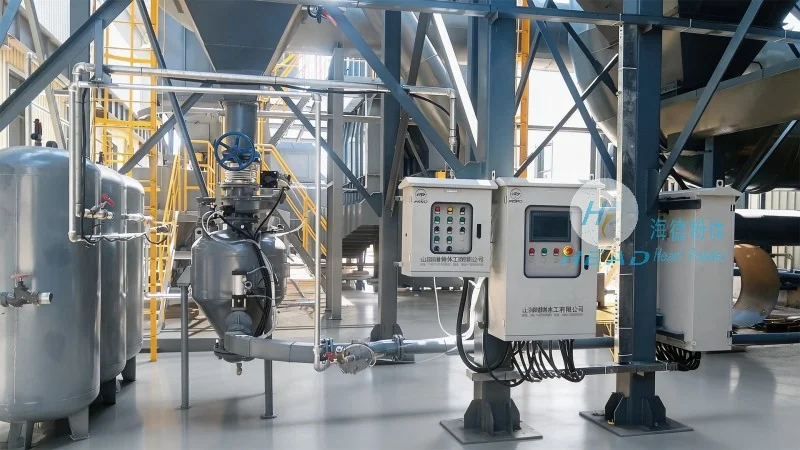
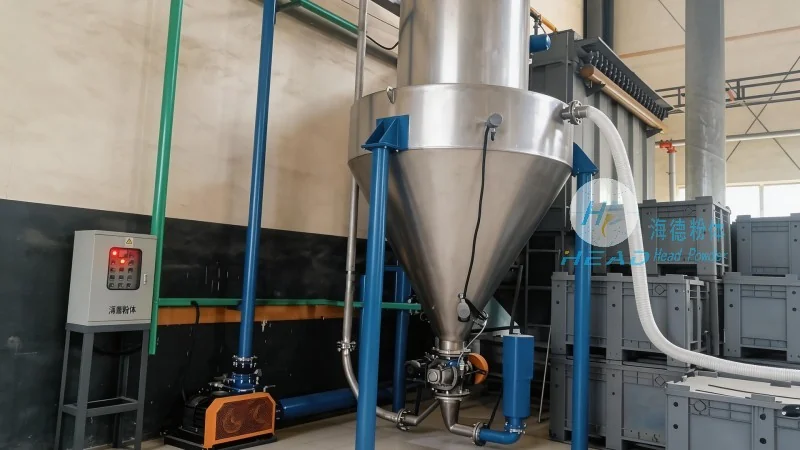
Pneumatic conveying systems typically consist of several key components, including a material feed hopper, a conveyor line, a dust collector, and a control system. The material feed hopper is used to introduce the cement or aggregate into the system, while the conveyor line transports the material through the pipeline using compressed air. The dust collector is essential for maintaining air quality and preventing dust emissions, which is critical for compliance with environmental regulations. The control system monitors and regulates the flow of materials and air, ensuring smooth and efficient operation.
Modern pneumatic conveying systems often incorporate advanced features such as variable speed drives, which allow for precise control over material flow rates. This feature is particularly useful in applications where consistent material delivery is required, such as in cement production lines. Additionally, some systems use cyclone separators or filter bags to capture fine particles and prevent them from being released into the environment. These features enhance the overall performance and reliability of the system, making it a preferred choice for many industrial applications.
Applications of Pneumatic Conveying in Cement and Aggregate Industries
Pneumatic conveying is widely used in various applications within the cement and aggregate industries. For example, in cement plants, pneumatic systems are used to transport raw materials from storage silos to the grinding mills, as well as to move finished cement products from the production line to storage silos. In aggregate processing facilities, pneumatic conveyors are used to transport crushed stone, sand, and other materials from crushers and screens to storage bins or loading areas. The ability to handle fine powders and granular materials makes pneumatic conveying particularly suitable for these applications, where other mechanical systems may struggle with material segregation or blockages.
Conclusion: Choosing the Right Conveying Method for Cement and Aggregates
When selecting a conveying method for cement and aggregates, it is essential to consider the specific requirements of the application, including material characteristics, transport distances, and operational efficiency. While traditional mechanical conveyors like belt and screw conveyors remain popular due to their simplicity and cost-effectiveness, pneumatic conveying offers significant advantages in terms of flexibility, efficiency, and material handling capabilities. For many industrial applications, especially those involving fine powders and granular materials, pneumatic conveying is the preferred solution.
Shandong HeadPowder Engineering Co., Ltd., a leading provider of material handling solutions, specializes in designing and manufacturing high-quality pneumatic conveying systems tailored to the needs of the cement and aggregate industries. With years of experience and a commitment to innovation, the company offers customized solutions that enhance operational efficiency and reduce costs for its clients. Located in Shandong, China, HeadPowder Engineering Co., Ltd. leverages advanced technology and expert engineering to deliver reliable and efficient conveying systems that meet the highest industry standards.