

Conveying Methods for Glass Fiber Cellulose: An Overview of the Advantages and Features of Pneumatic
Glass fiber cellulose, a widely used material in various industries such as construction, automotive, and electronics, requires efficient and reliable conveying systems to ensure smooth production processes. The choice of conveying method significantly impacts operational efficiency, material integrity, and overall cost-effectiveness. This article explores the primary conveying methods for glass fiber cellulose, with a particular focus on the advantages and characteristics of pneumatic conveying, a technology that has become increasingly popular in modern material handling.
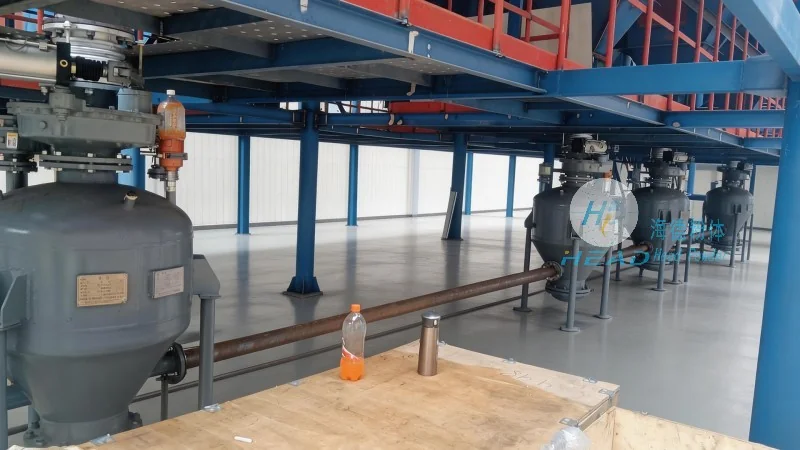
Common Conveying Methods for Glass Fiber Cellulose
There are several conventional methods used to transport glass fiber cellulose, including mechanical conveying systems like belt conveyors, screw conveyors, and bucket elevators. These methods are often suitable for bulk materials and can handle high volumes with relative ease. However, they may face challenges when dealing with fine or dusty materials, as the risk of material degradation or equipment wear increases. Mechanical conveyors also require regular maintenance and may not be as flexible in terms of layout changes compared to pneumatic systems.
Pneumatic Conveying: The Preferred Solution for Glass Fiber Cellulose
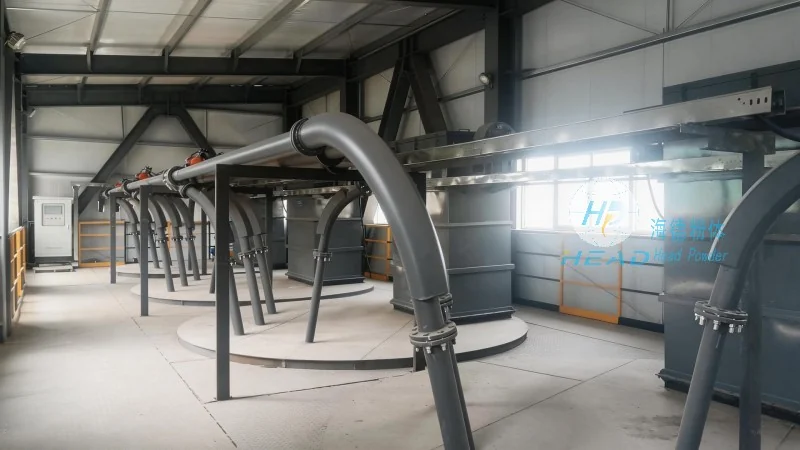
Pneumatic conveying, also known as air conveying, utilizes compressed air to transport materials through a pipeline system. This method is particularly advantageous for glass fiber cellulose due to its ability to handle fine powders and maintain material integrity. Unlike mechanical systems, pneumatic conveying minimizes direct contact between the material and equipment, reducing the risk of contamination or degradation. The system can be designed for both dilute phase (where particles are suspended in air) and dense phase (where particles are more concentrated) conveying, allowing for flexibility in handling different material properties.
Key Advantages of Pneumatic Conveying for Glass Fiber Cellulose
One of the most significant advantages of pneumatic conveying is its high efficiency in material transport. By using compressed air, the system can move glass fiber cellulose over long distances with minimal energy consumption compared to mechanical systems. This efficiency is further enhanced by the ability to integrate multiple conveying lines into a single system, improving overall workflow and reducing the need for multiple pieces of equipment. Additionally, pneumatic conveying offers excellent dust control, as the material is contained within the pipeline, preventing airborne dust from spreading and reducing the risk of health hazards for workers.
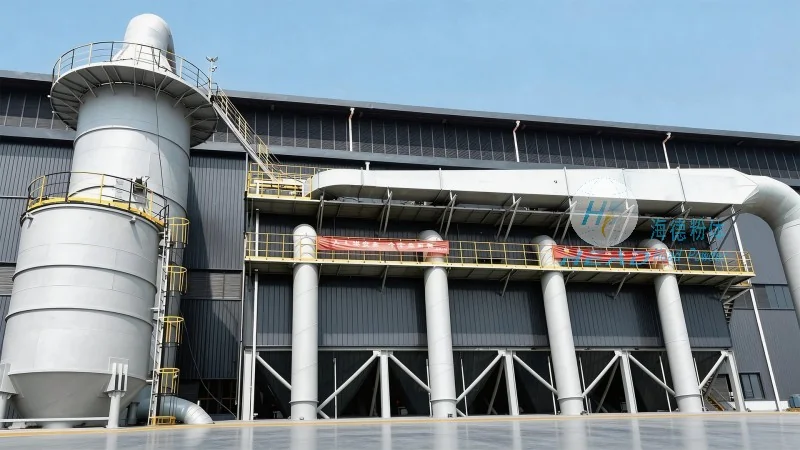
Environmental and Safety Benefits
Environmental considerations are increasingly important in material handling, and pneumatic conveying provides several benefits in this regard. The enclosed pipeline system prevents dust emissions, contributing to a cleaner working environment and compliance with environmental regulations. This is particularly beneficial for glass fiber cellulose, which can be a respiratory irritant if not handled properly. Furthermore, the lack of moving parts in the pipeline reduces the risk of mechanical failures, enhancing safety in the workplace. The system also allows for easy integration with dust collection and filtration systems, ensuring that any potential emissions are captured and treated before release.
Customization and Scalability
Pneumatic conveying systems can be customized to meet the specific needs of glass fiber cellulose applications. This includes adjusting the conveying velocity, pressure, and pipeline diameter to optimize material flow and prevent blockages. The modular design of these systems allows for easy expansion or modification as production needs change, making them suitable for both small-scale and large-scale operations. Companies like Shandong HeadPowder Engineering Co., Ltd. specialize in designing and manufacturing customized pneumatic conveying solutions tailored to the unique requirements of glass fiber cellulose handling, ensuring optimal performance and reliability.
Conclusion
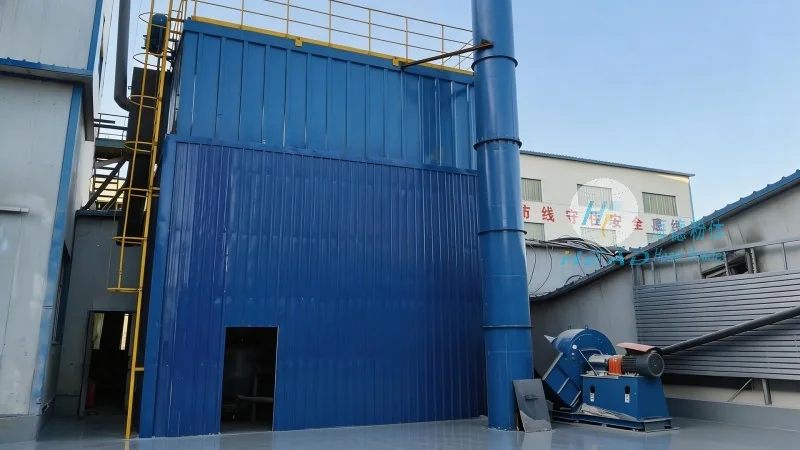
When considering the most effective conveying method for glass fiber cellulose, pneumatic conveying stands out as a superior choice due to its efficiency, material protection, and environmental benefits. By minimizing direct contact, controlling dust, and offering flexible design options, pneumatic systems provide a reliable solution for modern material handling. As the demand for glass fiber cellulose continues to grow, investing in advanced pneumatic conveying technology from reputable suppliers like Shandong HeadPowder Engineering Co., Ltd. can significantly enhance operational efficiency and product quality. The combination of technical expertise and customized solutions ensures that glass fiber cellulose is transported safely and effectively, supporting the success of various industrial applications.