Công ty TNHH Kỹ thuật Headpowder Sơn Đông chuyên vận chuyển khí nén bột và hạt. Nhờ thế mạnh hợp tác doanh nghiệp‑trường‑viện, chúng tôi cung cấp giải pháp vận chuyển kín, không bụi, độ chính xác cao.
When it comes to handling paper dust in industrial settings, selecting the right conveying method is crucial for efficiency, safety, and cost-effectiveness. Various techniques are available, each with its own advantages and applications. Understanding these options helps businesses choose the most suitable solution for their specific needs.
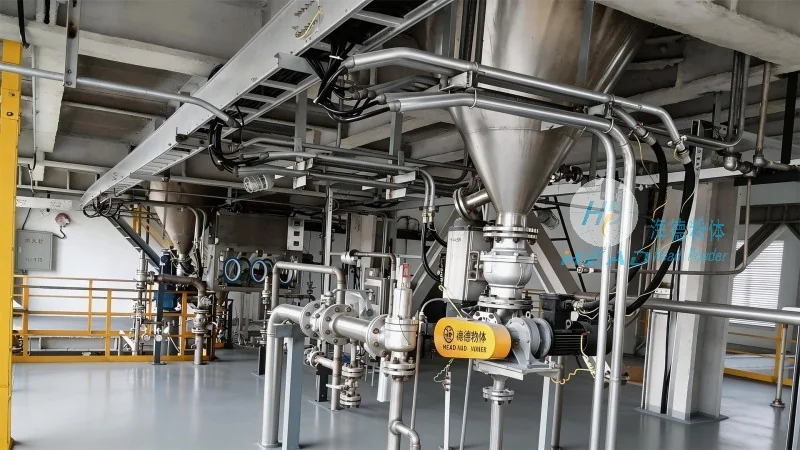
Pneumatic Conveying: A Detailed Look
Among the common methods for paper dust transport, pneumatic conveying stands out as a versatile and efficient solution. This technology uses air pressure or vacuum to move powders and fine particles, including paper dust, through a pipeline system. The process involves creating a flow of air that carries the material from the source to the destination, eliminating the need for mechanical components like belts or buckets in many cases.
For paper dust, pneumatic conveying offers several benefits. It can handle fine, dry particles without causing dust explosions, as the system is enclosed and controlled. This reduces the risk of fire hazards and environmental contamination. Additionally, the system is relatively compact and can be integrated into existing production lines, making it a flexible choice for various industrial applications.
Other Conveying Methods and Their Limitations
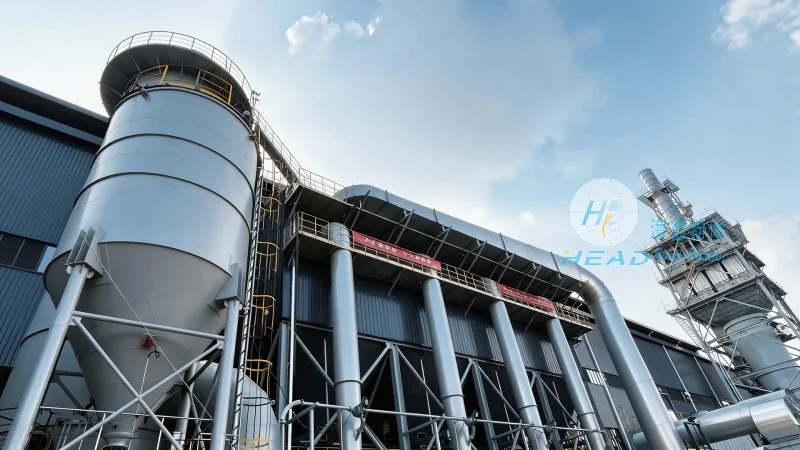
While pneumatic conveying is effective, other methods are also used for paper dust transport. For example, mechanical conveying systems such as belt conveyors or screw conveyors are common in some industries. These methods rely on physical contact between the material and the conveying equipment. However, they may not be as suitable for fine paper dust, as the particles can be easily lost or cause wear and tear on the equipment over time.
Another option is vacuum systems, which operate similarly to pneumatic conveying but use negative pressure to draw material into the pipeline. These systems are often used for short-distance transport or in applications where the material needs to be collected from multiple points. However, they may have lower capacity compared to positive pressure systems and can be more complex to maintain.
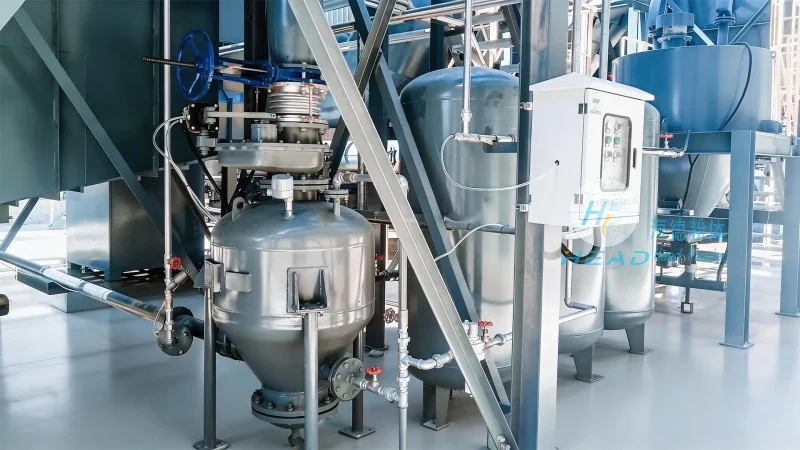
Key Considerations for Choosing a Conveying System
When selecting a paper dust conveying system, several factors need to be considered. The first is the particle size and moisture content of the paper dust. Fine particles may require more sophisticated systems to prevent clogging or loss. The second is the distance and layout of the transport route. Longer distances may necessitate more powerful systems or additional components like cyclones or filters. The third is the environmental and safety requirements. In environments where dust explosions are a risk, explosion-proof systems or inert gas systems may be necessary.
HeadPowder's Expertise in Pneumatic Conveying Solutions
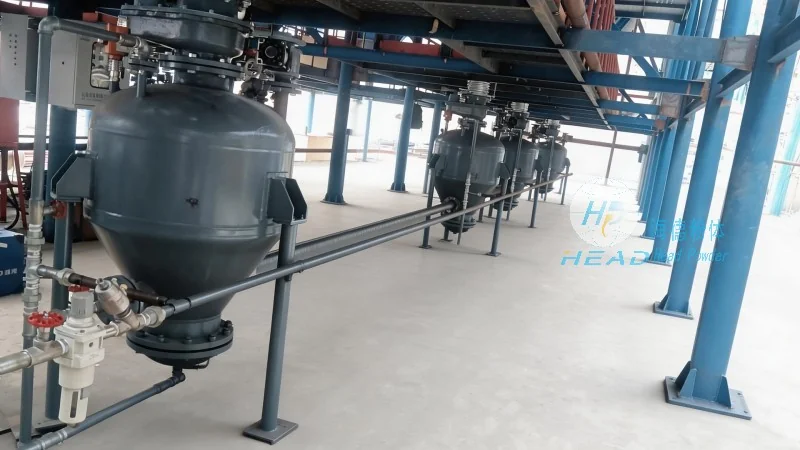
Shandong HeadPowder Engineering Co., Ltd., a leading provider of industrial conveying solutions, specializes in designing and manufacturing pneumatic conveying systems tailored to the needs of paper dust applications. With years of experience in the industry, HeadPowder understands the unique challenges of handling paper dust and offers customized solutions that ensure efficiency, reliability, and safety.
HeadPowder's systems are engineered to handle the specific characteristics of paper dust, including its fine particle size and potential for static electricity. The company uses high-quality materials and advanced technology to ensure that its systems are durable and long-lasting. Additionally, HeadPowder provides comprehensive support, including installation, maintenance, and technical assistance, to help clients optimize their conveying processes.

 Shandong Headpowder Engineering Co., Ltd.
 156-6277-7102(Quản lý Trương)
  0531-83386006
  Thành phố Tế Nam, Tỉnh Sơn Đông, Trung Quốc
Điện thoại
WeChatTư vấn
Lên đầu