

Common Coal Gangue Conveying Methods: An Introduction to Coal Gangue Pneumatic Conveying
Coal gangue, a byproduct of coal mining and processing, poses significant challenges in terms of transportation and handling. Efficient and reliable conveying methods are essential to manage this material safely and effectively. This article explores common coal gangue conveying methods, with a particular focus on the advantages and applications of pneumatic conveying systems.
Overview of Pneumatic Conveying for Coal Gangue
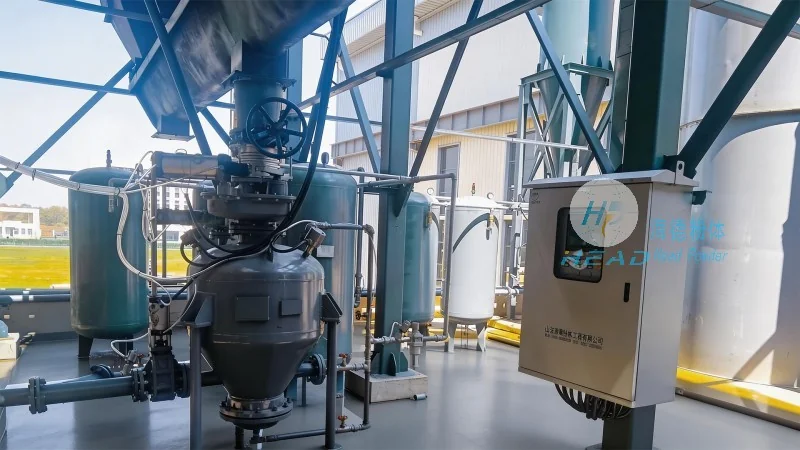
Pneumatic conveying, also known as air conveying, is a method that uses compressed air or gas to transport solid materials like coal gangue through a pipeline. This technology offers a non-contact, low-maintenance solution for moving bulk materials over long distances. Unlike traditional mechanical conveyors, pneumatic systems eliminate the need for moving parts at the material point, reducing wear and tear and minimizing the risk of material contamination.
Key Advantages of Pneumatic Conveying Systems
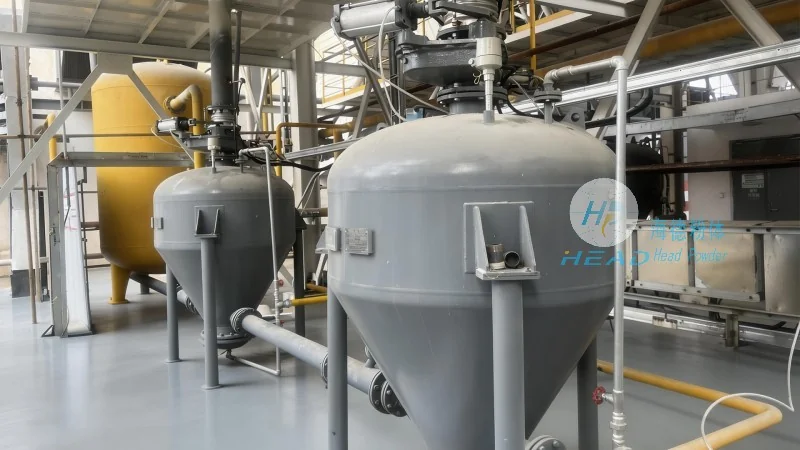
Several key advantages make pneumatic conveying an attractive option for coal gangue transportation. First, it provides a high degree of flexibility in system design, allowing for complex layouts and multiple delivery points. Second, the system can handle a wide range of particle sizes and moisture contents, making it suitable for various coal gangue compositions. Third, pneumatic conveyors offer excellent dust control, as the material is enclosed within the pipeline, preventing airborne dust and improving environmental compliance. Additionally, these systems are relatively low in maintenance, as they have fewer moving parts compared to mechanical conveyors, resulting in lower operational costs over time.
Technical Specifications and Applications
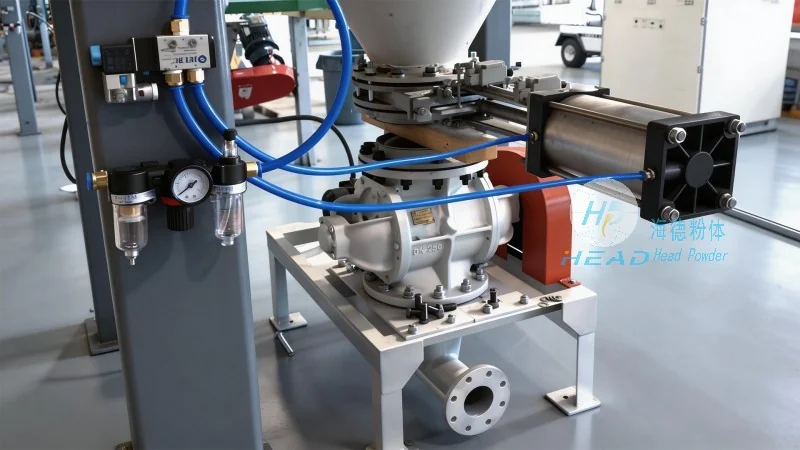
The performance of a pneumatic conveying system for coal gangue depends on several technical parameters. The system design typically includes a blower or compressor to generate the necessary air pressure, a hopper to store the material, and a pipeline network to transport it to the destination. The choice of pipeline material, such as stainless steel or plastic, is critical to prevent corrosion and material buildup. For coal gangue with high moisture content or abrasive properties, specialized materials and coatings may be required to ensure long-term system reliability. Applications of pneumatic conveying for coal gangue include transporting the material from mining sites to processing facilities, moving it between different processing stages, and delivering it to storage or disposal sites. The system can handle both dry and slightly wet coal gangue, adapting to the varying characteristics of the material.

Company Profile: Shandong HeadPowder Engineering Co., Ltd.
HeadPowder, a leading provider of industrial conveying solutions, specializes in designing and manufacturing advanced pneumatic conveying systems tailored to the needs of the coal industry. With years of experience in the field, the company has developed a reputation for delivering high-quality, reliable equipment that meets the stringent requirements of coal processing facilities. HeadPowder's team of engineers and technicians work closely with clients to understand their specific requirements, ensuring that the final system is optimized for efficiency, safety, and cost-effectiveness. The company's commitment to innovation and customer satisfaction has made it a trusted partner for coal gangue transportation projects across China and beyond.