Công ty TNHH Kỹ thuật Headpowder Sơn Đông chuyên vận chuyển khí nén bột và hạt. Nhờ thế mạnh hợp tác doanh nghiệp‑trường‑viện, chúng tôi cung cấp giải pháp vận chuyển kín, không bụi, độ chính xác cao.
Industrial alkali, such as caustic soda or sodium hydroxide, is a vital chemical in numerous manufacturing processes. The efficient transportation of these materials from storage to processing units is crucial for maintaining production efficiency and safety. This article examines common industrial alkali conveying methods, with a particular focus on pneumatic conveying systems, and highlights the expertise of Shandong HeadPowder Engineering Co., Ltd. in delivering advanced solutions for industrial chemical handling.
Introduction to Industrial Alkali Conveying
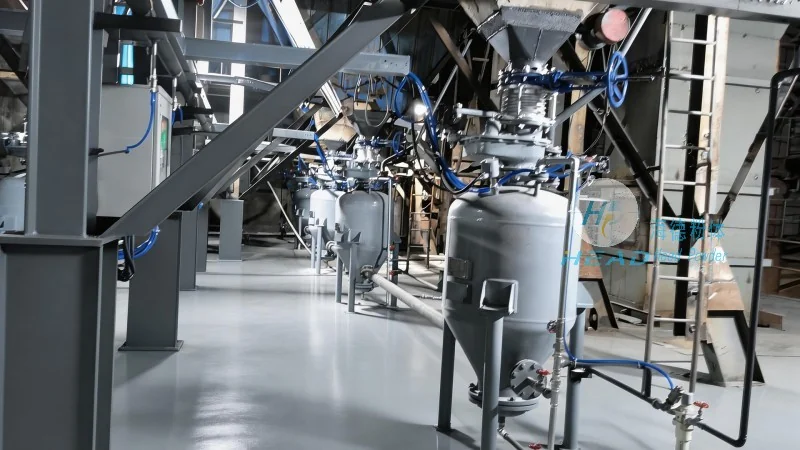
Industrial alkali substances like sodium hydroxide (caustic soda) are widely utilized in industries including chemical manufacturing, paper production, and water treatment. These chemicals are typically stored in bulk and must be transported to different parts of a facility for processing. Traditional methods such as manual handling or mechanical conveyors may not be adequate for large-scale operations due to limitations in speed, safety, and material integrity. Consequently, specialized conveying systems have been developed to address these challenges, with pneumatic conveying emerging as a preferred choice for many applications.
The Importance of Efficient Alkali Transportation in Industrial Applications
Efficient alkali transportation directly impacts the overall productivity and cost-effectiveness of industrial operations. Delays or inefficiencies in material handling can lead to production bottlenecks, increased labor costs, and potential safety hazards. For example, in chemical plants, the timely delivery of caustic soda to reactors is essential for maintaining reaction rates and preventing material degradation. Therefore, selecting the right conveying method is a critical decision that can significantly influence operational outcomes. The choice of system depends on factors such as the type of alkali, the distance to be conveyed, the required flow rate, and the environmental conditions of the facility.
Traditional Conveying Methods for Industrial Alkali
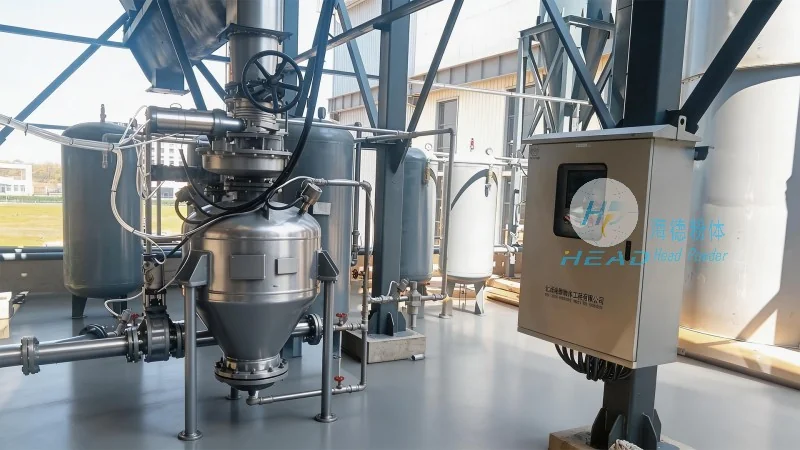
Before the development of advanced pneumatic systems, industrial alkali was often transported using traditional methods like belt conveyors, screw conveyors, and bucket elevators. These systems are effective for handling dry or semi-dry materials but have several drawbacks when applied to caustic soda. For instance, belt conveyors may suffer from material sticking or degradation due to the chemical's corrosive nature. Screw conveyors, while reliable, can cause excessive heat generation and material degradation, especially for high-viscosity alkali solutions. Bucket elevators, though capable of vertical transport, may not be suitable for large volumes or abrasive materials. These traditional methods, while still in use in some industries, are often less efficient and more labor-intensive compared to modern pneumatic solutions.
Pneumatic Conveying Systems for Industrial Alkali: A Detailed Overview
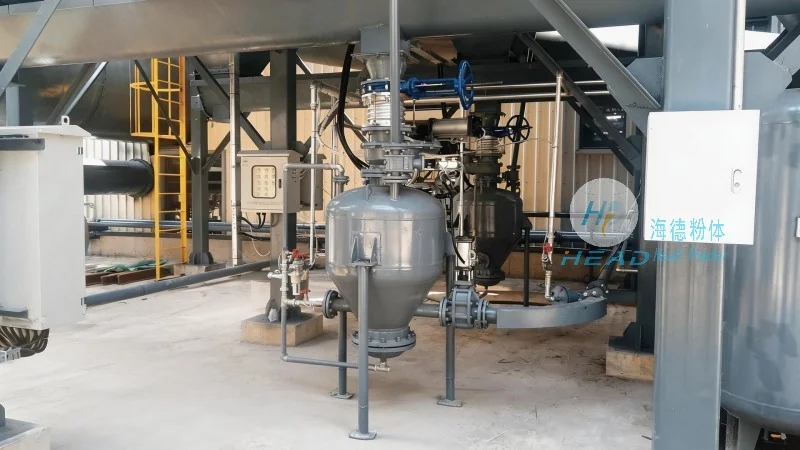
Pneumatic conveying, also known as air-pneumatic transport, is a method that uses compressed air to move bulk materials through a pipeline. This technology is particularly well-suited for transporting industrial alkali due to its ability to handle corrosive and abrasive materials while maintaining product integrity. There are two main types of pneumatic conveying systems: dilute-phase and dense-phase. Dilute-phase systems use low air velocity to transport materials in a dispersed state, suitable for short distances and low material loads. Dense-phase systems, on the other hand, use higher air pressure and lower velocity to move materials in a compacted state, ideal for longer distances and higher material loads. Both systems can be customized to meet specific operational requirements, making them versatile solutions for industrial alkali handling.
Key Advantages of Industrial Alkali Pneumatic Conveying
The adoption of pneumatic conveying systems for industrial alkali offers several key advantages over traditional methods. First, it provides a closed system, which minimizes exposure to environmental factors and reduces the risk of contamination or material loss. This is particularly important for caustic soda, which can be hazardous if released into the environment. Second, pneumatic systems offer high efficiency and speed, allowing for rapid material transfer between storage and processing units. This can lead to significant improvements in production throughput and reduced downtime. Third, these systems are highly flexible and can be easily integrated into existing industrial setups. They can handle a wide range of material properties, including different particle sizes, moisture content, and chemical compositions. Additionally, pneumatic conveying reduces labor costs by automating the material handling process, minimizing the need for manual intervention and associated safety risks.
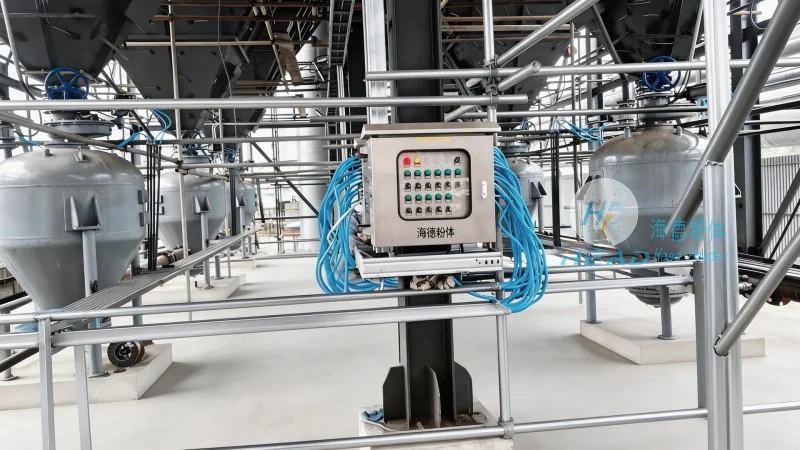
Application Scenarios and Industries Benefiting from Pneumatic Conveying
Pneumatic conveying systems are widely used in various industries that handle industrial alkali. In the chemical industry, these systems are employed to transport caustic soda from storage tanks to reactors, ensuring a continuous and controlled supply of the chemical. The paper industry utilizes pneumatic conveying for transporting sodium hydroxide to pulping and bleaching processes, where the chemical is used to break down wood fibers and improve paper quality. Water treatment facilities also benefit from pneumatic systems, as they efficiently convey alkali solutions for pH adjustment and water purification. Other industries, such as food processing and pharmaceuticals, may use pneumatic conveying for handling alkali-based cleaning agents or processing aids. The versatility of pneumatic conveying makes it a suitable solution for a broad range of applications, from small-scale laboratory operations to large-scale industrial plants.
Company Profile: Shandong HeadPowder Engineering Co., Ltd.
Shandong HeadPowder Engineering Co., Ltd., commonly known as HeadPowder, is a leading provider of industrial chemical handling solutions. With its headquarters located in Shandong, China, the company specializes in designing, manufacturing, and installing advanced pneumatic conveying systems for various bulk materials, including industrial alkali. HeadPowder has extensive experience in the chemical processing industry and understands the unique challenges associated with handling caustic and corrosive substances. The company's team of engineers and technicians work closely with clients to develop customized solutions that meet their specific operational needs, ensuring optimal performance and safety. HeadPowder's commitment to quality and innovation has made it a trusted partner for many industries seeking reliable and efficient alkali transportation systems. By leveraging advanced technology and a deep understanding of industrial processes, HeadPowder continues to deliver high-performance solutions that enhance productivity and reduce operational costs for its clients.

 Shandong Headpowder Engineering Co., Ltd.
 156-6277-7102(Quản lý Trương)
  0531-83386006
  Thành phố Tế Nam, Tỉnh Sơn Đông, Trung Quốc
Điện thoại
WeChatTư vấn
Lên đầu