

Common Chlorinated Polyethylene Conveying Methods: An Introduction to Chlorinated Polyethylene Pneum
Chlorinated polyethylene (CPE) is a versatile polymer widely used in various industrial applications due to its excellent chemical resistance, flexibility, and durability. When handling CPE in industrial settings, selecting the appropriate conveying method is crucial for ensuring efficient material transport, maintaining product quality, and minimizing operational costs. This article provides an overview of common CPE conveying methods, with a focus on the advantages and applications of pneumatic conveying, a popular technique for transporting CPE in bulk.
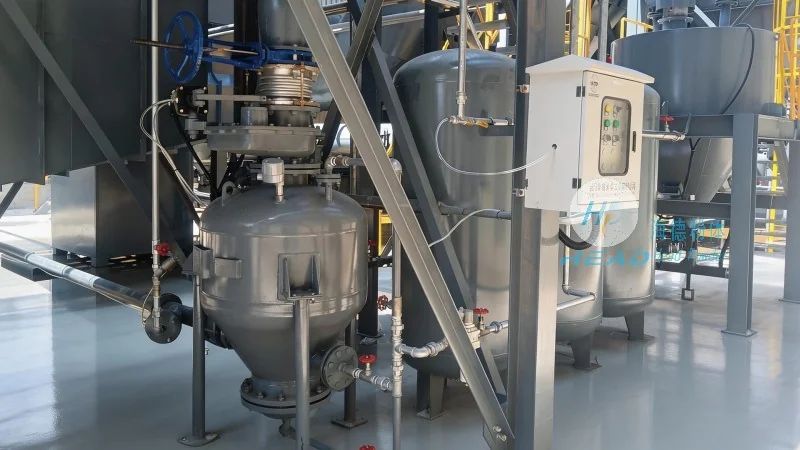
Understanding Chlorinated Polyethylene and Its Handling Requirements
Before delving into conveying methods, it's essential to understand the properties of chlorinated polyethylene that influence handling. CPE is typically produced in granular or pellet form, which requires specialized equipment to move from storage to processing units. The material's density, flow characteristics, and potential for static electricity are key factors that affect the choice of conveying system. For instance, CPE can be prone to bridging or caking in hoppers, making it necessary to use equipment that promotes uniform flow and prevents material buildup.
Common Conveying Methods for Chlorinated Polyethylene
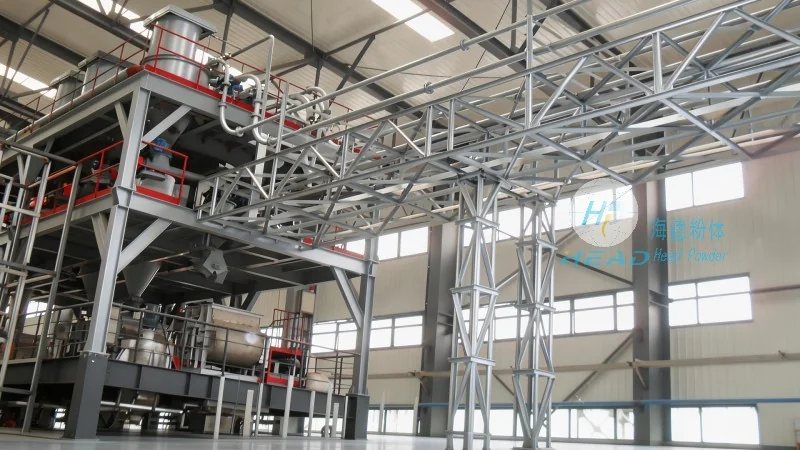
Several methods are employed for transporting CPE, including mechanical conveying (such as screw conveyors and belt conveyors) and pneumatic conveying. Mechanical systems are often used for short-distance or low-volume applications, while pneumatic conveying is preferred for longer distances, higher volumes, and applications requiring a closed system to maintain product integrity. Below, we explore the primary methods and their suitability for CPE handling.
Pneumatic Conveying: A Detailed Overview
Pneumatic conveying is a method that uses air or other gases to transport bulk materials through a pipeline system. This technique is particularly effective for CPE due to its ability to handle fine powders or pellets without the need for mechanical contact, which can reduce product degradation. There are two main types of pneumatic conveying: pressure and vacuum systems. Pressure systems use compressed air to push material through the pipeline, while vacuum systems use a vacuum to draw material from the source. For CPE, pressure systems are more commonly used as they offer better control over material flow and can handle higher material loads.
Advantages of Pneumatic Conveying for Chlorinated Polyethylene
Implementing pneumatic conveying for CPE offers several advantages that make it a preferred choice in many industries. First, it provides a closed system, which helps maintain the purity of the material by preventing contamination from external sources. This is critical for CPE, which is often used in applications where product quality is paramount, such as in the production of plastic films, coatings, and adhesives. Second, pneumatic conveying can handle varying material flow rates, allowing for flexible production processes. Third, the system is relatively compact and can be integrated into existing plant layouts, reducing installation costs and space requirements. Additionally, pneumatic conveying minimizes the risk of material spillage and dust generation, contributing to a safer working environment.
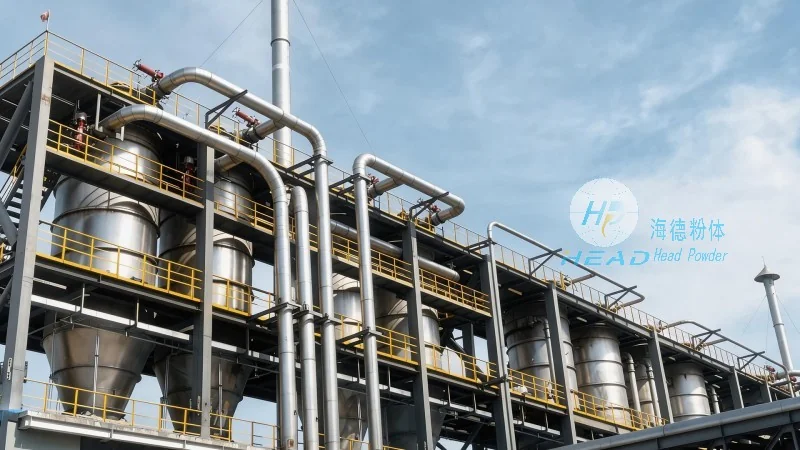
Key Components of a Pneumatic Conveying System for CPE
A typical pneumatic conveying system for CPE consists of several key components, each playing a vital role in the material transport process. These components include a hopper or feeder to store and meter the material, a conveyor line (usually made of stainless steel or other corrosion-resistant materials to prevent CPE from adhering to the pipe), a blower or compressor to generate the necessary air pressure, and a receiver or silo to collect the material at the destination. The hopper is often equipped with a vibratory feeder or a rotary valve to ensure consistent material flow, preventing blockages and maintaining system efficiency. The conveyor line may include features such as bends, expansion joints, and filters to handle changes in direction and to remove any air contaminants or material fines.
Applications of Pneumatic Conveying in CPE Processing
Pneumatic conveying is widely used in various stages of CPE processing, from raw material handling to finished product transport. In the manufacturing of CPE granules, for example, pneumatic systems are used to move the material from storage silos to extrusion lines or mixing equipment. This ensures a continuous and controlled supply of CPE, which is essential for maintaining consistent product quality. In the production of CPE-based products, such as plastic films or coatings, pneumatic conveying is used to transport the material from the processing unit to storage tanks or packaging areas. The closed system of pneumatic conveying helps maintain the material's properties, preventing exposure to moisture or other environmental factors that could affect its performance.
Considerations for Selecting a Conveying System for CPE
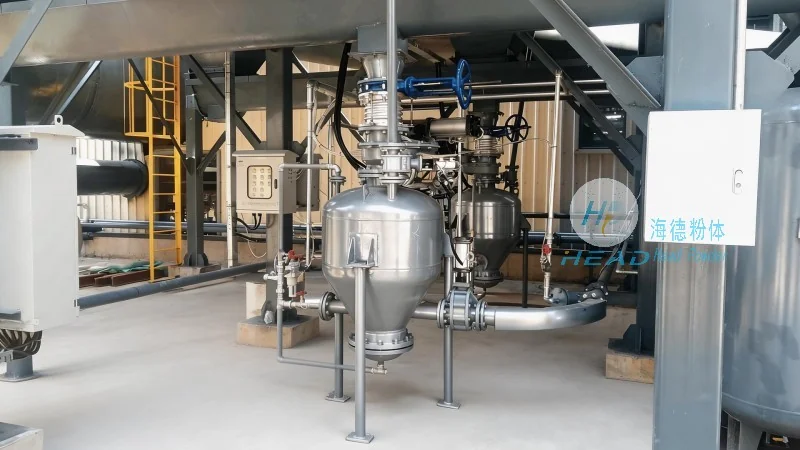
When choosing a conveying system for CPE, several factors must be considered to ensure optimal performance and cost-effectiveness. First, the distance and volume of material to be transported are critical. For short distances and low volumes, mechanical conveyors may be sufficient, but for longer distances or higher volumes, pneumatic conveying is often more efficient. Second, the material's flow characteristics, such as its angle of repose and cohesion, must be evaluated to determine the appropriate hopper design and feeder type. Third, the system's ability to handle variations in material moisture content or temperature is important, as these factors can affect the material's flowability and the system's efficiency. Fourth, the need for a closed system to maintain product purity and prevent dust emissions should be considered, especially in applications where CPE is used in food or pharmaceutical industries.
Conclusion: Choosing the Right Conveying Method for Chlorinated Polyethylene
In conclusion, selecting the appropriate conveying method for chlorinated polyethylene is essential for ensuring efficient and cost-effective material transport. While mechanical conveying is suitable for certain applications, pneumatic conveying offers significant advantages, particularly in terms of product integrity, system flexibility, and environmental control. By understanding the properties of CPE and the capabilities of different conveying systems, manufacturers can make informed decisions that optimize their production processes and maintain the quality of their products. As a leading provider of engineering solutions for bulk material handling, Shandong HeadPowder Engineering Co., Ltd. specializes in designing and manufacturing customized conveying systems tailored to the specific needs of CPE processing plants, ensuring reliable and efficient material transport for their clients.