

How to Design a Reasonable Silica Powder Pneumatic Conveying System Plan?
When designing a pneumatic conveying system for silica powder, it is crucial to consider several key factors to ensure efficiency, reliability, and cost-effectiveness. Silica powder, with its fine particle size and specific physical properties, requires a well-engineered system to handle its unique characteristics. This article outlines the essential steps and considerations for developing a reasonable plan for such a system, presented by Shandong HeadPowder Engineering Co., Ltd., a leading provider in the field.
Key Factors Influencing System Selection
The first step in designing a silica powder pneumatic conveying system is determining the appropriate system type. Two primary categories exist: positive pressure and negative pressure systems. Positive pressure systems use a blower or compressor to force air through the pipeline, pushing the powder along. Negative pressure systems, conversely, use a vacuum to draw the powder into the system. For silica powder, which is often sensitive to pressure fluctuations and can cause clogging, positive pressure systems are generally preferred due to their ability to maintain consistent pressure and reduce the risk of particle degradation. However, the choice ultimately depends on the specific application, including the distance of material transport, the required flow rate, and the available space for equipment installation.
System Components and Their Role
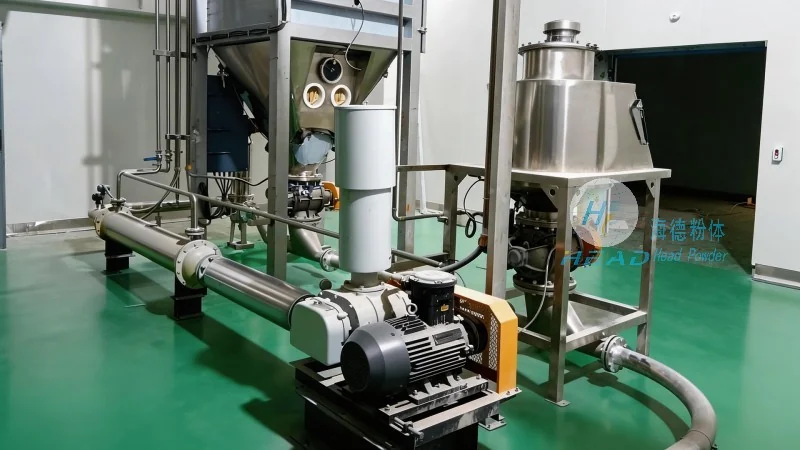
A pneumatic conveying system for silica powder typically consists of several core components, each playing a critical role in the overall operation. The primary components include a material feeder, a conveying line, a gas source (blower or compressor), and a dust collection system. The material feeder is responsible for introducing the silica powder into the system at a controlled rate, preventing overloading and ensuring a steady flow. For fine powders like silica, a rotary valve or a screw feeder is commonly used to maintain a consistent feed rate and minimize particle segregation. The conveying line, usually made of stainless steel or other corrosion-resistant materials, must be designed to handle the abrasive nature of silica powder and prevent blockages. The gas source provides the necessary air pressure to move the powder through the pipeline; a high-efficiency blower is often preferred for its ability to deliver consistent airflow without excessive noise or energy consumption. Finally, a dust collection system is essential to capture any particles that may escape the conveying line, ensuring compliance with environmental regulations and maintaining a clean working environment.
Design Considerations for Silica Powder Characteristics
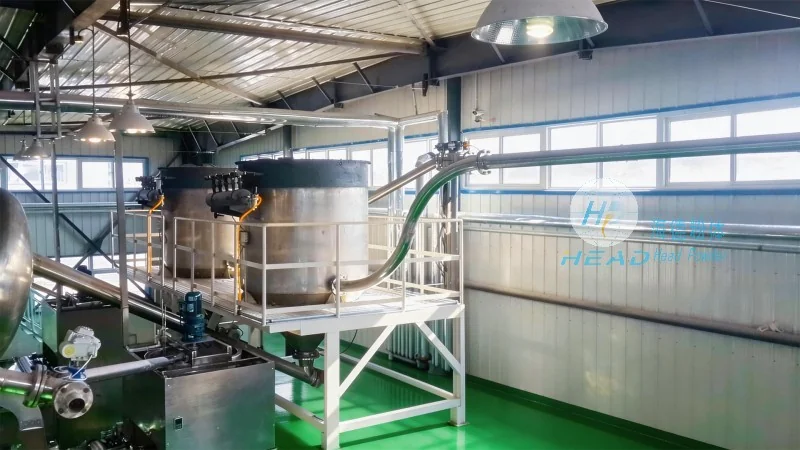
Silica powder has distinct physical properties that must be accounted for during system design. The fine particle size (typically 1-100 microns) makes it prone to aggregation and clogging, which can significantly impact system performance. To mitigate this, the system design should include features such as in-line mixers or pulse jets to break up agglomerates and maintain a uniform flow. Additionally, silica powder is often hygroscopic, meaning it can absorb moisture from the air, which may affect its flowability and cause blockages. Therefore, the system should be designed to minimize exposure to ambient air and maintain a dry environment, possibly incorporating a dehumidifier or desiccant in the gas source. The density and bulk density of silica powder also influence the required airflow and pressure, as higher density materials require more force to convey. Engineers must calculate the appropriate air velocity and pressure based on these properties to ensure the powder is transported efficiently without excessive energy consumption.
System Sizing and Flow Rate Calculations
Accurately sizing the pneumatic conveying system is critical to avoid underperformance or excessive energy costs. The flow rate of silica powder through the system is determined by several factors, including the required material handling capacity, the distance of transport, and the system pressure. Engineers use empirical formulas and data from similar applications to estimate the required air velocity and pressure. For example, the air velocity in the pipeline should be maintained above the minimum fluidization velocity of the silica powder to prevent particle settling and clogging. This velocity is typically calculated based on the particle size distribution and density of the powder. The pressure drop along the conveying line is another key consideration, as it directly impacts the energy consumption of the gas source. Proper sizing of the blower or compressor ensures that the system operates at the optimal pressure, minimizing energy waste and extending equipment lifespan.
Installation and Maintenance Guidelines
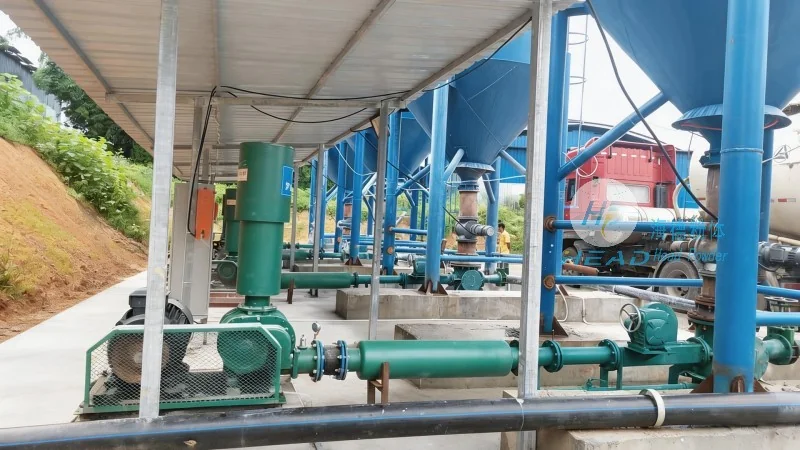
Proper installation and regular maintenance are essential to ensure the long-term reliability of a silica powder pneumatic conveying system. During installation, it is important to follow the manufacturer's guidelines for pipe routing, ensuring that the system is laid out to minimize bends and changes in direction, which can cause pressure losses and particle accumulation. The use of smooth, corrosion-resistant materials for the conveying line is critical to prevent wear and tear from the abrasive silica powder. Regular maintenance should include routine checks of the material feeder, gas source, and dust collection system. The rotary valve or screw feeder should be inspected for wear and replaced as needed to maintain consistent feed rates. The blower or compressor should be checked for proper airflow and pressure, with filters and seals replaced to prevent contamination and energy loss. The dust collection system should be cleaned regularly to prevent clogging and ensure effective filtration. By following these guidelines, the system can operate efficiently and reliably for extended periods, minimizing downtime and maintenance costs.
Conclusion and Company Overview
Designing a reasonable pneumatic conveying system for silica powder requires a comprehensive understanding of the material's properties, system components, and operational requirements. By carefully considering the system type, components, and design factors outlined in this article, engineers can develop a system that meets the specific needs of their application. Shandong HeadPowder Engineering Co., Ltd. specializes in providing customized solutions for pneumatic conveying systems, leveraging years of experience and expertise to deliver efficient and reliable systems for silica powder handling. With a focus on quality and customer satisfaction, the company offers tailored designs that address the unique challenges of silica powder, ensuring optimal performance and long-term success for its clients.