

How to Design a Reasonable Micronized Sand Powder Pneumatic Conveying System Plan?
When it comes to the efficient and reliable transportation of micronized sand powder, selecting the right pneumatic conveying system is crucial. A well-designed system not only ensures optimal material handling but also minimizes operational costs and enhances overall process efficiency. This article will explore the key considerations and steps involved in designing a reasonable micronic sand powder pneumatic conveying system, with a focus on the expertise and solutions provided by Shandong HeadPowder Engineering Co., Ltd., a leading company in the field.
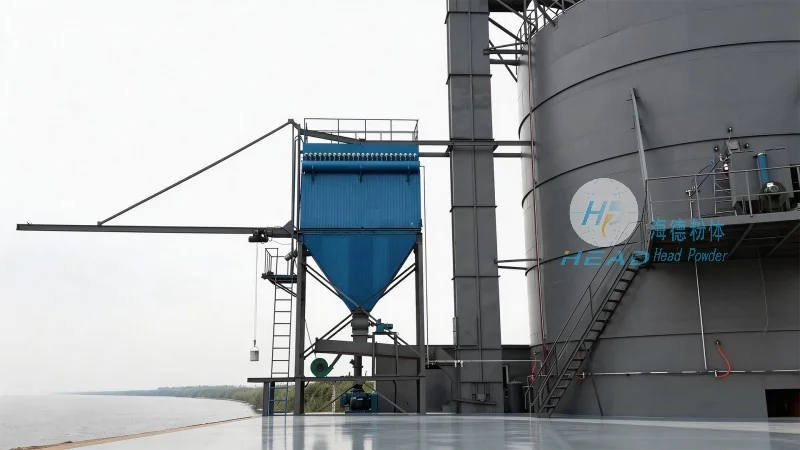
Understanding the Core Requirements for Micronized Sand Powder Conveying
Before diving into the design process, it's essential to understand the specific characteristics of micronized sand powder and the operational demands of the application. Micronized sand powders are typically fine particles with high density and potential for static electricity, which can significantly impact the choice of conveying system. Factors such as the material's flowability, moisture content, and the required conveying distance and capacity must be carefully evaluated. These parameters directly influence the selection of the conveying method—whether it's a dilute-phase or dense-phase system—and the components needed for effective operation.
Key Design Elements and Components
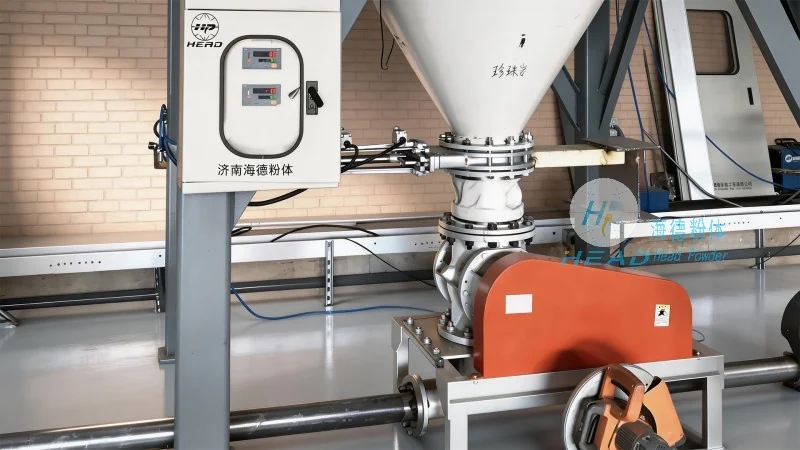
The design of a pneumatic conveying system for micronized sand powder involves several critical components that work in tandem to ensure smooth material transport. The primary elements include the material hopper or feeder, which is responsible for feeding the powder into the system, often equipped with a rotary valve or screw feeder to maintain a consistent flow rate. The conveying line itself, typically made of stainless steel or other corrosion-resistant materials, is designed to handle the abrasive nature of the sand particles and prevent blockages. For micronized powders, the use of a positive displacement blower or a high-pressure air compressor is common, as these can generate the necessary pressure to move the fine particles through the system without excessive wear. Additionally, the system may include a filter or cyclone separator to capture any fine particles that escape the conveying line, ensuring compliance with environmental regulations and maintaining a clean working environment.
System Sizing and Flow Rate Considerations
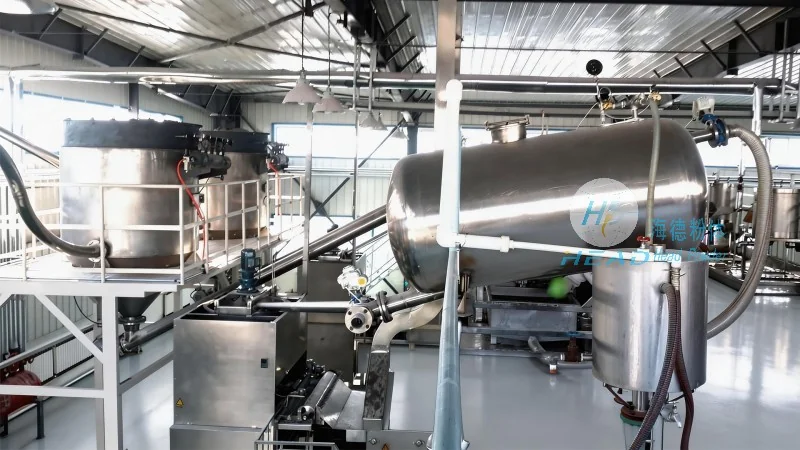
Accurately determining the system's capacity and flow rate is a critical step in the design process. This involves calculating the required air volume and pressure based on the material's bulk density, particle size distribution, and the desired conveying velocity. For micronized sand powders, a higher air velocity is often required to prevent particle settling and ensure uniform flow. However, excessive air velocity can lead to increased energy consumption and wear on system components. Therefore, a balanced approach is necessary, where the air velocity is optimized to achieve the desired conveying efficiency while minimizing operational costs. Shandong HeadPowder Engineering Co., Ltd. employs advanced computational fluid dynamics (CFD) and material flow analysis to precisely model the system's performance, allowing for the selection of the most suitable equipment and ensuring optimal operation under various conditions.
Material Handling and Process Integration
Integrating the pneumatic conveying system with the overall production process is another key aspect of the design. The system must be compatible with existing equipment, such as storage silos, processing units, and packaging machinery, to ensure seamless material flow from source to destination. This may involve designing custom connections or adapters to facilitate smooth transitions between different equipment. Additionally, the system should be designed to handle variations in material feed rates, such as fluctuations in production output or changes in material properties over time. This flexibility is essential for maintaining consistent process performance and minimizing downtime. Shandong HeadPowder Engineering Co., Ltd. specializes in customizing pneumatic conveying solutions to meet the specific needs of their clients, ensuring that the system integrates seamlessly with existing infrastructure and supports the overall production goals.
Maintenance and Operational Considerations
Proper maintenance and operational guidelines are vital for the long-term reliability and efficiency of a pneumatic conveying system. Regular cleaning of the conveying line, filter, and other components is necessary to prevent the buildup of dust and debris, which can reduce system performance and increase the risk of blockages. The use of appropriate lubricants and protective coatings on moving parts can extend the lifespan of the equipment and reduce maintenance costs. Additionally, monitoring system parameters such as air pressure, flow rate, and temperature can help identify potential issues before they escalate into major problems. Shandong HeadPowder Engineering Co., Ltd. provides comprehensive maintenance services and operational support to their clients, ensuring that the system operates at peak efficiency and minimizing the need for costly repairs or downtime.
Case Studies and Real-World Applications
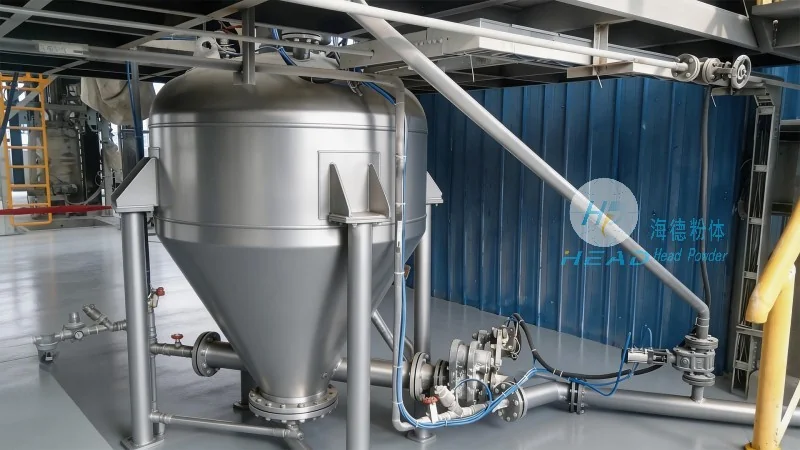
Shandong HeadPowder Engineering Co., Ltd. has successfully implemented numerous pneumatic conveying systems for micronized sand powder in various industries, including construction, manufacturing, and chemical processing. These case studies highlight the effectiveness of their customized solutions in improving material handling efficiency and reducing operational costs. For example, one client, a construction materials manufacturer, was able to increase their production capacity by 20% by implementing a new pneumatic conveying system designed by HeadPowder. The system's ability to handle high volumes of micronized sand powder at a consistent rate enabled the client to meet increased demand without expanding their facility. Another client, a chemical processing company, benefited from the system's ability to transport fine powders without generating dust, improving workplace safety and compliance with environmental regulations. These success stories demonstrate the practical benefits of a well-designed pneumatic conveying system and the expertise of Shandong HeadPowder Engineering Co., Ltd. in delivering tailored solutions for their clients.
Conclusion and Next Steps
Designing a reasonable micronic sand powder pneumatic conveying system requires a thorough understanding of the material properties, operational requirements, and available technologies. By carefully evaluating the key design elements, system sizing, and integration with existing processes, companies can achieve efficient and reliable material handling. Shandong HeadPowder Engineering Co., Ltd. offers comprehensive expertise and customized solutions to help clients design and implement effective pneumatic conveying systems for their micronized sand powder applications. Whether you are a new or existing client, HeadPowder can provide the guidance and support needed to optimize your material handling processes and improve overall operational efficiency.