

How to Design a Reasonable Talc Powder Pneumatic Conveying System Plan
When it comes to handling talc powder efficiently, the design of a pneumatic conveying system is crucial. A well-designed system ensures smooth material transport, reduces operational costs, and minimizes downtime. This article will explore the key factors and considerations for designing a reliable talc powder pneumatic conveying system, with insights from Shandong HeadPowder Engineering Co., Ltd., a leading provider in the field.
Understanding Talc Powder Characteristics for System Design
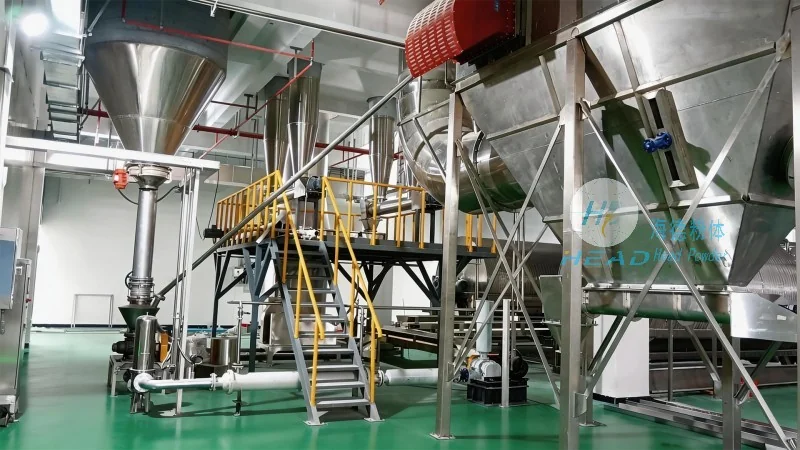
Talc powder, known for its softness and high bulk density, presents unique challenges in pneumatic conveying. Its particle size distribution, moisture content, and flowability directly impact the system's performance. For instance, fine talc particles may cause clogging in standard pipelines, while high moisture levels can lead to material agglomeration. Therefore, a thorough analysis of talc powder properties is the first step in designing an effective system. HeadPowder engineers conduct comprehensive material testing to determine the optimal conveying parameters, ensuring the system is tailored to the specific characteristics of the talc powder being handled.
Choosing the Right Pneumatic Conveying System Type
There are two primary types of pneumatic conveying systems: positive pressure and negative pressure. The choice depends on the application, material properties, and system layout. Positive pressure systems use a blower to push air and material through the pipeline, making them suitable for long-distance or high-pressure applications. Negative pressure systems, on the other hand, use a vacuum to draw material into the system, which is ideal for short-distance or low-pressure scenarios. For talc powder, positive pressure systems are often preferred due to their ability to handle fine particles and prevent material degradation. HeadPowder recommends evaluating the system's capacity, distance, and environmental requirements to select the most appropriate type.
Key Components and Design Considerations
A pneumatic conveying system consists of several critical components, each playing a vital role in the overall performance. These include the material feed hopper, conveyor line, air source (blower or vacuum pump), and control system. The design of each component must be carefully considered to ensure efficiency and reliability. For example, the feed hopper should be designed to prevent material bridging and ensure consistent material flow. The conveyor line's diameter and length are critical factors that affect pressure drop and energy consumption. HeadPowder engineers use advanced computational fluid dynamics (CFD) simulations to optimize the pipeline design, minimizing pressure losses and maximizing material transport efficiency.
Material Handling and Process Integration
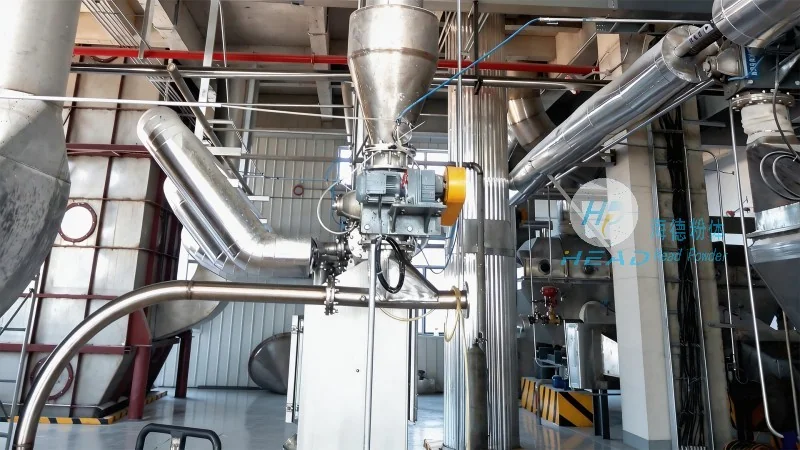
Integrating the pneumatic conveying system with the existing production process is essential for seamless operation. This involves coordinating with other equipment such as mixers, classifiers, and storage silos. The system must be able to handle the talc powder at various stages of the production line, from raw material feeding to final product packaging. HeadPowder provides comprehensive process integration services, ensuring that the conveying system aligns with the client's production goals and operational requirements. This includes designing interfaces for material transfer between different equipment and implementing control strategies to maintain consistent material flow rates.
Energy Efficiency and Environmental Compliance
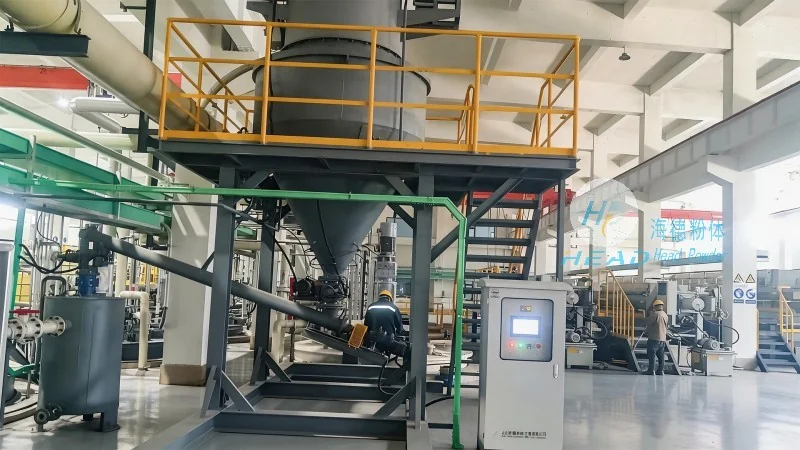
Modern pneumatic conveying systems prioritize energy efficiency and environmental compliance. HeadPowder designs systems that minimize energy consumption while adhering to environmental regulations. This includes selecting high-efficiency blowers, optimizing pipeline design to reduce pressure drop, and implementing dust collection systems to control emissions. For talc powder, which is often handled in large quantities, energy savings can significantly impact operational costs. HeadPowder's engineers incorporate energy-saving features such as variable frequency drives (VFDs) to adjust air flow based on demand, reducing unnecessary energy consumption. Additionally, the system is designed to meet local environmental standards, ensuring compliance with regulations regarding dust emissions and noise levels.
Installation, Maintenance, and Support
Proper installation and regular maintenance are crucial for the long-term performance of a pneumatic conveying system. HeadPowder offers complete installation services, including site assessment, equipment installation, and system commissioning. Our team of experienced technicians ensures that the system is installed according to industry best practices, minimizing the risk of operational issues. Regular maintenance is also essential to prevent system downtime and extend the equipment's lifespan. HeadPowder provides comprehensive maintenance services, including routine inspections, component replacement, and troubleshooting. Our technicians are trained to handle various system issues, from clogging to air leaks, ensuring quick resolution and minimal disruption to production. Additionally, we offer technical support and training to our clients, empowering them to operate and maintain the system effectively.
Conclusion
Designing a reasonable talc powder pneumatic conveying system requires a thorough understanding of material properties, system requirements, and operational goals. By considering factors such as system type, component design, process integration, energy efficiency, and maintenance, companies can achieve efficient and reliable material transport. Shandong HeadPowder Engineering Co., Ltd. specializes in designing and implementing high-quality pneumatic conveying systems tailored to the unique needs of talc powder handling. With our expertise and commitment to quality, we help clients optimize their production processes, reduce costs, and enhance overall operational efficiency.