

How to Design a Reasonable Quartz Sand Powder Pneumatic Conveying System Plan?
When it comes to transporting quartz sand powder efficiently and safely, a well-designed pneumatic conveying system is crucial. The process of designing such a system requires careful consideration of various factors to ensure optimal performance, reliability, and cost-effectiveness. This article will guide you through the key steps and considerations for designing a reasonable quartz sand powder pneumatic conveying system, with a focus on practical solutions tailored to the specific needs of your operation.
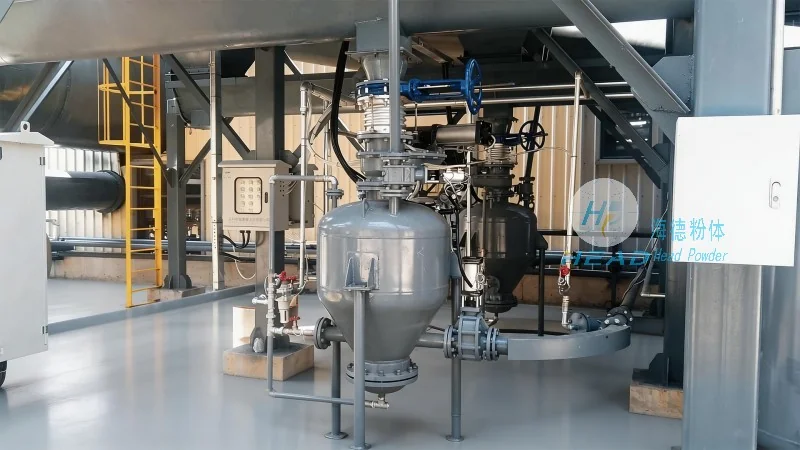
Understanding the Core Requirements for Quartz Sand Powder Conveying
Before diving into the design specifics, it's essential to understand the unique characteristics of quartz sand powder and the operational demands of your facility. Quartz sand, a common industrial material, often presents challenges such as variable particle size, moisture content, and flowability. These factors directly impact the choice of conveying system type, equipment selection, and system configuration. A thorough analysis of the material properties and process requirements is the foundation for a successful design.
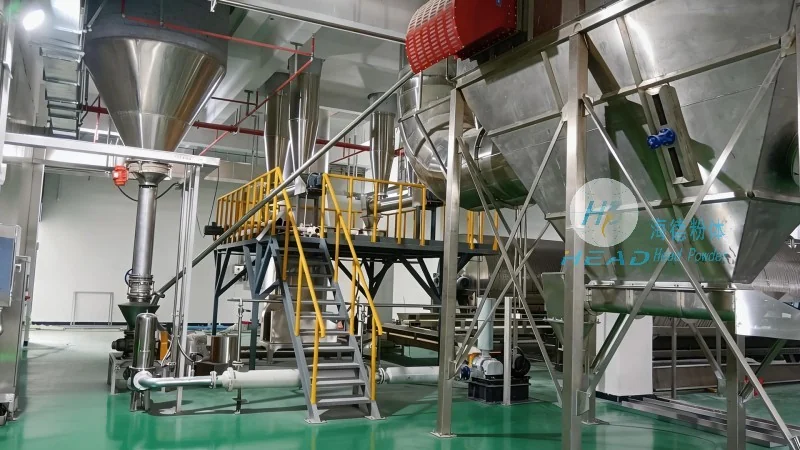
Key Design Considerations for Pneumatic Conveying Systems
Several critical factors must be evaluated during the design phase to ensure the system meets performance expectations. First, the system's capacity and flow rate are determined based on the production volume and material throughput requirements. This involves calculating the required air volume and pressure to move the quartz sand powder from the source to the destination. Second, the system's layout and configuration are influenced by the plant layout, distance between the source and destination, and any obstacles or restrictions in the facility. The choice between positive pressure, negative pressure, or mixed pressure systems depends on these layout considerations and the material's characteristics. Third, the equipment selection, including the air compressor, feeder, pipeline, and receiver, must be matched to the material's properties and the system's performance requirements. For quartz sand powder, which can be abrasive, the selection of wear-resistant materials for the pipeline and equipment is vital to extend the system's lifespan and reduce maintenance costs.

System Components and Their Roles in Quartz Sand Powder Conveying
A pneumatic conveying system for quartz sand powder typically consists of several key components, each playing a crucial role in the overall operation. The air compressor is the heart of the system, providing the necessary pressure and volume of air to transport the material. The feeder is responsible for feeding the quartz sand powder into the pipeline at a consistent rate, ensuring a smooth and continuous flow. The pipeline system, which may include straight sections, bends, and fittings, conveys the material and air mixture from the source to the destination. The receiver, or hopper, collects the conveyed material and may include features such as a discharge valve or a dust collection system to prevent material loss and maintain air quality. In addition to these primary components, auxiliary equipment such as filters, silencers, and pressure regulators may be required to ensure the system operates efficiently and safely.
Design Process and Best Practices for Quartz Sand Powder Systems
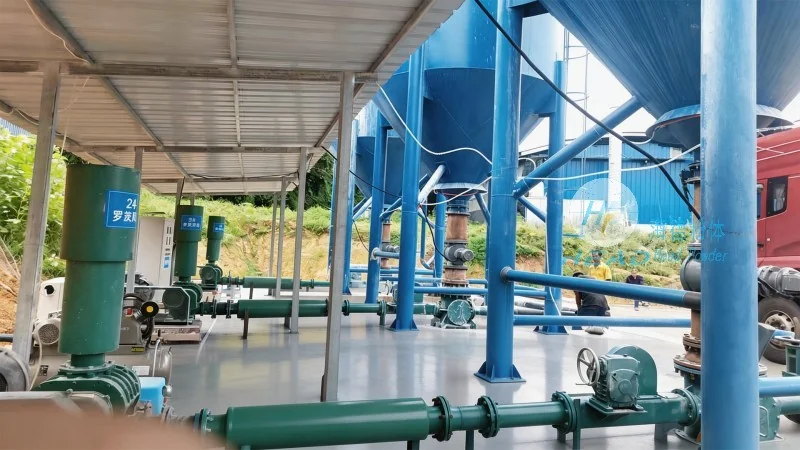
The design process for a quartz sand powder pneumatic conveying system involves several steps to ensure a comprehensive and effective solution. First, a detailed material analysis is conducted to determine the particle size distribution, moisture content, and flowability of the quartz sand powder. This information is used to select the appropriate system type and equipment. Second, the system's capacity and flow rate are calculated based on the production requirements and material properties. Third, the system layout is determined, considering the plant layout, distance, and any obstacles. Fourth, the equipment is selected based on the calculated parameters and material characteristics. Fifth, the system is sized and configured, including the pipeline diameter, air pressure, and equipment specifications. Throughout the design process, it's important to follow best practices, such as using wear-resistant materials for abrasive materials like quartz sand, ensuring proper maintenance and monitoring of the system, and considering the environmental impact of the system, including dust control and air quality management.
About Shandong HeadPowder Engineering Co., Ltd.
Shandong HeadPowder Engineering Co., Ltd., commonly known as HeadPowder, is a leading provider of pneumatic conveying systems and related engineering solutions for industrial applications. With years of experience in the industry, HeadPowder specializes in designing and manufacturing custom pneumatic conveying systems tailored to the specific needs of clients. The company's team of engineers and technicians is dedicated to providing high-quality, reliable, and efficient solutions for material handling challenges. HeadPowder's commitment to quality and customer satisfaction has made it a trusted partner for many industrial facilities, helping them improve their operational efficiency and reduce costs. The company's headquarters is located in Shandong, China, where it continues to innovate and develop new solutions for the material handling industry.