

How to Design a Reasonable Ammonium Bicarbonate Pneumatic Conveying System Plan?
When designing an efficient and reliable ammonium bicarbonate pneumatic conveying system, several critical factors must be considered to ensure optimal performance and minimal operational issues. The system's design directly impacts its ability to handle the unique properties of ammonium bicarbonate, a widely used chemical in agricultural and industrial applications. A well-designed system not only enhances material handling efficiency but also reduces maintenance costs and environmental impact. In this context, the expertise of specialized engineering firms, such as Shandong HeadPowder Engineering Co., Ltd. (referred to as HeadPowder), becomes invaluable. HeadPowder, a leading provider in the field, leverages decades of experience to develop tailored solutions that meet the specific needs of clients.
Key Design Considerations for Ammonium Bicarbonate Pneumatic Conveying
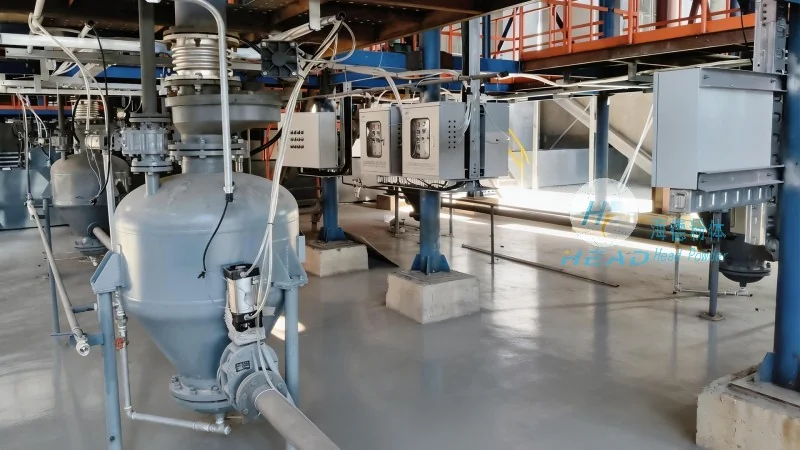
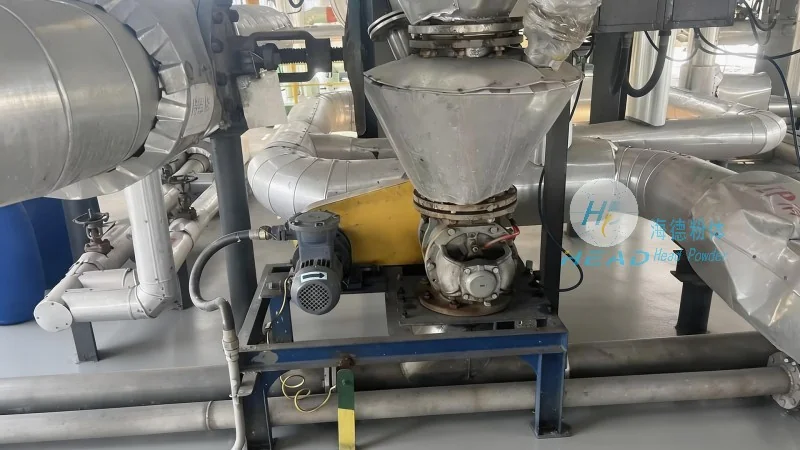
The first step in designing a pneumatic conveying system for ammonium bicarbonate is to analyze the material's physical and chemical characteristics. Ammonium bicarbonate is a fine, granular solid with a relatively low bulk density and a tendency to agglomerate under certain conditions. These properties influence the choice of system type, as different conveying methods (e.g., positive pressure, negative pressure, or mixed pressure) have varying suitability for handling such materials. For instance, positive pressure systems are often preferred for long-distance or high-capacity applications due to their ability to maintain consistent air flow and prevent material settling in the pipeline. In contrast, negative pressure systems may be more suitable for short-distance or low-volume transfers, as they minimize dust emissions and reduce the risk of material contamination. The selection of the appropriate system type is a critical decision that directly affects the system's efficiency and cost-effectiveness.
System Components and Equipment Selection
Once the system type is determined, the next phase involves selecting the appropriate components and equipment. This includes the air compressor, which must be capable of delivering the required air volume and pressure at a stable rate. For positive pressure systems, high-pressure compressors are typically used, while negative pressure systems may employ vacuum pumps or fan systems. The choice of compressor type depends on factors such as the system's capacity, the distance of material transport, and the desired air velocity. Additionally, the pipeline design is crucial, as it must be constructed from materials that are resistant to corrosion and chemical reactions with ammonium bicarbonate. Common materials include stainless steel, polyethylene, or special coatings that prevent material buildup and ensure smooth flow. The diameter and length of the pipeline are also critical, as they directly impact the air velocity and pressure drop, which in turn affect the system's performance. Proper sizing of the pipeline ensures that the air velocity remains within the optimal range (typically 20-30 m/s for fine powders) to prevent material deposition and maintain consistent conveying efficiency.
Gas-Solid Ratio and Flow Control
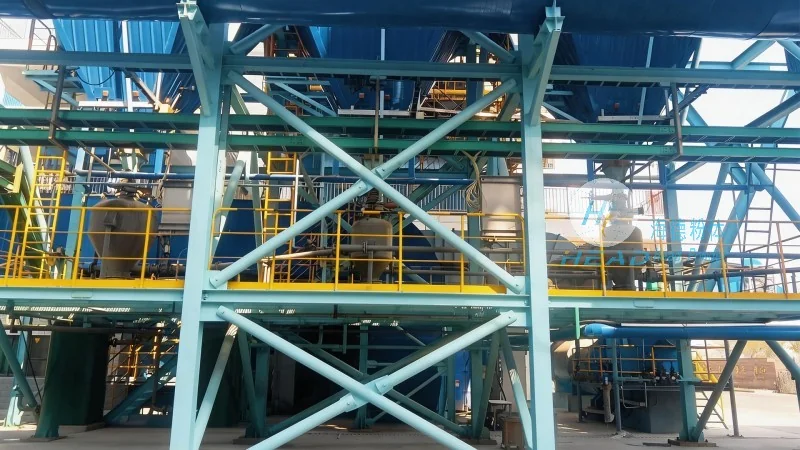
The gas-solid ratio, which is the ratio of air volume to material volume, is a key parameter in pneumatic conveying systems. For ammonium bicarbonate, an optimal gas-solid ratio is essential to achieve efficient transport without excessive energy consumption. A higher gas-solid ratio increases the air velocity, reducing the risk of material settling but also increasing power consumption. Conversely, a lower ratio may lead to material blockages or reduced conveying capacity. The design of the system must balance these factors to achieve the best possible performance. Flow control devices, such as rotary valves, feeders, and control valves, are used to regulate the material feed rate and maintain a consistent flow. These components ensure that the material is introduced into the system at a controlled rate, preventing surges or fluctuations that could disrupt the conveying process. Proper flow control is particularly important in systems handling ammonium bicarbonate, as the material's tendency to agglomerate can cause uneven feeding and system instability.
System Integration and Maintenance
Effective integration of the pneumatic conveying system with existing infrastructure is another critical aspect of design. The system must be seamlessly connected to the source of ammonium bicarbonate (e.g., storage silos or production lines) and the destination (e.g., processing units or storage facilities). This integration ensures smooth material transfer and minimizes downtime. Additionally, the design must consider maintenance accessibility, as regular maintenance is essential to keep the system operating efficiently. Components such as filters, cyclones, and separators are critical for removing dust and preventing material buildup in the pipeline, which can lead to system failures. The use of high-quality, durable materials and components is essential to reduce maintenance frequency and extend the system's lifespan. HeadPowder, with its expertise in system integration and maintenance planning, provides comprehensive solutions that address these aspects, ensuring long-term reliability and performance.
Case Study: Successful Implementation by HeadPowder
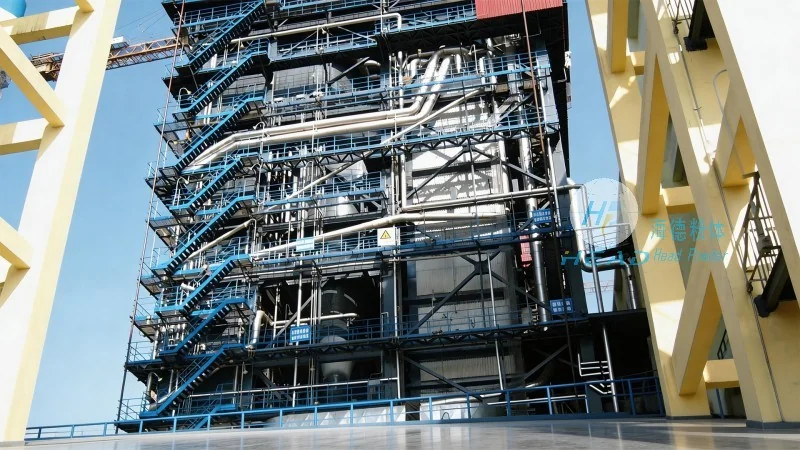
HeadPowder has successfully implemented numerous ammonium bicarbonate pneumatic conveying systems for clients across China. For example, a client in Shandong province required a system to transport ammonium bicarbonate from a storage silo to a processing plant over a distance of 200 meters. The system was designed as a positive pressure system with a high-pressure air compressor and stainless steel pipelines. The gas-solid ratio was optimized to achieve a conveying capacity of 10 tons per hour, with minimal energy consumption. The system has been in operation for over two years, with no major issues reported. This case study highlights the effectiveness of HeadPowder's design approach, which focuses on understanding the material's properties, selecting appropriate components, and ensuring proper integration and maintenance. The success of this project demonstrates the importance of a systematic design process and the expertise of specialized engineering firms like HeadPowder.