Công ty TNHH Kỹ thuật Headpowder Sơn Đông chuyên vận chuyển khí nén bột và hạt. Nhờ thế mạnh hợp tác doanh nghiệp‑trường‑viện, chúng tôi cung cấp giải pháp vận chuyển kín, không bụi, độ chính xác cao.
When it comes to the efficient and reliable transport of catalyst powders, the design of a pneumatic conveying system is critical. As a leading engineering firm in the field, Shandong HeadPowder Engineering Co., Ltd. specializes in providing tailored solutions that meet the unique requirements of industrial applications. This article outlines key considerations and steps for designing a reasonable catalyst powder pneumatic conveying system, ensuring optimal performance and longevity.
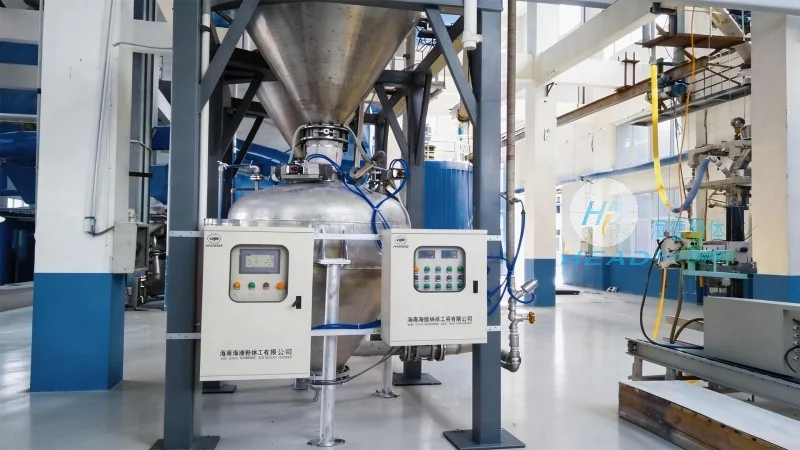
Understanding the Core Requirements for Catalyst Powder Handling
Before diving into system design, it is essential to understand the specific characteristics of the catalyst powder being handled. Factors such as particle size, density, moisture content, and flowability significantly impact the choice of conveying method and equipment. For instance, fine powders with low bulk density may require high-pressure systems or vacuum conveyors to maintain flow, while cohesive or sticky powders might need specialized equipment like rotary valves or airlocks to prevent blockages. By thoroughly analyzing these material properties, engineers can select the most suitable system configuration from the outset.
Choosing the Right Pneumatic Conveying System Type
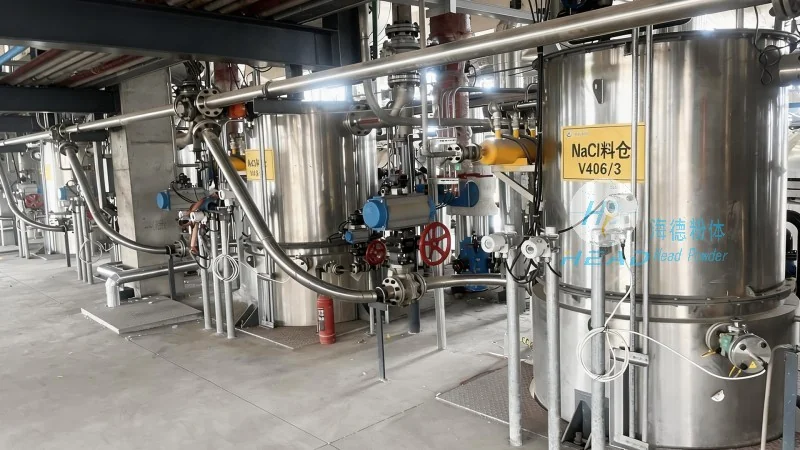
There are primarily two types of pneumatic conveying systems: pressure and vacuum. The selection depends on the distance, elevation changes, and material characteristics. Pressure systems use compressed air to push the material through the pipeline, making them ideal for short to medium distances and vertical lifts. Vacuum systems, on the other hand, use suction to draw material from the source, suitable for long horizontal runs or when the material needs to be collected from multiple points. For catalyst powders, which often require gentle handling to avoid degradation, pressure systems with low air velocity or vacuum systems with controlled airflow are preferred to minimize particle attrition and ensure product integrity.
Key Equipment Selection and Integration
Several critical components must be integrated into the system to ensure smooth operation. The feed hopper or silo is the first point of contact, where the powder is stored and fed into the system. It should be designed to prevent material bridging or segregation, which can lead to uneven flow. The rotary valve or feeder is crucial for controlling the flow rate and preventing backflow. For catalyst powders, which are often sensitive to moisture or contamination, the feeder should be equipped with sealing mechanisms to maintain product purity. The pipeline itself must be constructed from materials that are compatible with the catalyst, such as stainless steel or PTFE-coated pipes, to avoid chemical reactions or corrosion. Additionally, the system should include filters and cyclones to separate the powder from the air stream, ensuring that the material is returned to the process and the air is safely discharged.
System Sizing and Flow Rate Calculations
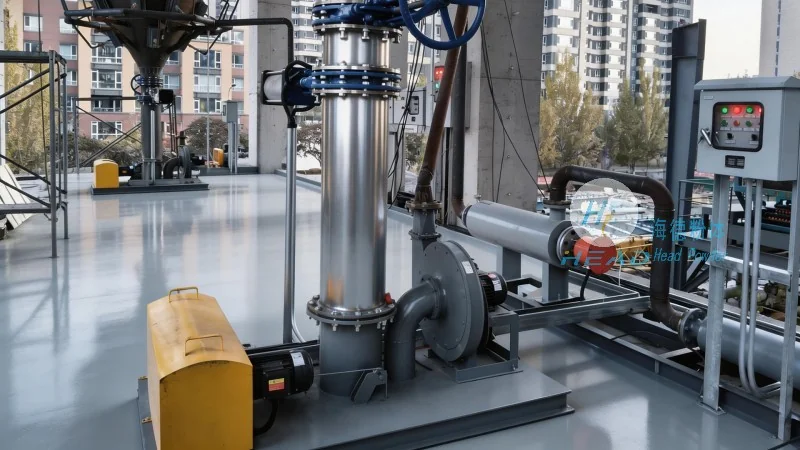
Accurate sizing of the system is vital to prevent under or overloading, which can lead to system inefficiencies or equipment damage. Engineers must calculate the required air velocity and flow rate based on the material's properties and the system's layout. This involves determining the pressure drop across the pipeline, which is influenced by factors like pipe diameter, length, and fittings. Using computational fluid dynamics (CFD) or empirical formulas, the system can be sized to ensure that the material is conveyed at a consistent velocity without causing excessive wear on the equipment. For catalyst powders, which may have varying flow characteristics due to changes in moisture or temperature, the system should be designed with some flexibility to accommodate these variations, such as adjustable air pressure or variable speed drives.
Considerations for System Maintenance and Longevity
A well-designed system not only performs efficiently but also requires minimal maintenance to ensure long-term reliability. Regular maintenance is essential to prevent clogging, wear, and degradation of components. For catalyst powders, which can be abrasive or corrosive, the system should be constructed with durable materials and equipped with easy-to-clean components. The use of high-quality seals and bearings can extend the life of the equipment, reducing downtime and maintenance costs. Additionally, implementing a monitoring system to track pressure, flow, and temperature can help identify potential issues early, allowing for proactive maintenance and preventing system failures.
Conclusion: Partnering with HeadPowder for System Design
Designing a reasonable catalyst powder pneumatic conveying system requires a deep understanding of material properties, system dynamics, and engineering principles. By carefully considering the factors outlined above, industrial facilities can achieve efficient, reliable, and cost-effective powder handling. Shandong HeadPowder Engineering Co., Ltd. offers expert consultation and tailored solutions to meet these needs, ensuring that each system is optimized for performance and longevity. Whether you are upgrading an existing system or designing a new one, partnering with HeadPowder can help you achieve your material handling goals with confidence.

 Shandong Headpowder Engineering Co., Ltd.
 156-6277-7102(Quản lý Trương)
  0531-83386006
  Thành phố Tế Nam, Tỉnh Sơn Đông, Trung Quốc
Điện thoại
WeChatTư vấn
Lên đầu