Công ty TNHH Kỹ thuật Headpowder Sơn Đông chuyên vận chuyển khí nén bột và hạt. Nhờ thế mạnh hợp tác doanh nghiệp‑trường‑viện, chúng tôi cung cấp giải pháp vận chuyển kín, không bụi, độ chính xác cao.
Clay ash, a byproduct from industrial processes such as power generation and cement production, requires efficient and environmentally responsible handling. Pneumatic conveying systems offer a superior alternative to traditional methods like belt conveyors or bucket elevators, particularly for fine and dusty materials like clay ash. This article explores the benefits, applications, and technical aspects of clay ash pneumatic conveying, highlighting how it enhances operational efficiency while minimizing environmental impact.
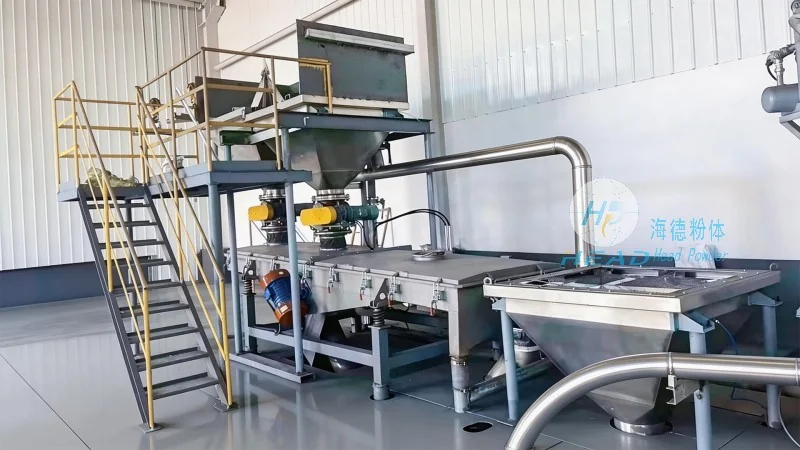
About HeadPowder Engineering
HeadPowder, or Shandong HeadPowder Engineering Co., Ltd., is a leading provider of advanced material handling solutions tailored for industrial applications. With a focus on innovation and sustainability, the company specializes in designing and manufacturing pneumatic conveying systems that meet the unique demands of industries dealing with fine powders and bulk materials. HeadPowder's expertise lies in creating customized solutions that optimize material flow, reduce downtime, and ensure compliance with environmental regulations. The company's headquarters is located in Shandong, China, where it leverages local resources and industry knowledge to deliver high-quality products and services.
Key Benefits of Clay Ash Pneumatic Conveying
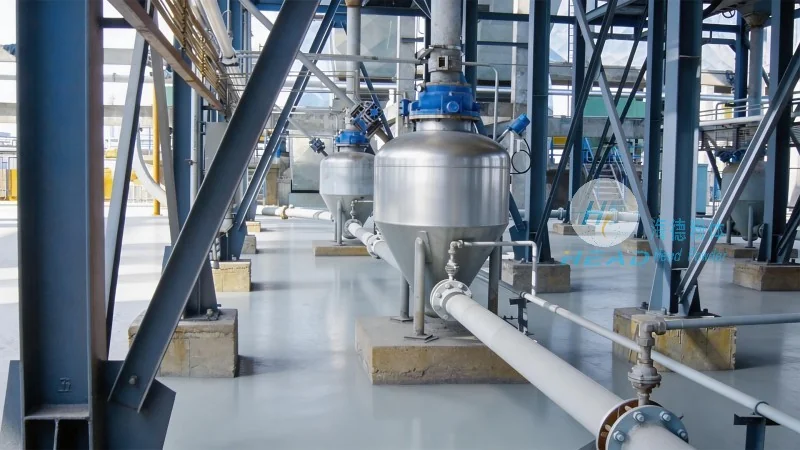
Pneumatic conveying for clay ash offers several advantages over conventional material handling methods. Firstly, it eliminates the need for mechanical components that can cause wear and tear, reducing maintenance costs and extending equipment lifespan. The system operates with minimal noise and vibration, creating a safer working environment for personnel. Additionally, pneumatic conveying is highly effective in handling fine, dusty materials that are prone to caking or bridging in traditional conveyors. By using air pressure to transport clay ash, the system ensures consistent flow rates and prevents material degradation, which is crucial for maintaining product quality. Environmentally, pneumatic conveying reduces dust emissions compared to open systems, contributing to cleaner air and compliance with environmental standards.
How Pneumatic Conveying Works
The core of a clay ash pneumatic conveying system involves the use of air to transport material through a pipeline. There are two primary types of pneumatic conveying: pressure and vacuum systems. Pressure systems use compressed air to push material from the source to the destination, while vacuum systems use a vacuum to pull material. For clay ash, pressure systems are often preferred due to their ability to handle higher material loads and longer distances. The system typically includes a hopper for material storage, a feeder to control the flow rate, a conveyor line with appropriate pipe diameter and fittings, and a receiver for the discharged material. The air flow is regulated by a blower or compressor, ensuring consistent pressure and flow rates. The design of the system, including the pipe layout and air velocity, is critical to prevent material deposition and ensure smooth operation.
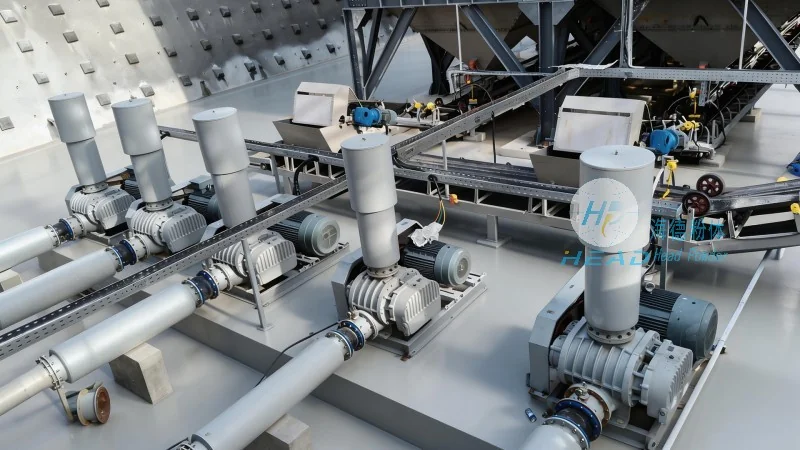
Applications in Industrial Settings
Clay ash pneumatic conveying is widely used in various industrial sectors, including power plants, cement factories, and waste management facilities. In power plants, the system efficiently transports fly ash from the boiler to storage silos or disposal sites. In cement production, it handles raw materials like clay and limestone, ensuring a steady supply to the kiln. Waste management facilities use pneumatic conveying to transport ash from incinerators to landfills or recycling facilities. The versatility of the system allows it to adapt to different material characteristics and operational requirements, making it a reliable choice for diverse industrial applications.
Customization and System Design
HeadPowder Engineering understands that each industrial application has unique requirements. Therefore, the company offers customized pneumatic conveying solutions tailored to specific needs. The design process involves a thorough analysis of the material properties, such as particle size, moisture content, and flowability, as well as the operational parameters like distance, flow rate, and ambient conditions. Based on this analysis, HeadPowder engineers design a system that optimizes performance and efficiency. The company uses advanced software and simulation tools to model the system and predict its behavior under different conditions, ensuring that the final design meets all performance criteria. Customization may include selecting the appropriate blower type, determining the optimal pipe diameter and length, and incorporating features like dust collection and material recovery systems.
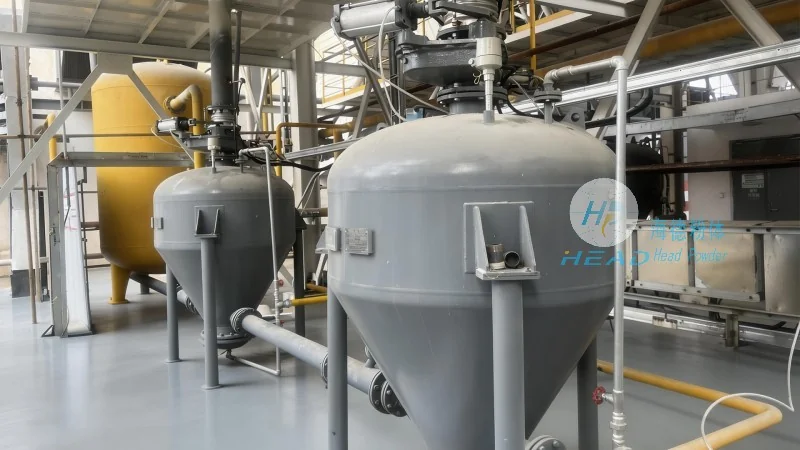
Environmental and Safety Considerations
Environmental compliance is a critical factor in modern industrial operations, and pneumatic conveying systems for clay ash play a significant role in achieving this goal. By containing dust within the system, the technology reduces emissions and minimizes the impact on the surrounding environment. This is particularly important for facilities located near residential areas or sensitive ecosystems. Safety is also a top priority, as the system operates with enclosed pipelines, preventing accidental exposure to fine materials. The use of pressure or vacuum systems ensures that material is contained and handled safely, reducing the risk of dust explosions or other hazards. HeadPowder Engineering incorporates safety features such as pressure relief valves, dust filters, and monitoring systems to ensure the system operates within safe parameters.
Maintenance and Longevity
Proper maintenance is essential to ensure the longevity and efficiency of a clay ash pneumatic conveying system. HeadPowder provides comprehensive maintenance services and support to its clients, including regular inspections, component replacement, and troubleshooting. The company recommends routine checks of the blower, feeder, and pipeline to identify and address potential issues before they cause system downtime. The use of high-quality materials and components in the system design contributes to its durability and reduces the need for frequent repairs. By following the manufacturer's maintenance guidelines and using genuine spare parts, users can maximize the system's lifespan and maintain optimal performance. HeadPowder's expertise in system maintenance ensures that clients receive reliable support throughout the system's operational life.

 Shandong Headpowder Engineering Co., Ltd.
 156-6277-7102(Quản lý Trương)
  0531-83386006
  Thành phố Tế Nam, Tỉnh Sơn Đông, Trung Quốc
Điện thoại
WeChatTư vấn
Lên đầu