

Organic Fertilizer Pellet Pneumatic Conveying: An Efficient and Eco-friendly Material Handling Solut
Organic fertilizer pellet pneumatic conveying systems represent a cutting-edge approach to material handling in the agricultural and environmental sectors. These systems are designed to efficiently transport organic fertilizer pellets, offering significant advantages in terms of operational efficiency and environmental sustainability. By leveraging pneumatic technology, such systems can handle bulk organic fertilizer materials with minimal human intervention, reducing labor costs and enhancing overall production throughput.
Key Features and Benefits of Pneumatic Conveying for Organic Fertilizer Pellets
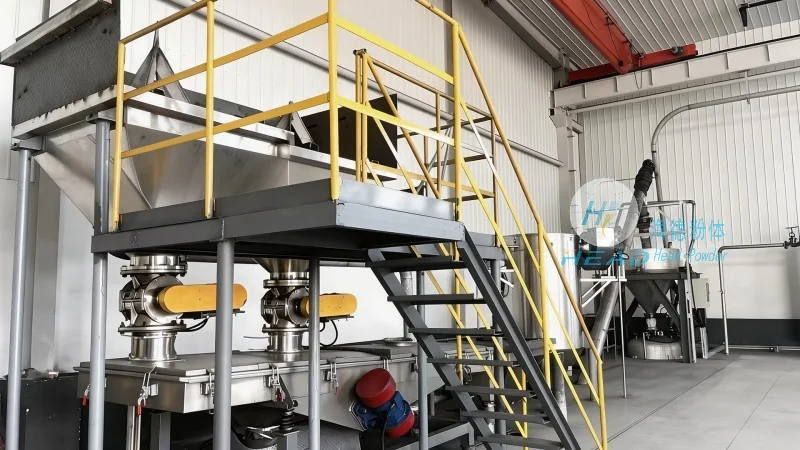
The primary benefit of using pneumatic conveying for organic fertilizer pellets is its high efficiency in material transport. Unlike traditional methods like belt conveyors or bucket elevators, pneumatic systems can move materials over long distances with consistent speed and minimal loss. This efficiency is crucial for large-scale fertilizer production and distribution, where timely and reliable delivery of organic fertilizer is essential. Additionally, pneumatic conveying is highly flexible, allowing for changes in the conveying route without major structural modifications, which is beneficial for adapting to different production layouts or expansion needs.
Environmental sustainability is another critical advantage of organic fertilizer pellet pneumatic conveying. Traditional conveying methods often generate dust and require additional cleaning measures, which can be detrimental to both workers' health and the environment. Pneumatic systems, particularly those using closed-loop or enclosed designs, effectively contain dust and emissions, reducing the risk of air pollution and ensuring compliance with environmental regulations. This eco-friendly approach aligns with the growing global emphasis on sustainable agricultural practices and the reduction of industrial emissions.
Technical Aspects and Components of Pneumatic Conveying Systems
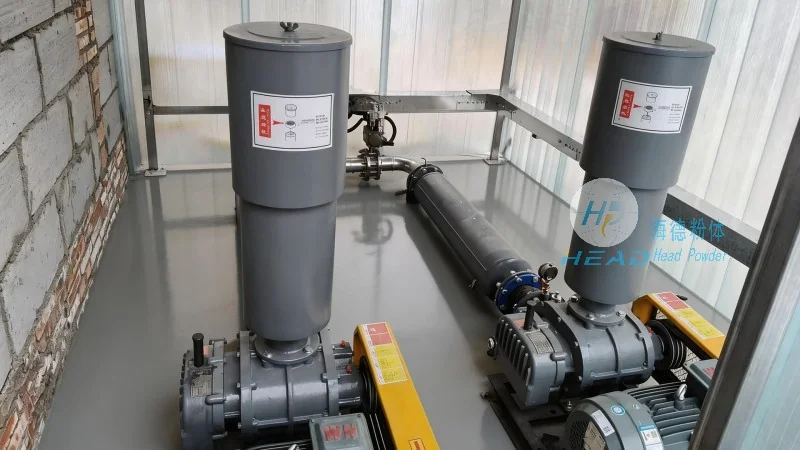
Organic fertilizer pellet pneumatic conveying systems typically consist of several key components that work in tandem to ensure smooth operation. The core of the system is the conveying line, which can be either positive or negative pressure, depending on the specific application requirements. Positive pressure systems use blowers or compressors to force air and material through the pipeline, while negative pressure systems create a vacuum to draw material into the line. For organic fertilizer pellets, positive pressure systems are often preferred due to their ability to handle larger particle sizes and prevent material blockages.
Key components include the hopper, which stores the organic fertilizer pellets and feeds them into the conveying line; the airlock or feeder, which controls the flow rate and prevents material from backflowing; and the cyclone separator or filter, which separates the material from the air and returns the air to the system for reuse. These components are engineered to handle the specific characteristics of organic fertilizer pellets, such as their size, density, and moisture content, ensuring optimal performance and longevity of the system.
Applications and Use Cases in the Fertilizer Industry
Pneumatic conveying systems for organic fertilizer pellets are widely used in various stages of the fertilizer production and distribution process. In manufacturing facilities, these systems efficiently transport raw organic materials from storage to processing units, and then from the processing line to packaging or storage areas. During the packaging stage, pneumatic conveyors can move finished organic fertilizer pellets from the production line to the packaging machines, ensuring a continuous and seamless workflow. In distribution centers, they are used to transfer bulk organic fertilizer from storage silos to loading trucks, facilitating efficient loading and minimizing handling time.
The versatility of pneumatic conveying also makes it suitable for applications in organic farming and composting operations. For example, in composting facilities, pneumatic systems can transport composted organic materials from the composting piles to the screening and drying stages, improving the efficiency of the compost production process. Similarly, in organic fertilizer blending plants, pneumatic conveyors can mix different types of organic materials (such as manure, crop residues, and mineral additives) to create customized fertilizer blends, meeting the specific nutrient requirements of different crops.
Advantages Over Traditional Conveying Methods
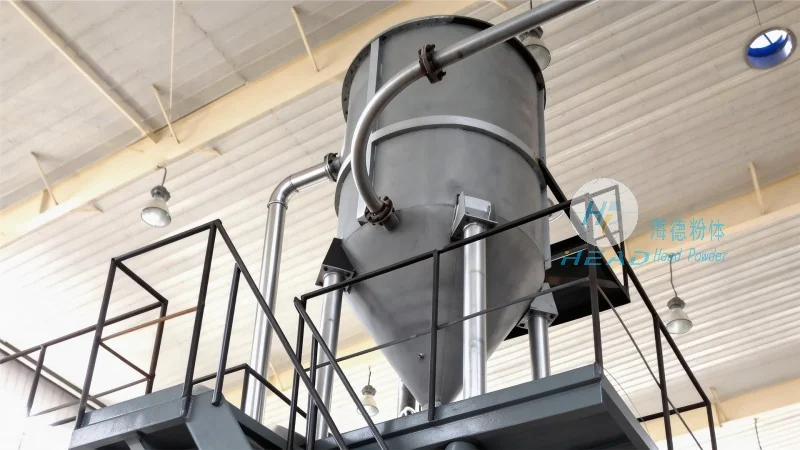
Compared to traditional conveying methods like belt conveyors or screw conveyors, organic fertilizer pellet pneumatic conveying offers several distinct advantages. One of the most significant advantages is the reduction in labor costs and operational time. Pneumatic systems can operate continuously without the need for manual intervention, reducing the need for additional personnel and minimizing downtime. This leads to increased productivity and lower overall operational costs.
Another advantage is the improved safety and hygiene. Traditional conveyors often generate dust and require frequent cleaning, which can pose health risks to workers and contaminate the product. Pneumatic systems, especially those with enclosed designs, effectively contain dust and prevent contamination, creating a safer and more hygienic working environment. This is particularly important in the organic fertilizer industry, where product purity and quality are paramount.
Furthermore, pneumatic conveying systems are more energy-efficient than many traditional methods. While they do require air compressors or blowers, modern systems are designed to be highly efficient, using less energy per unit of material transported compared to belt or screw conveyors. This energy efficiency contributes to lower operational costs and a smaller carbon footprint, aligning with the industry's sustainability goals.
Customization and Scalability for Different Production Needs
Organic fertilizer pellet pneumatic conveying systems are highly customizable to meet the specific needs of different fertilizer production facilities. Companies can choose from various system configurations, such as single-line or multi-line systems, to handle different production volumes and material types. For example, a small-scale organic fertilizer producer might use a simple positive pressure system with a single hopper and a short conveying line, while a large-scale manufacturer might opt for a complex multi-line system with multiple cyclone separators and a larger storage capacity.