Công ty TNHH Kỹ thuật Headpowder Sơn Đông chuyên vận chuyển khí nén bột và hạt. Nhờ thế mạnh hợp tác doanh nghiệp‑trường‑viện, chúng tôi cung cấp giải pháp vận chuyển kín, không bụi, độ chính xác cao.
When it comes to managing barley processing operations, selecting the appropriate pneumatic conveying system is crucial for efficiency, reliability, and cost-effectiveness. The right system ensures smooth material transport from storage to processing stages while maintaining product quality. This guide will help you understand the key factors to consider when choosing a pneumatic conveying solution tailored to your barley handling needs.
About HeadPowder Engineering
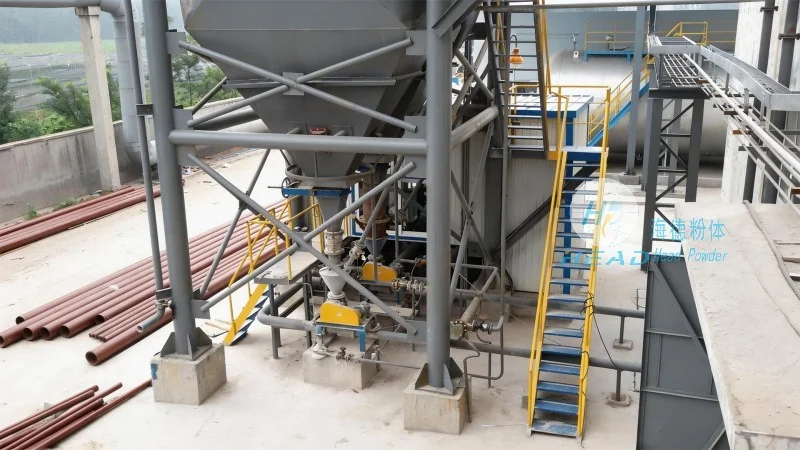
HeadPowder, or Shandong HeadPowder Engineering Co., Ltd., based in Shandong, China, specializes in designing and manufacturing advanced pneumatic conveying systems. With years of experience in the industry, they provide customized solutions that meet the specific requirements of barley processing facilities. Their expertise lies in understanding the unique challenges of handling barley, such as its density, moisture content, and flow characteristics, ensuring optimal system performance.
Key Factors to Consider in Pneumatic Conveying System Selection
Choosing the right pneumatic conveying system for barley involves evaluating several critical factors. First, consider the material characteristics of barley, including its bulk density, particle size distribution, and moisture level. These properties affect the system's design, such as the type of conveying air velocity and the appropriate equipment for handling. Second, assess the system's capacity and throughput requirements. The system must be able to handle the desired volume of barley while maintaining consistent flow rates. Third, evaluate the distance and layout of the conveying path. The system's design should account for the horizontal and vertical distances between storage, processing, and packaging areas. Fourth, consider the environmental and operational constraints, such as space availability, noise levels, and maintenance requirements. Finally, evaluate the cost-effectiveness of the system, including initial investment, operating costs, and long-term maintenance expenses.
Types of Pneumatic Conveying Systems for Barley
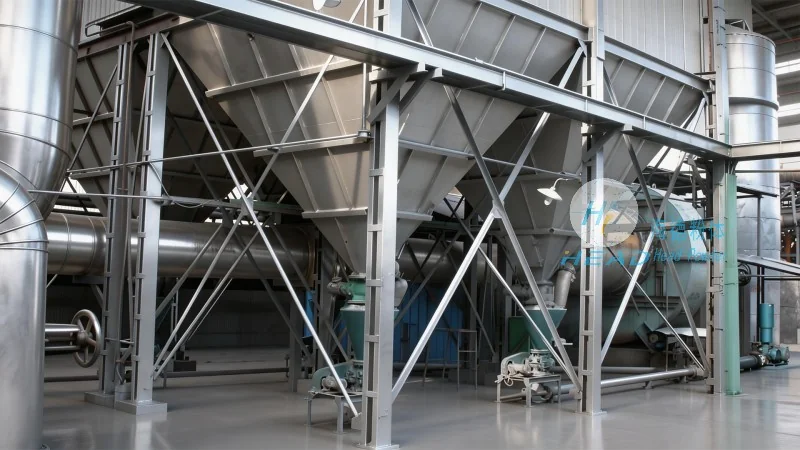
There are primarily two types of pneumatic conveying systems used in barley handling: pressure systems and vacuum systems. Pressure systems use compressed air to push the material through the pipeline, while vacuum systems use a vacuum to draw the material. For barley, pressure systems are often preferred due to their ability to handle larger particle sizes and higher capacities. These systems typically use positive displacement blowers or rotary lobe blowers to generate the necessary pressure. The choice between pressure and vacuum systems depends on the specific application and the distance and layout of the conveying path. Additionally, there are hybrid systems that combine elements of both pressure and vacuum to optimize performance.
Key Components of a Pneumatic Conveying System for Barley
A pneumatic conveying system for barley consists of several key components that work together to ensure efficient material transport. The first component is the material feeder, which is responsible for feeding the barley into the system at a consistent rate. For barley, a rotary valve or a screw feeder is commonly used to ensure uniform material flow. The second component is the air supply system, which provides the necessary air pressure or vacuum. This includes the blower or vacuum pump, along with air filters and regulators to maintain clean and stable air. The third component is the conveying pipeline, which transports the barley from the feeder to the destination. The pipeline is typically made of stainless steel or other corrosion-resistant materials to handle the barley's moisture content and prevent contamination. The fourth component is the separation system, which separates the barley from the air at the receiving end. This includes a cyclone separator or a bag filter to collect the material and return it to the processing line. Finally, the system may include a control panel to monitor and adjust the system's operation, ensuring optimal performance.
Design Considerations for Barley Pneumatic Conveying Systems
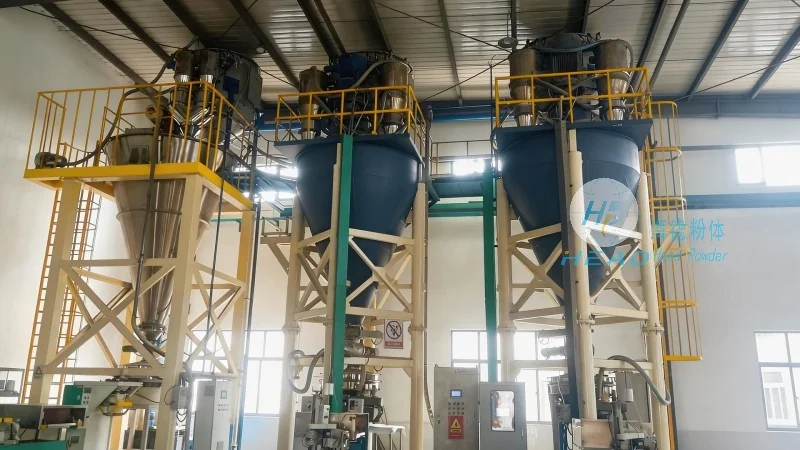
Designing a pneumatic conveying system for barley requires careful consideration of several technical aspects. The system's pressure and air velocity must be optimized to handle the barley's particle size and density. Higher air velocities are needed for smaller particles, while larger particles may require higher pressure. The system's capacity is determined by the material's flow rate and the conveying distance. The pipeline diameter and length are critical factors that affect the system's efficiency and energy consumption. Additionally, the system's layout should minimize bends and changes in direction to reduce pressure losses and maintain consistent flow. The use of appropriate fittings and elbows is essential to ensure smooth material transport and prevent blockages. Finally, the system's maintenance and cleaning procedures should be considered to ensure long-term reliability and prevent material buildup in the pipeline.
Conclusion and Recommendations
Selecting the right pneumatic conveying system for your barley handling process is a critical decision that can significantly impact your operational efficiency and product quality. By considering the material characteristics, system capacity, conveying distance, and operational constraints, you can choose a system that meets your specific needs. HeadPowder Engineering, with its expertise in designing and manufacturing advanced pneumatic conveying systems, offers customized solutions tailored to the unique requirements of barley processing facilities. Their systems are designed to handle the challenges of barley handling, ensuring reliable and efficient material transport. By partnering with HeadPowder, you can optimize your barley processing operations and achieve better results.

 Shandong Headpowder Engineering Co., Ltd.
 156-6277-7102(Quản lý Trương)
  0531-83386006
  Thành phố Tế Nam, Tỉnh Sơn Đông, Trung Quốc
Điện thoại
WeChatTư vấn
Lên đầu