

How to Choose the Right Pneumatic Conveying System for Your Micron Powder Handling Process?
For industrial facilities dealing with micron powders, selecting the appropriate pneumatic conveying system is a critical decision that impacts operational efficiency, product quality, and overall process safety. Micron powders, characterized by their fine particle size and often high dust generation potential, require specialized handling solutions to prevent clogging, ensure consistent flow, and maintain environmental compliance. This guide outlines key considerations and factors to help you select the most suitable pneumatic conveying system for your specific micron powder processing needs.
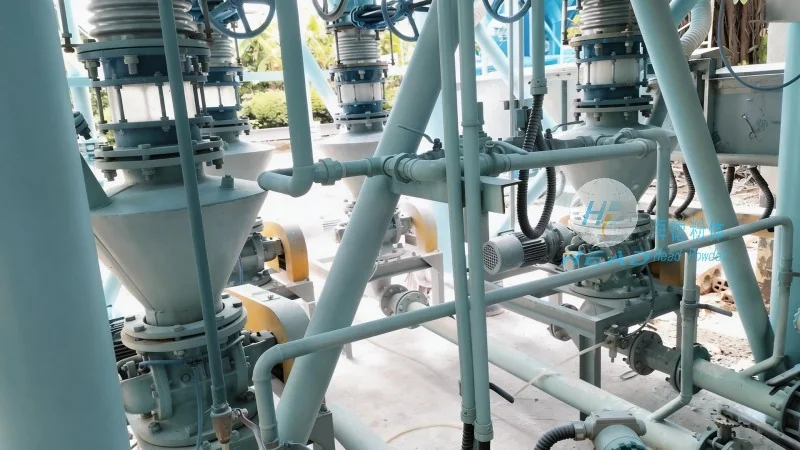
Understanding the Unique Challenges of Micron Powder Handling
Micron powders, typically defined as particles with a diameter of less than 75 micrometers, present distinct challenges compared to bulk materials. Their fine nature makes them prone to agglomeration, which can lead to blockages in pipelines and equipment. Additionally, micron powders often generate significant dust, posing health and safety risks if not properly contained. The choice of pneumatic conveying system must address these challenges to ensure reliable and safe material transport.
Key Factors to Consider When Selecting a Pneumatic Conveying System
When evaluating pneumatic conveying systems for micron powder applications, several factors must be taken into account. First, the system type—whether positive pressure, negative pressure, or a combination—depends on the material's properties, such as moisture content, flowability, and dust generation. Positive pressure systems, where air is forced through the material, are often preferred for micron powders due to their ability to handle fine particles without clogging. Negative pressure systems, on the other hand, may be suitable for applications requiring dust containment but may have limitations with very fine powders.
Second, the conveying distance and elevation changes are critical. Longer distances or significant vertical lifts may require higher air pressure or additional equipment like cyclones or rotary valves to maintain material flow. The system's capacity and flow rate must also align with production requirements, ensuring that the conveying rate matches the processing speed of downstream equipment.
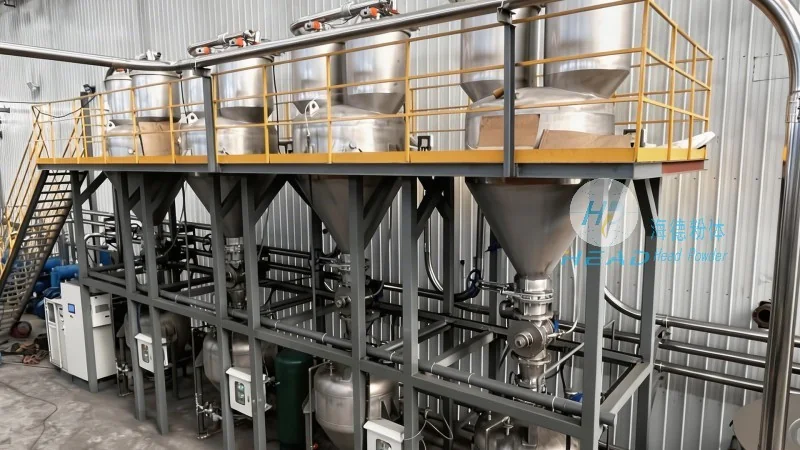
Third, material compatibility and system durability are essential. Micron powders can be abrasive or corrosive, so the conveying components—such as pipes, valves, and pumps—must be constructed from materials resistant to wear and chemical attack. For example, stainless steel or special alloys may be necessary for powders containing acids or other corrosive substances.
HeadPowder's Expertise in Micron Powder Pneumatic Conveying Solutions
Shandong HeadPowder Engineering Co., Ltd., a leading provider of specialized material handling solutions, offers tailored pneumatic conveying systems designed to meet the unique demands of micron powder applications. With years of experience in the industry, HeadPowder understands the challenges associated with fine powder handling and provides customized solutions that enhance operational efficiency and product integrity.
HeadPowder's systems are engineered to handle a wide range of micron powders, including pharmaceuticals, food additives, and industrial chemicals. The company's expertise lies in designing systems that optimize flow, minimize dust generation, and ensure compliance with industry standards. For example, their positive pressure conveying systems use high-efficiency air blowers and specialized valves to maintain consistent material transport, even with very fine particles.
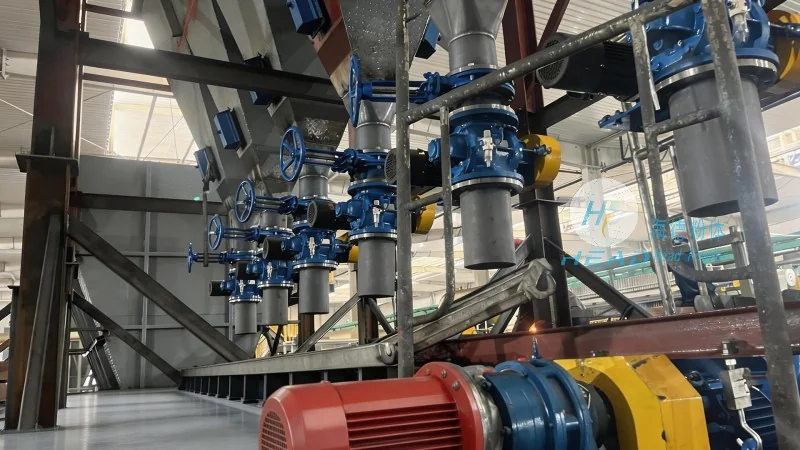
Additionally, HeadPowder's solutions incorporate advanced control systems that allow for real-time monitoring and adjustment of conveying parameters. This ensures that the system operates at peak efficiency, reducing energy consumption and maintenance costs over time. The company's team of engineers works closely with clients to assess their specific process requirements and recommend the most suitable system configuration.
Customization and After-Sales Support for Optimal Performance
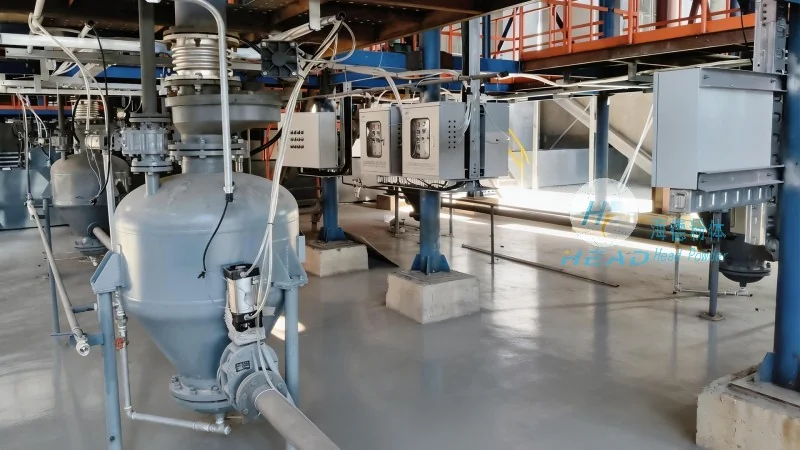
At HeadPowder, we recognize that every micron powder handling application is unique. Therefore, our approach to system design emphasizes customization to meet specific operational needs. Whether it's a small-scale laboratory setup or a large-scale industrial production line, we provide tailored solutions that align with your production goals.
Our after-sales support is another key aspect of our service. We offer comprehensive maintenance and technical support to ensure that your pneumatic conveying system operates reliably and efficiently. This includes regular inspections, component replacement, and troubleshooting assistance to minimize downtime and maximize productivity.
Conclusion: Choosing the Right System for Your Micron Powder Process
Selecting the appropriate pneumatic conveying system for your micron powder handling process is a decision that requires careful consideration of material properties, operational requirements, and system capabilities. By understanding the unique challenges of micron powders and evaluating key factors such as system type, capacity, and durability, you can make an informed choice that enhances efficiency and safety.
Shandong HeadPowder Engineering Co., Ltd. stands ready to assist you in selecting and implementing the right pneumatic conveying system for your needs. With our expertise and commitment to quality, we help industrial facilities achieve reliable, cost-effective, and safe material transport for their micron powder applications.