Công ty TNHH Kỹ thuật Headpowder Sơn Đông chuyên vận chuyển khí nén bột và hạt. Nhờ thế mạnh hợp tác doanh nghiệp‑trường‑viện, chúng tôi cung cấp giải pháp vận chuyển kín, không bụi, độ chính xác cao.
Zinc roast sand, a critical byproduct in the zinc smelting industry, requires efficient and reliable transport methods to ensure smooth production flow. Selecting the appropriate pneumatic conveying system is essential to maintain operational efficiency, minimize downtime, and enhance overall process safety. This article provides a comprehensive guide to help industrial facilities like yours make informed decisions when choosing a pneumatic conveying system for zinc roast sand transport, focusing on key factors, system types, and practical considerations.
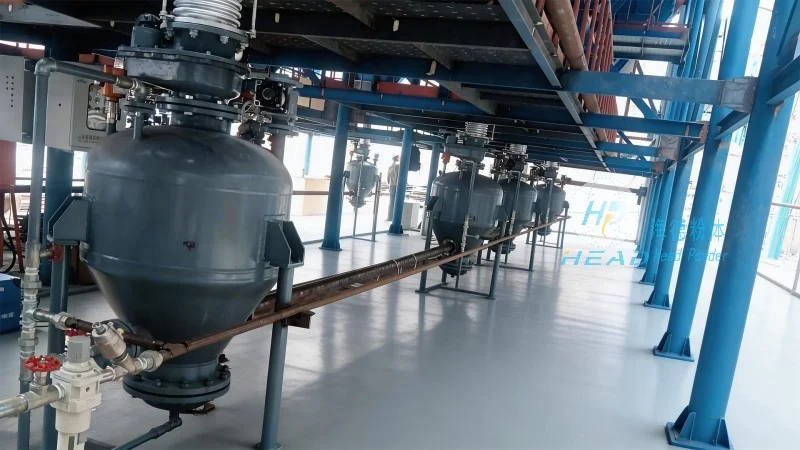
Understanding the Role of Pneumatic Conveying in Zinc Roast Sand Handling
Zinc roast sand, also known as zinc concentrate after roasting, is a fine-grained material with specific properties that influence the choice of transport method. Traditional methods like belt conveyors or bucket elevators may not be suitable due to the material's dustiness, abrasiveness, and potential for caking. Pneumatic conveying systems offer a solution by transporting the material through a pipeline using air pressure, providing a closed system that reduces dust emissions and protects the environment. For zinc smelters, this is particularly important as regulatory standards for air quality and occupational health are stringent.
Key Factors to Consider When Selecting a Pneumatic Conveying System
When evaluating pneumatic conveying systems for zinc roast sand, several critical factors must be considered to ensure optimal performance. The first is the material's physical characteristics, including particle size, density, moisture content, and flowability. Zinc roast sand typically has a particle size ranging from 0.1 to 2 millimeters, with a density around 4.5 g/cm³. These properties affect the system's air velocity requirements and the risk of blockages. For example, finer particles may require higher air velocities to maintain flow, while larger or more abrasive particles may need specialized equipment like rotary valves or airlocks to prevent wear and tear.
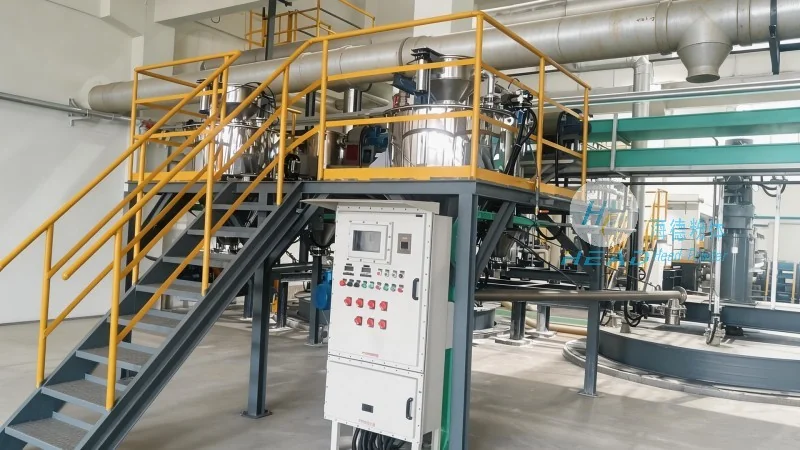
Another crucial factor is the transport distance and layout of the facility. The length of the pipeline, the number of bends, and the vertical rise all impact the system's design. Longer distances may necessitate booster units or larger diameter pipelines to maintain sufficient air pressure and prevent pressure drops. The layout of the plant, including the location of the feed point and discharge point, also plays a role in determining the system's configuration. For instance, a system with multiple branches or a network of pipelines may require a more complex control system to manage flow and pressure.
Types of Pneumatic Conveying Systems for Zinc Roast Sand
There are two primary types of pneumatic conveying systems: positive pressure (or pressure) systems and negative pressure (or vacuum) systems. Each has its advantages and is suitable for different applications. Positive pressure systems use a blower or compressor to force air and material through the pipeline, making them ideal for long-distance or high-capacity transport. They are often used in applications where the material is sensitive to moisture or where dust control is critical. For zinc roast sand, a positive pressure system can effectively transport the material from the roasting furnace to storage silos or processing units without exposing workers to dust.
Negative pressure systems, on the other hand, use a vacuum pump to draw material into the pipeline. These systems are suitable for short-distance transport or when the material is to be collected from multiple points. They are often used in applications where the material is already in a dusty environment, such as in a storage bin or a hopper. However, negative pressure systems may be less efficient for transporting abrasive materials like zinc roast sand over long distances, as they can lead to higher wear on the system components.
System Components and Design Considerations
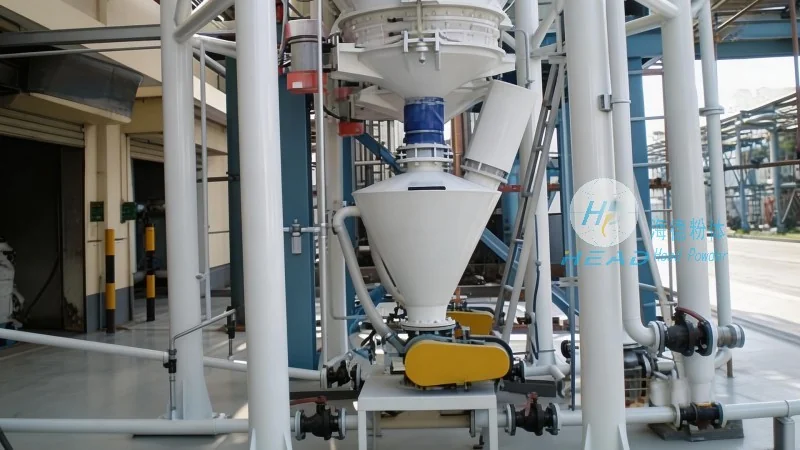
Regardless of the system type, several key components are essential for a reliable pneumatic conveying system. These include the feed device (such as a rotary valve or a star feeder), the conveying pipeline (usually made of stainless steel or plastic to resist corrosion and abrasion), the air mover (blower or vacuum pump), and the control system (including pressure sensors, flow meters, and valves). The choice of materials for the pipeline and components is critical, as zinc roast sand is corrosive and abrasive. Stainless steel, especially 316L, is commonly used for its durability and resistance to corrosion. The feed device must be designed to handle the material's flowability and prevent blockages, which can lead to system failures.
The air mover's capacity and pressure are also critical. The blower or vacuum pump must be capable of providing sufficient air flow and pressure to move the material through the pipeline. The system's control system must be able to monitor and adjust the air pressure and flow rate in real-time to maintain optimal performance. For example, if the feed rate increases, the system should automatically adjust the air flow to prevent pressure drops or blockages. This requires advanced control technology, such as variable frequency drives (VFDs), which can regulate the speed of the blower or pump to match the material feed rate.
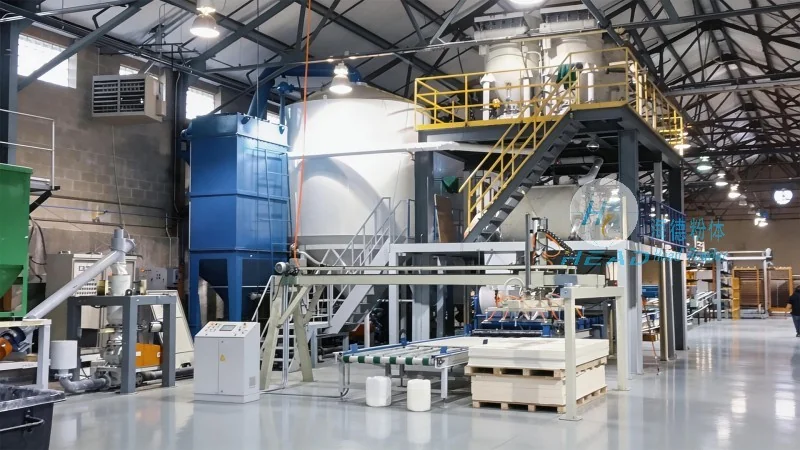
Case Study: Implementing a Pneumatic Conveying System for a Zinc Smelter
Shandong HeadPowder Engineering Co., Ltd., a leading provider of industrial conveying solutions, recently completed a project for a zinc smelter in China. The client required a pneumatic conveying system to transport zinc roast sand from the roasting furnace to the storage silos, covering a distance of 150 meters with multiple bends and a vertical rise of 20 meters. The system was designed as a positive pressure system using a stainless steel pipeline and a high-capacity blower. The feed device was a rotary valve with a capacity of 10 tons per hour, and the control system was equipped with VFDs to regulate the air flow. The system was successfully installed and commissioned, achieving a transport efficiency of 98% with minimal dust emissions. The client reported significant improvements in operational efficiency, reduced downtime, and lower maintenance costs compared to traditional conveyor systems.
Conclusion and Recommendations
Selecting the right pneumatic conveying system for zinc roast sand transport is a critical decision that requires careful consideration of the material's properties, the transport requirements, and the system's components. By understanding the key factors and choosing the appropriate system type, industrial facilities can improve their operational efficiency, enhance safety, and reduce environmental impact. It is recommended to consult with experienced engineers, like those at Shandong HeadPowder Engineering Co., Ltd., who can provide tailored solutions based on specific project requirements. With the right system in place, zinc smelters can ensure smooth and reliable transport of zinc roast sand, supporting their production goals and meeting regulatory standards.

 Shandong Headpowder Engineering Co., Ltd.
 156-6277-7102(Quản lý Trương)
  0531-83386006
  Thành phố Tế Nam, Tỉnh Sơn Đông, Trung Quốc
Điện thoại
WeChatTư vấn
Lên đầu