Công ty TNHH Kỹ thuật Headpowder Sơn Đông chuyên vận chuyển khí nén bột và hạt. Nhờ thế mạnh hợp tác doanh nghiệp‑trường‑viện, chúng tôi cung cấp giải pháp vận chuyển kín, không bụi, độ chính xác cao.
Efficient and reliable transport of dewatered sludge is a critical challenge in the wastewater treatment and industrial processes where sludge management is essential. Traditional methods such as trucking or conveyor belts often face limitations in terms of cost, environmental impact, and operational flexibility. This article explores various sludge transport methods and focuses on the advanced pneumatic conveying system offered by Shandong HeadPowder Engineering Co., Ltd., a leading provider in the field.
Understanding Dewatered Sludge Transport Methods
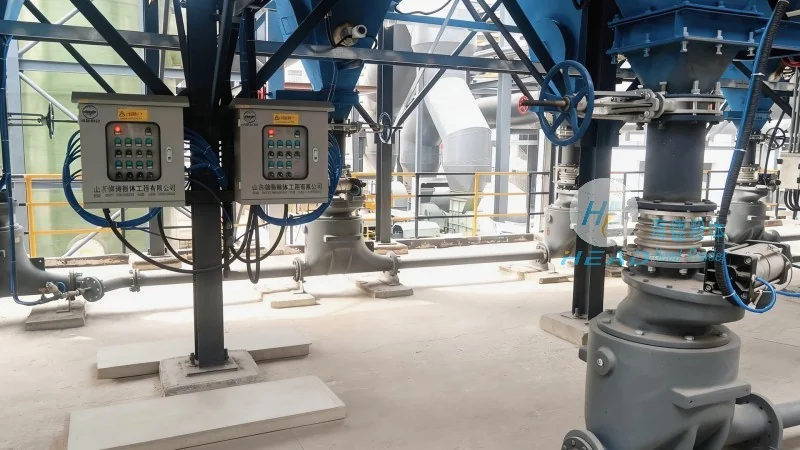
Dewatered sludge, also known as biosolids or treated sludge, is a byproduct of wastewater treatment processes. It requires safe and efficient transportation to disposal sites or recycling facilities. The primary methods used for sludge transport include trucking, gravity flow systems, and mechanical conveyors. Each method has its advantages and drawbacks, making the selection of an appropriate system crucial for operational efficiency and cost-effectiveness.
Challenges in Traditional Sludge Transport
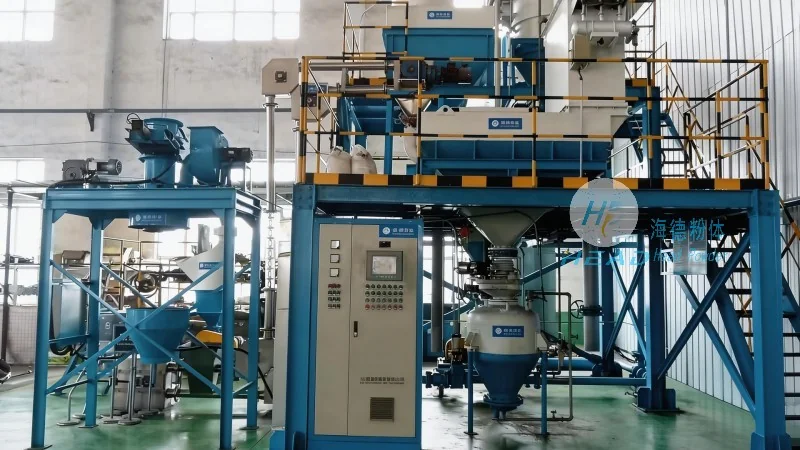
Trucking sludge, while common, presents several challenges. It involves high transportation costs, potential environmental risks from spills, and logistical complexities, especially when dealing with large volumes. Gravity flow systems rely on the natural slope of the terrain and may not be feasible in all locations, limiting their applicability. Mechanical conveyors, such as belt conveyors, can handle high volumes but require significant space and maintenance, often leading to higher operational expenses.
Introducing HeadPowder's Pneumatic Conveying System
Shandong HeadPowder Engineering Co., Ltd., operating under the brand name headpowder, has developed a state-of-the-art pneumatic conveying system specifically designed for dewatered sludge transport. This system leverages compressed air to move sludge through a pipeline network, offering a flexible, low-maintenance, and environmentally friendly solution. The system is engineered to handle various types of dewatered sludge, including those with high solid content, ensuring consistent and reliable transport.

Key Features of the Pneumatic Conveying System
The pneumatic conveying system by headpowder incorporates several key features that enhance its performance and reliability. Firstly, it uses a positive pressure system, where compressed air is used to push the sludge through the pipeline, ensuring consistent flow rates and preventing clogging. The system is equipped with advanced control panels that allow for real-time monitoring and adjustment of air pressure and flow rates, optimizing the transport process. Additionally, the pipeline design is robust and corrosion-resistant, suitable for long-term operation in various environmental conditions. The system also includes safety features such as pressure relief valves and emergency shut-off mechanisms, ensuring operational safety and compliance with industry standards.
Advantages of Using the Pneumatic Conveying System
Compared to traditional transport methods, the pneumatic conveying system offers several advantages. It significantly reduces transportation costs by eliminating the need for trucks and associated fuel expenses. The system also minimizes environmental impact by reducing the risk of spills and emissions. Furthermore, the flexibility of the pipeline network allows for easy integration with existing infrastructure, enabling the system to adapt to changing operational needs. The low maintenance requirements and long service life of the equipment contribute to overall cost savings and operational efficiency.
Application Scenarios
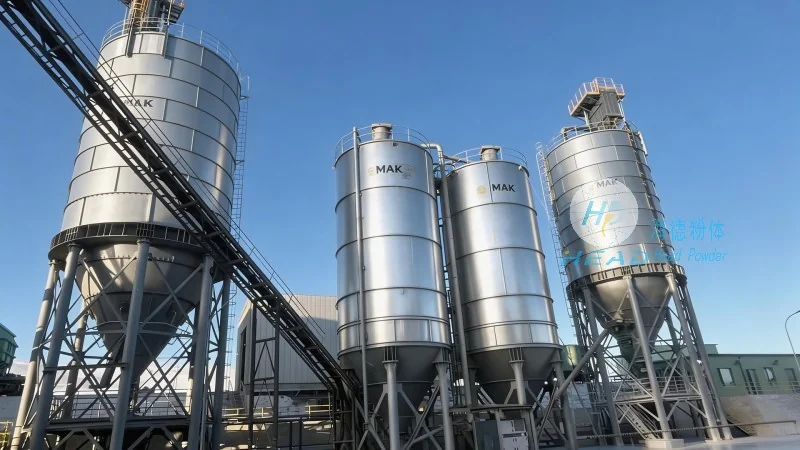
The pneumatic conveying system is suitable for a wide range of applications in wastewater treatment plants, industrial facilities, and municipal sludge management systems. It can be used to transport dewatered sludge from the dewatering unit to storage tanks or disposal sites, as well as to transfer sludge between different processing stages. The system's adaptability makes it an ideal solution for both new installations and retrofitting existing facilities.
Conclusion
As the demand for efficient and sustainable sludge transport solutions grows, the pneumatic conveying system by Shandong HeadPowder Engineering Co., Ltd. stands out as a reliable and advanced option. By addressing the limitations of traditional transport methods, this system provides a cost-effective, environmentally friendly, and operationally flexible solution for dewatered sludge management. With its robust design, advanced features, and commitment to quality, headpowder continues to be a trusted partner in the sludge transport industry, helping clients achieve optimal performance and compliance with regulatory requirements.

 Shandong Headpowder Engineering Co., Ltd.
 156-6277-7102(Quản lý Trương)
  0531-83386006
  Thành phố Tế Nam, Tỉnh Sơn Đông, Trung Quốc
Điện thoại
WeChatTư vấn
Lên đầu