

Common Paper Chip Conveying Methods and the Advantages of HeadPowder Pneumatic Conveying Systems
When it comes to transporting paper chips, various methods are employed across different industrial applications. Understanding the common approaches and the specific advantages of advanced systems like those offered by Shandong HeadPowder Engineering Co., Ltd. (referred to as HeadPowder) is crucial for optimizing material handling processes. This article explores typical paper chip conveying methods and highlights the key benefits of HeadPowder's pneumatic conveying solutions.
Overview of Common Paper Chip Conveying Methods
Traditional methods for transporting paper chips include gravity-based systems, mechanical conveyors such as belt conveyors or screw conveyors, and more modern pneumatic conveying technologies. Each approach has its own set of advantages and limitations, making the choice of method dependent on factors like material characteristics, distance, and operational requirements.
Gravity Conveying Systems
Gravity conveyors rely on the natural downward movement of paper chips to transport them from one point to another. These systems typically involve chutes or inclined planes that allow the material to flow under the influence of gravity. While simple and low-cost, gravity conveyors are limited by the need for a suitable slope and are often unsuitable for long distances or complex layouts. They are generally used for short-distance transfers where the material can be easily guided along a downward path.
Mechanical Conveyors (Belt and Screw)
Belt conveyors use a continuous belt to move paper chips horizontally or at a slight incline. Screw conveyors, on the other hand, employ a rotating screw within a tube to push material forward. Both mechanical systems are robust and effective for handling bulk materials, including paper chips. However, they require regular maintenance, can cause material degradation due to friction, and may not be suitable for abrasive or lightweight materials. Additionally, mechanical conveyors can be noisy and may generate dust, posing safety and environmental concerns.
Pneumatic Conveying Systems
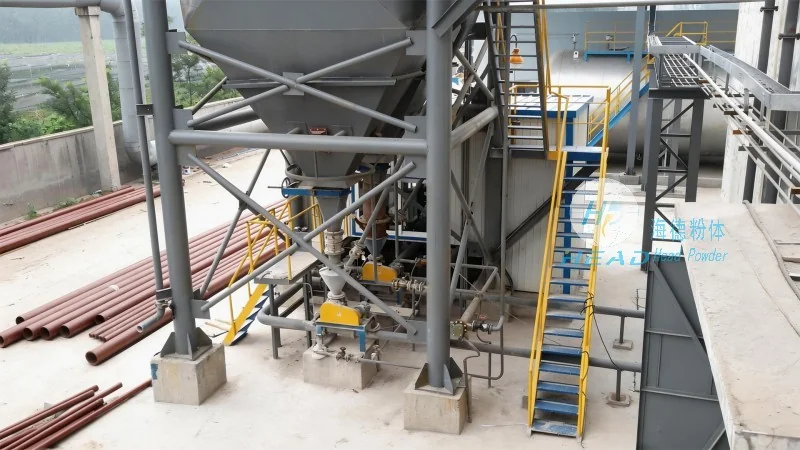
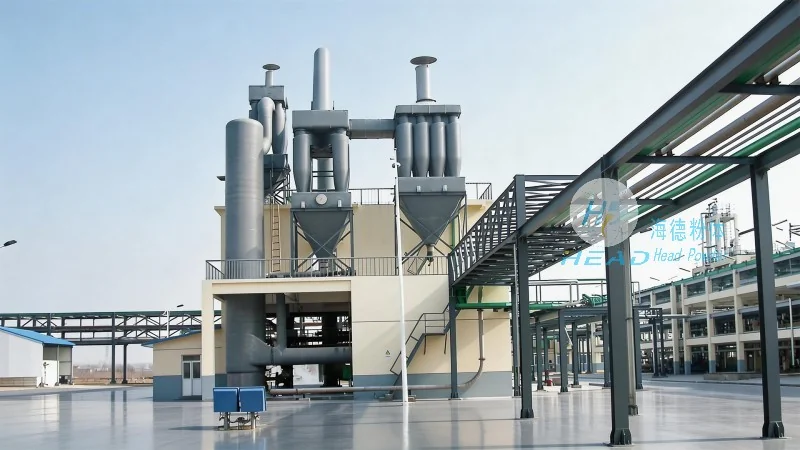
Pneumatic conveying, also known as air conveying, uses compressed air to transport paper chips through a pipeline. This method offers several advantages over traditional mechanical or gravity systems, including the ability to handle a wide range of material sizes and shapes, transport materials over long distances, and operate in a closed system to minimize dust emissions. Pneumatic systems are particularly effective for paper chips due to their lightweight nature and the need for efficient, dust-free handling.
HeadPowder's Pneumatic Conveying Advantages
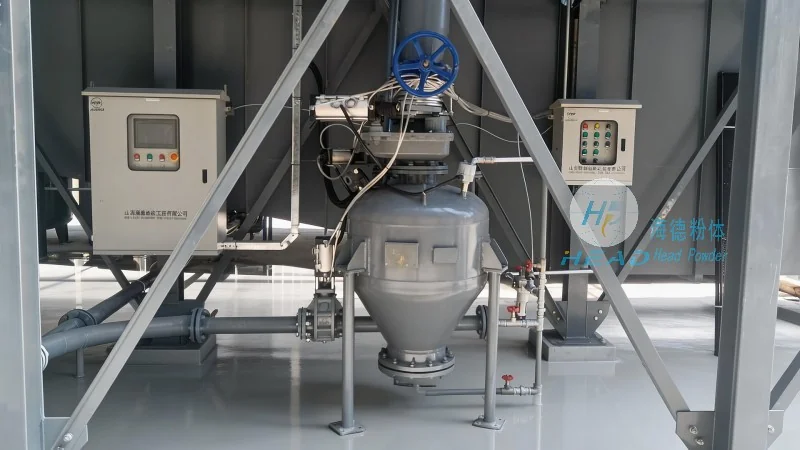
HeadPowder, a leading manufacturer based in Shandong, China, specializes in developing advanced pneumatic conveying systems tailored for paper chip applications. The company's solutions are designed to address the unique challenges of paper chip handling, such as material variability, dust control, and operational efficiency. Key advantages of HeadPowder's systems include:
Efficient Material Handling and Long-Distance Transport
HeadPowder's pneumatic conveying systems are engineered to transport paper chips over extended distances with minimal loss and high efficiency. By utilizing high-pressure air or vacuum systems, these solutions ensure consistent material flow and reduce the need for multiple transfer points, which can complicate traditional mechanical setups. The ability to handle long-distance transfers without significant material degradation makes HeadPowder's systems ideal for large-scale paper processing facilities.
Advanced Dust Control and Environmental Compliance
One of the primary concerns in paper chip handling is dust generation, which can impact worker health and environmental regulations. HeadPowder's pneumatic systems incorporate advanced filtration and sealing technologies to minimize dust emissions. The closed-loop design of these systems prevents dust from escaping into the environment, ensuring compliance with environmental standards while maintaining a safe working environment. This feature is particularly beneficial in industrial settings where air quality is a critical factor.
Customizable and Scalable Solutions
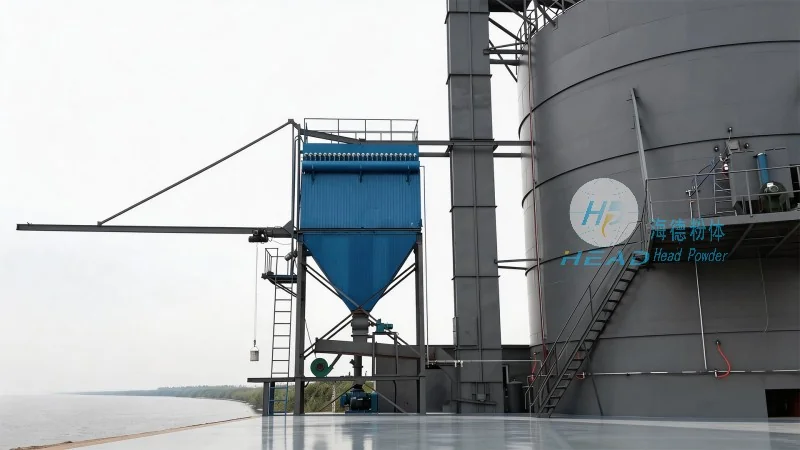
HeadPowder understands that each paper processing facility has unique requirements. The company offers customizable pneumatic conveying solutions that can be tailored to specific operational needs, including material types, flow rates, and system integration with existing equipment. Whether for small-scale operations or large industrial plants, HeadPowder's systems can be scaled to meet the demands of the application. This flexibility allows customers to optimize their material handling processes without the need for extensive modifications to their existing infrastructure.
Reliable Performance and Low Maintenance
HeadPowder's pneumatic conveying systems are built with high-quality components and robust engineering to ensure reliable performance over extended periods. The use of durable materials and advanced control systems minimizes downtime and reduces maintenance requirements. Unlike mechanical conveyors that may require frequent adjustments or repairs due to wear and tear, pneumatic systems offer a more stable and consistent operation. This reliability translates into lower operational costs and increased productivity for paper processing facilities.
Conclusion
Choosing the right paper chip conveying method is essential for optimizing industrial processes and ensuring efficiency. While traditional methods like gravity and mechanical conveyors have their uses, modern pneumatic conveying systems, particularly those offered by HeadPowder, provide significant advantages in terms of efficiency, dust control, and scalability. By leveraging advanced technology and tailored solutions, HeadPowder helps paper processing facilities achieve improved material handling, reduced operational costs, and enhanced environmental compliance. For businesses seeking reliable and effective paper chip conveying solutions, HeadPowder's pneumatic systems represent a superior choice.