

Common Cocoa Conveying Methods: The Advantages of HeadPowder's Pneumatic Conveying Technology
When it comes to transporting cocoa, various methods are employed in the industry. These methods vary based on the specific requirements of the processing facility, such as the type of cocoa, the scale of operations, and the desired efficiency. Understanding the common cocoa conveying methods is crucial for selecting the most suitable system for a particular application.
Traditional Conveying Methods
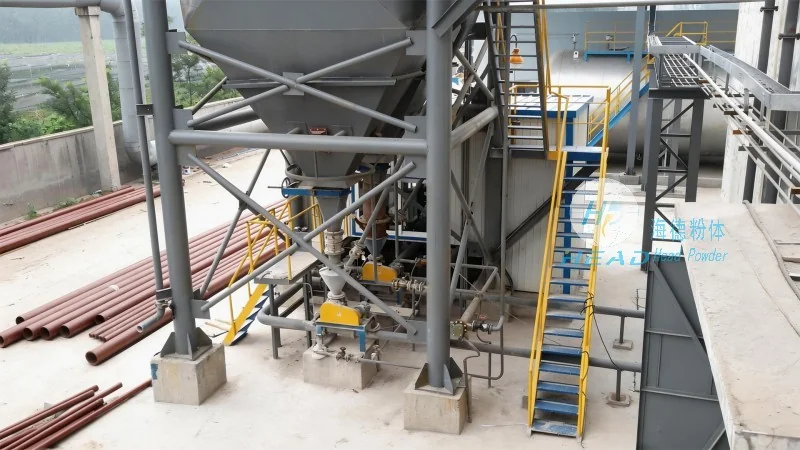
Historically, cocoa has been transported using traditional methods like gravity-based systems, where cocoa is moved down chutes or slopes due to gravity. Mechanical conveyors, including belt conveyors and screw conveyors, are also widely used. These methods are often effective for short distances and moderate volumes but may face limitations in terms of efficiency, especially when dealing with fine powders or when long-distance transport is required.
HeadPowder's Pneumatic Conveying System: A Modern Solution
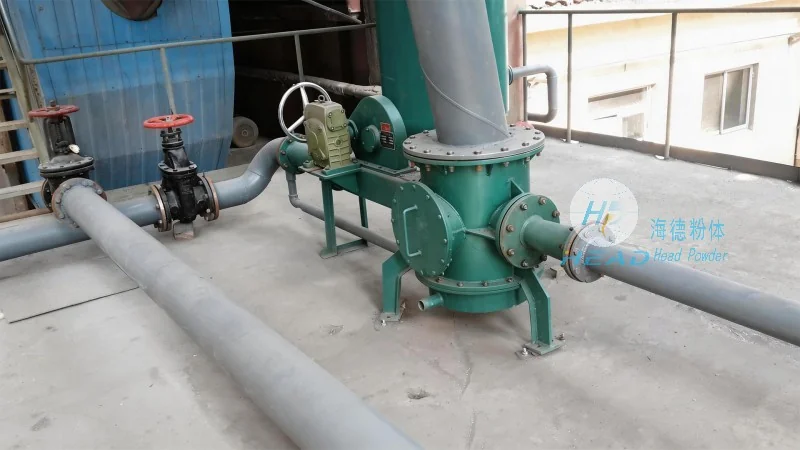
HeadPowder Engineering Co., Ltd., a leading provider of industrial conveying solutions, offers advanced pneumatic conveying systems tailored for cocoa transport. The company, based in Shandong, China, specializes in designing and manufacturing efficient, reliable, and cost-effective conveying equipment for the food processing industry. Their pneumatic conveying systems are engineered to handle cocoa powder and other similar materials with precision and minimal product degradation.
Key Advantages of HeadPowder's Pneumatic Conveying
One of the primary advantages of HeadPowder's pneumatic conveying system is its ability to handle fine cocoa powders without causing agglomeration or damage. The system uses compressed air to move materials through a network of pipes, ensuring a gentle and consistent flow. This method reduces product breakage and maintains the quality of the cocoa, which is essential for maintaining its flavor and texture. Additionally, the system is highly flexible, allowing for easy integration into existing processing lines and the ability to transport materials over long distances with minimal energy consumption.
Efficiency and Cost-Effectiveness
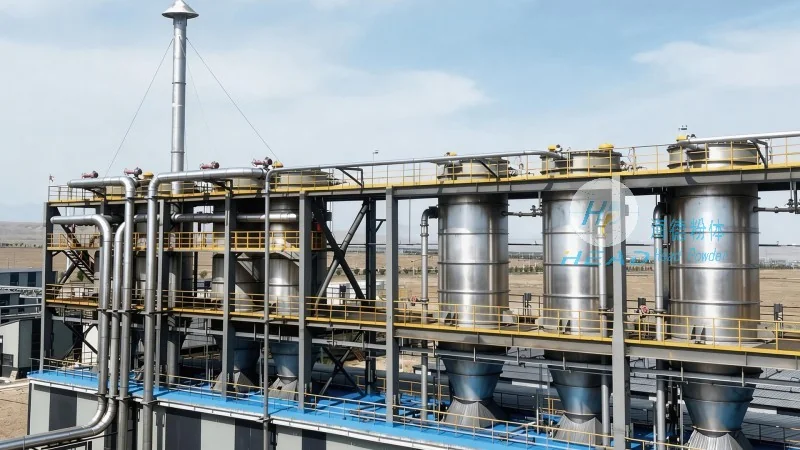
Compared to traditional mechanical conveyors, HeadPowder's pneumatic conveying system offers significant improvements in terms of efficiency and operational costs. The system minimizes labor requirements and reduces the need for frequent maintenance, as there are fewer moving parts involved. The use of compressed air as the primary power source also contributes to lower energy costs over time. Furthermore, the system's ability to handle both bulk and fine materials makes it a versatile choice for various stages of cocoa processing, from raw material intake to packaging.
Customization and Reliability
HeadPowder understands that each cocoa processing facility has unique needs. Therefore, their pneumatic conveying systems are customizable to meet specific requirements, including different pipe sizes, material handling capacities, and control systems. The company's commitment to quality and reliability is reflected in the robust construction of their equipment, which is designed to withstand the demands of continuous operation in a food processing environment. With a focus on durability and performance, HeadPowder's systems are built to provide long-term reliability and minimal downtime.
Conclusion
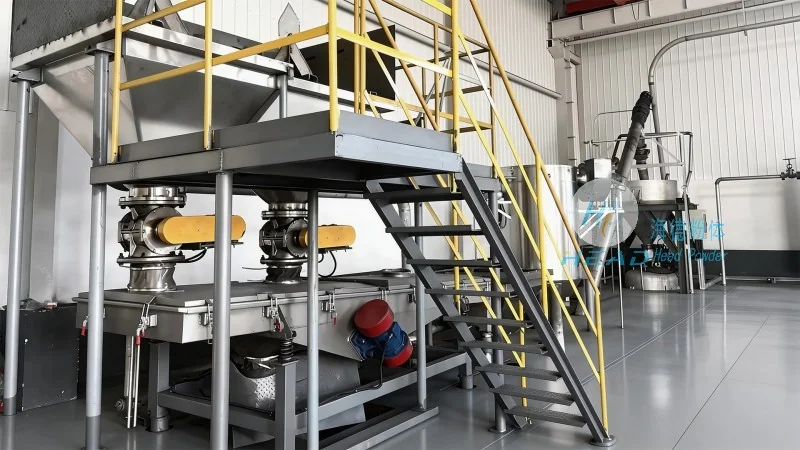
In summary, while traditional cocoa conveying methods have their place, modern pneumatic conveying systems like those offered by HeadPowder Engineering Co., Ltd. provide significant advantages in terms of efficiency, product quality, and cost-effectiveness. By leveraging advanced technology and a deep understanding of the industry, HeadPowder provides a reliable solution for transporting cocoa, ensuring that facilities can operate at optimal levels with minimal disruptions. For those seeking a superior cocoa conveying system, HeadPowder's pneumatic conveying technology stands out as a top choice.