

Common Plaster Powder Conveying Methods: Advantages and Features of HeadPowder Pneumatic Conveying
When it comes to transporting plaster powder in industrial and construction settings, selecting the right conveying method is crucial for efficiency, safety, and cost-effectiveness. Plaster powder, with its fine particle size and potential for dust generation, requires specialized equipment to handle its unique properties. The primary goal of any conveying system is to move the material from its source to the processing or application point with minimal loss, contamination, and operational disruption. In this context, various methods have been developed, each with its own set of advantages and limitations. Understanding these methods helps businesses choose the most suitable solution for their specific needs.
Traditional Conveying Methods and Their Limitations
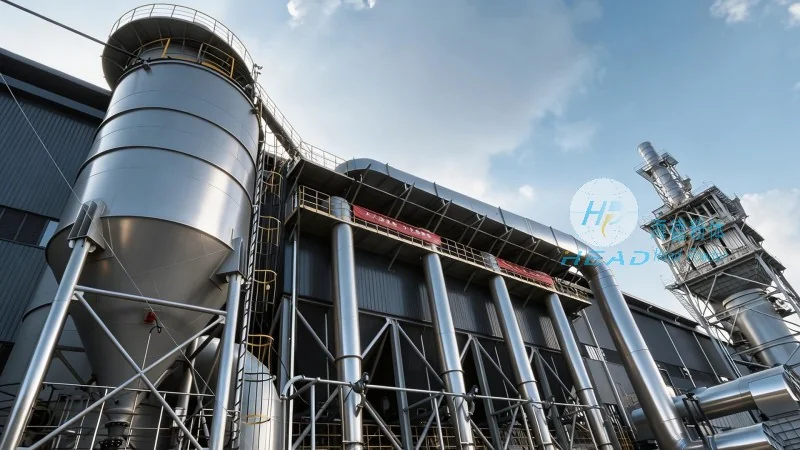
Historically, plaster powder has been conveyed using methods such as belt conveyors, screw conveyors, and bucket elevators. Belt conveyors are widely used for bulk material handling, but they are not ideal for fine powders due to the risk of material buildup and spillage. The friction between the belt and the material can also cause wear and tear, leading to increased maintenance costs. Screw conveyors, while effective for some bulk materials, suffer from the same issues as belt conveyors when dealing with fine powders. They can cause material degradation and are prone to clogging, especially if the powder is hygroscopic or has a tendency to stick together. Bucket elevators are another option, but they require high maintenance and can be noisy, making them less suitable for environments where noise control is a priority. These traditional methods often struggle with the specific challenges posed by plaster powder, such as dust generation, material segregation, and the need for gentle handling to prevent degradation.
Pneumatic Conveying: A Modern Solution for Plaster Powder
Pneumatic conveying, also known as air conveying, has emerged as a preferred method for handling plaster powder due to its ability to address many of the limitations of traditional systems. This technology uses compressed air to transport the material through a pipeline system. The material is suspended in the air stream and carried to the destination. There are two main types of pneumatic conveying: pressure and vacuum. Pressure systems use compressed air to push the material through the line, while vacuum systems use a vacuum to pull the material into the pipeline. Both types offer advantages, but the choice depends on the distance, height, and volume of material to be conveyed.
Advantages of HeadPowder Pneumatic Conveying Systems
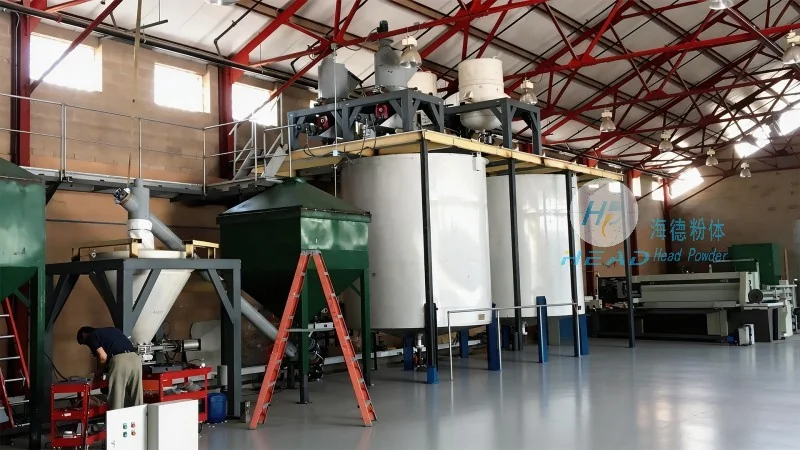
Shandong HeadPowder Engineering Co., Ltd. specializes in the design, manufacturing, and installation of pneumatic conveying systems tailored for plaster powder applications. Their systems are engineered to provide several key advantages that enhance operational efficiency and material quality. One of the primary benefits is the gentle handling of the material. Unlike mechanical systems that can cause abrasion or degradation, pneumatic conveying minimizes particle breakage, preserving the integrity of the plaster powder. This is particularly important for high-quality plaster products where particle size and consistency are critical. Another advantage is the ability to handle fine powders without the risk of clogging or blockages. The air stream effectively transports even the finest particles, ensuring consistent flow and preventing system downtime.
Efficiency and Cost-Effectiveness
HeadPowder pneumatic conveying systems are designed for high efficiency, reducing energy consumption and operational costs. The use of compressed air allows for a continuous, uninterrupted flow of material, minimizing the need for manual intervention or frequent system maintenance. This leads to lower labor costs and increased productivity. Additionally, the systems are compact and can be integrated into existing facilities without major structural modifications. This makes them a cost-effective solution for businesses looking to upgrade their material handling capabilities without a significant capital investment. The reduced risk of dust contamination and material loss also contributes to cost savings, as less material is wasted during the conveying process.
Customization and Scalability
Shandong HeadPowder Engineering Co., Ltd. understands that each industrial application has unique requirements. Therefore, their pneumatic conveying systems are highly customizable to meet specific needs. Whether the application involves short-distance conveying within a factory or long-distance transport between facilities, the system can be scaled to accommodate the required volume and distance. The company offers a range of components, including rotary valves, airlocks, and filter systems, that can be integrated into a custom solution. This flexibility ensures that the system is optimized for the specific characteristics of the plaster powder, such as its moisture content, particle size distribution, and flow properties. The ability to scale the system also allows businesses to expand their operations without replacing the entire conveying infrastructure.
Reliability and Maintenance
Reliability is a critical factor in any industrial system, and HeadPowder pneumatic conveying systems are built to provide consistent performance over extended periods. The components are made from high-quality materials, such as stainless steel and corrosion-resistant alloys, which are resistant to the abrasive and corrosive properties of plaster powder. This reduces the risk of component failure and extends the service life of the system. The systems are also designed with easy access to maintenance points, making routine checks and repairs more efficient. Regular maintenance, such as cleaning filters and checking air pressure, is straightforward, ensuring that the system remains in optimal condition. The company provides comprehensive maintenance services and spare parts to support their customers, further enhancing the reliability of the system.
Environmental Considerations
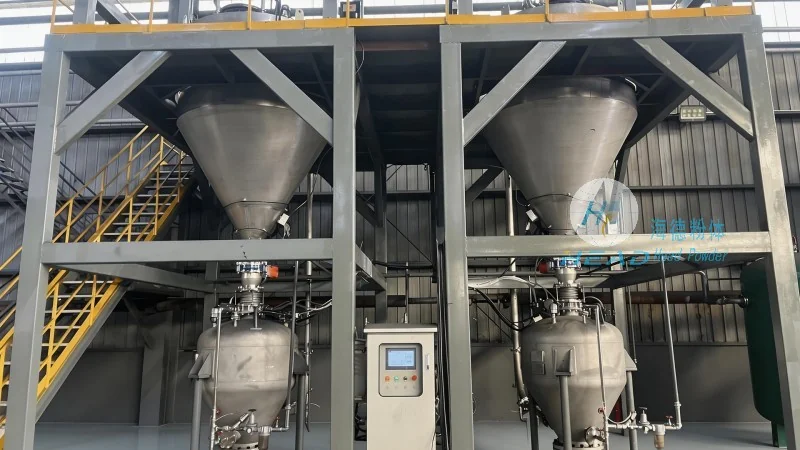
With increasing emphasis on environmental sustainability, the environmental impact of material handling systems is an important consideration. HeadPowder pneumatic conveying systems offer several environmental advantages. The enclosed pipeline system prevents dust from being released into the environment, reducing air pollution and the risk of dust-related health issues for workers. The system also minimizes material loss, as the enclosed design ensures that the material is contained throughout the conveying process. This reduces the amount of waste generated and the need for additional cleaning or disposal procedures. Additionally, the energy efficiency of the system contributes to lower carbon emissions, aligning with global efforts to reduce industrial environmental impact.
Conclusion
In conclusion, the choice of a conveying method for plaster powder is a critical decision that impacts operational efficiency, material quality, and overall costs. Traditional methods such as belt and screw conveyors have limitations when dealing with fine powders, including the risk of clogging, material degradation, and high maintenance costs. Pneumatic conveying, particularly with specialized systems from Shandong HeadPowder Engineering Co., Ltd., offers a modern and effective solution. The advantages of gentle handling, efficient material transport, and reduced maintenance make pneumatic conveying an attractive option for businesses in the plaster and construction industries. By investing in a well-designed pneumatic conveying system, companies can improve their operational performance, enhance product quality, and achieve long-term cost savings. As the demand for high-quality plaster products continues to grow, the importance of efficient material handling will only increase, making systems like those offered by HeadPowder increasingly valuable.