

Common Polyacrylamide Conveying Methods and the Advantages of HeadPowder's Pneumatic Conveying System
When it comes to handling polyacrylamide (PAM), a key industrial polymer used in water treatment and other applications, the choice of conveying method is critical for efficiency, cost-effectiveness, and operational safety. Various methods exist, each with its own set of advantages and limitations. This article explores common polyacrylamide conveying methods and highlights the superior features of HeadPowder's pneumatic conveying system, a solution that has become increasingly popular in the industry.
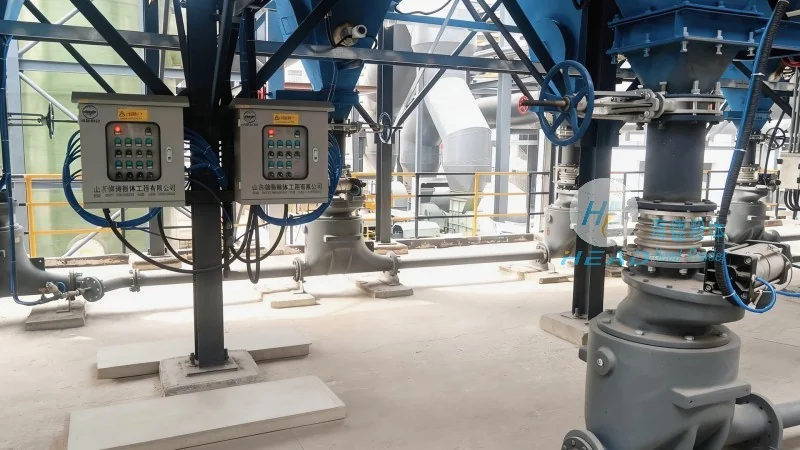
Understanding Polyacrylamide and Conveying Challenges
Polyacrylamide is a high-molecular-weight polymer that is often used in powdered or granular form. Its handling requires specialized equipment due to its hygroscopic nature and potential for dust generation. Traditional conveying methods, such as belt conveyors or screw conveyors, may face challenges like material degradation, blockages, and increased maintenance costs. These issues have prompted the development of more advanced solutions, particularly pneumatic conveying systems.
Common Polyacrylamide Conveying Methods
Several methods are commonly employed for transporting polyacrylamide, including:
1. Belt Conveyors: These are widely used for bulk material handling. However, they are not ideal for polyacrylamide due to the risk of material sticking to the belt, leading to uneven flow and potential blockages. Regular cleaning and maintenance are required to prevent material buildup.
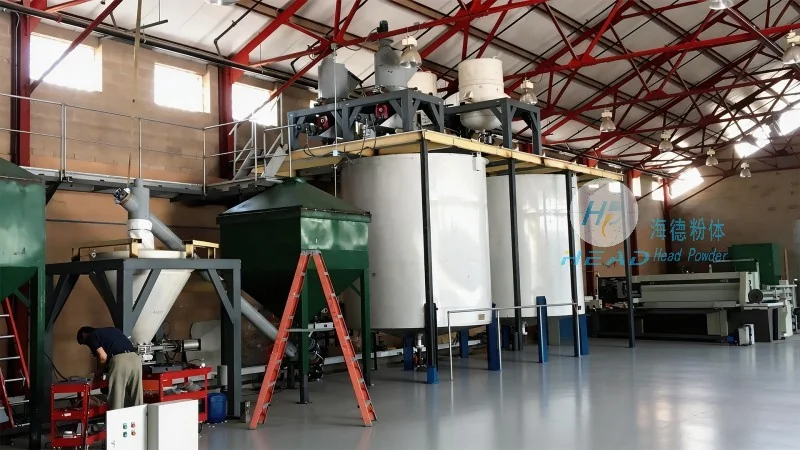
2. Screw Conveyors: Screw conveyors use a rotating screw to move material along a tube. While effective for some powders, they can cause excessive friction and heat generation, which may degrade the polyacrylamide's properties. Additionally, they are prone to clogging, especially with fine powders.
3. Pneumatic Conveying (Air-Lift or Pressure Type): This method uses air or gas to transport material through a pipeline. It offers advantages like dust-free operation and the ability to handle fine powders without degradation. However, traditional pneumatic systems may have limitations in terms of distance and material capacity.
HeadPowder's Pneumatic Conveying System: Advantages and Features
HeadPowder, a leading manufacturer based in Shandong, China, has developed a state-of-the-art pneumatic conveying system specifically designed for polyacrylamide. This system incorporates advanced technology to address the challenges associated with traditional conveying methods, offering several key advantages:
1. Efficient and Dust-Free Operation: The system uses a closed-loop design, ensuring that polyacrylamide is conveyed without generating dust, which is a significant health and safety benefit. This also prevents material loss and contamination.
2. Reduced Maintenance and Downtime: By eliminating moving parts in contact with the material, the system minimizes wear and tear. This leads to lower maintenance costs and less downtime compared to traditional screw or belt conveyors.
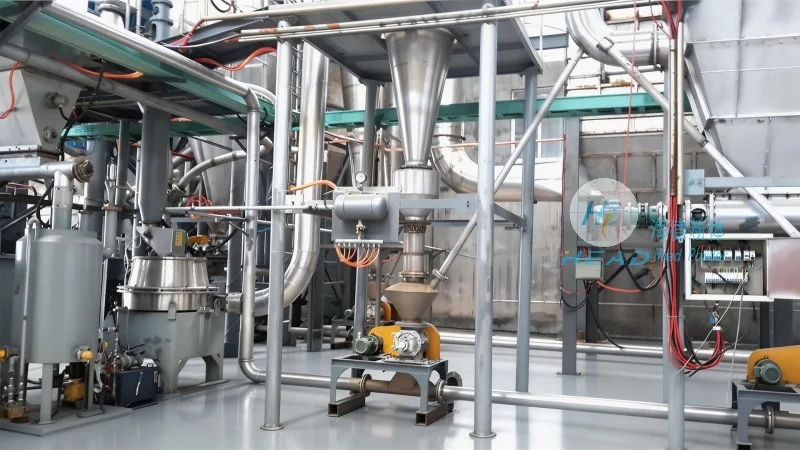
3. Enhanced Material Handling Capabilities: HeadPowder's system is capable of handling a wide range of polyacrylamide types, including powdered and granular forms. It can transport materials over longer distances with consistent flow rates, ensuring reliable performance.
4. Energy Efficiency: The design optimizes air usage, reducing energy consumption while maintaining high conveying efficiency. This makes it a cost-effective solution for long-term operation.
Key Features of HeadPowder's Pneumatic Conveying System
HeadPowder's pneumatic conveying system is equipped with several features that enhance its performance and usability:
1. Advanced Control Systems: The system includes intelligent control panels that allow for real-time monitoring and adjustment of conveying parameters. This ensures optimal performance and allows for quick troubleshooting.
2. Customizable Solutions: HeadPowder offers tailored solutions based on the specific needs of clients, including different pipeline configurations, material feed mechanisms, and pressure settings.

3. Robust Construction: The equipment is built with high-quality materials to withstand the demands of industrial environments, ensuring durability and long service life.
4. Compliance with Industry Standards: All products comply with relevant safety and environmental regulations, providing peace of mind to users.
Conclusion
Choosing the right conveying method for polyacrylamide is essential for maintaining operational efficiency and product quality. While traditional methods like belt and screw conveyors have their uses, they often fall short in terms of reliability and safety. HeadPowder's pneumatic conveying system offers a superior alternative, combining efficiency, durability, and advanced technology to meet the demands of modern industrial applications. For businesses looking to optimize their polyacrylamide handling processes, HeadPowder's solution provides a reliable and cost-effective option.