Công ty TNHH Kỹ thuật Headpowder Sơn Đông chuyên vận chuyển khí nén bột và hạt. Nhờ thế mạnh hợp tác doanh nghiệp‑trường‑viện, chúng tôi cung cấp giải pháp vận chuyển kín, không bụi, độ chính xác cao.
Clay, a versatile and widely used material across various industries, requires efficient and reliable transport methods to ensure seamless production processes. The selection of a clay transport method depends on several factors, including the type of clay, the distance it needs to be moved, the volume of material, and the specific operational requirements of the application. In this article, we will explore the different clay transport methods available, detailing their characteristics, advantages, and typical use cases to help you make an informed decision.
1. Pneumatic Conveying Systems

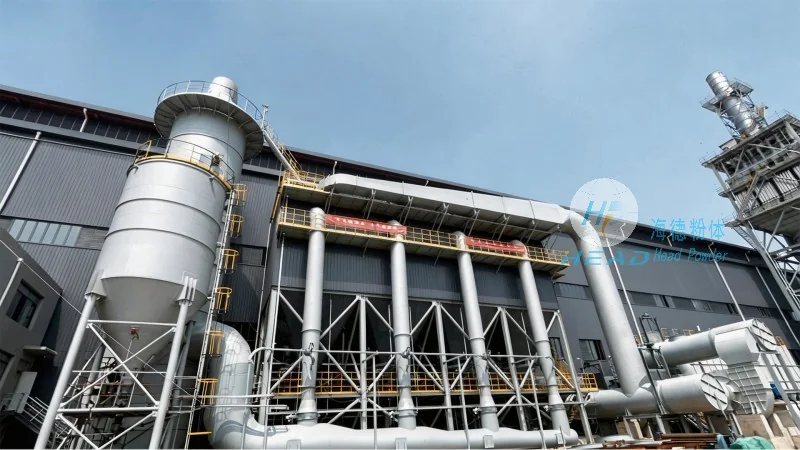
Pneumatic conveying, also known as air conveying, is a popular choice for transporting clay due to its ability to move material over long distances with minimal maintenance. This system utilizes compressed air to create a flow that carries clay particles through a pipeline. There are two primary types: dilute phase and dense phase. Dilute phase systems are ideal for transporting fine clay powders over short to medium distances, while dense phase systems are better suited for bulk clay and longer transport routes. The advantages of pneumatic conveying include high efficiency, low labor costs, and the capability to operate in a closed system, which helps maintain product quality and prevent contamination. However, this method may require higher energy consumption and specialized equipment, which can be a consideration for some operations.
2. Screw Conveyors
Screw conveyors, or auger conveyors, are a cost-effective and common solution for bulk clay transport. These systems consist of a rotating screw (auger) inside a trough or tube, which moves the clay along the length of the conveyor. Screw conveyors are particularly effective for horizontal or slightly inclined transport of clay and can handle a wide range of clay types, from wet to dry. The main benefits of screw conveyors include simple design, low maintenance requirements, and the ability to operate in both closed and open systems. They are frequently used in industries such as ceramics, construction, and agriculture for transporting clay from storage to processing equipment. However, screw conveyors may not be suitable for very fine or abrasive clay, as this can lead to increased wear on the screw and trough.
3. Belt Conveyors
Belt conveyors are another widely used method for transporting clay, especially in large-scale operations. These systems employ a continuous belt that moves over rollers or pulleys to transport the clay from one location to another. Belt conveyors are capable of handling large volumes of clay and can be designed for both horizontal and inclined transport. They are particularly effective for long-distance transport and in harsh environments. The advantages of belt conveyors include high capacity, low energy consumption, and the ability to maintain a continuous flow. However, they require regular maintenance to ensure the belt remains in good condition and to prevent material buildup. Belt conveyors are commonly utilized in mining, construction, and manufacturing industries for transporting clay from mines or storage facilities to processing plants.
4. Hydraulic Conveying
Hydraulic conveying, or slurry transport, is a method that uses water or other liquids to transport clay as a slurry. This system is especially useful for transporting clay from mines or quarries to processing facilities, particularly when the clay is in a wet or slurry form. The clay is mixed with water to create a slurry, which is then pumped through pipelines to the destination. Hydraulic conveying is effective for transporting large volumes of clay over long distances and can handle abrasive materials without significant wear. The main advantages of hydraulic conveying include high capacity, low cost per ton-mile, and the ability to operate in a closed system. However, this method requires additional equipment for mixing and pumping and may not be suitable for transporting dry clay or fine powders. Hydraulic conveying is commonly used in the mining and construction industries for transporting clay from extraction sites to processing plants.
5. Bucket Elevators
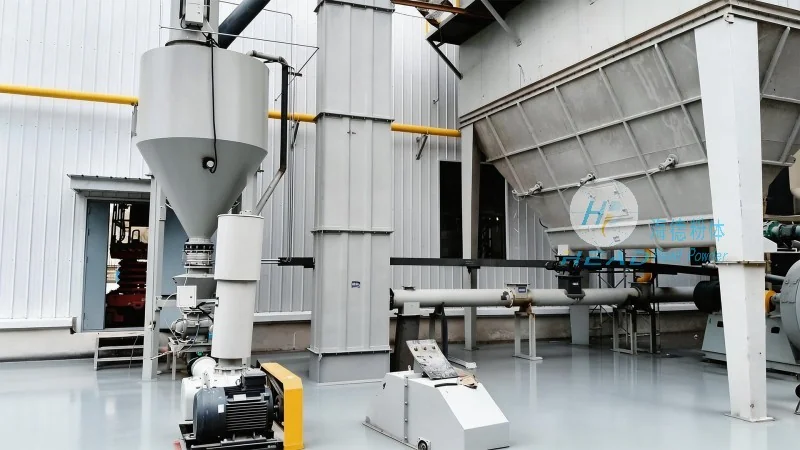
Bucket elevators are a vertical transport method that uses a series of buckets attached to a chain or belt to lift clay from a lower to a higher level. These systems are particularly suitable for vertical or inclined transport, such as from a storage silo to a processing machine. Bucket elevators can handle a wide range of clay types and transport clay at high speeds. The advantages of bucket elevators include high efficiency, low maintenance, and the ability to operate in a closed system. They are commonly used in industries like ceramics and food processing for transporting clay from storage to mixing or processing equipment. However, bucket elevators may not be suitable for very fine or abrasive clay, as this can lead to increased wear on the buckets and chain.
6. Company Information
For professional solutions in clay transport and related engineering services, Shandong HeadPowder Engineering Co., Ltd. offers a range of high-quality equipment and expertise. With a focus on innovation and customer satisfaction, HeadPowder provides tailored solutions to meet the specific needs of clients in the clay processing industry. Located in Shandong, China, HeadPowder leverages its local presence and industry knowledge to deliver reliable and efficient clay transport systems. Whether you need pneumatic conveying systems, screw conveyors, or other clay transport solutions, HeadPowder is committed to providing the best possible service and support. Contact HeadPowder today to learn more about how their engineering solutions can enhance your clay transport operations.

 Shandong Headpowder Engineering Co., Ltd.
 156-6277-7102(Quản lý Trương)
  0531-83386006
  Thành phố Tế Nam, Tỉnh Sơn Đông, Trung Quốc
Điện thoại
WeChatTư vấn
Lên đầu