

Oat Transportation Methods: Options and Solutions for Efficient Handling
Efficient transportation of oats is crucial for the agricultural and food processing industries. As a key ingredient in various products, from breakfast cereals to baked goods, the proper handling and movement of oats from farms to processing facilities or distribution centers can significantly impact operational efficiency and product quality. Understanding the available oat transportation methods is essential for businesses looking to optimize their supply chain. This article explores the primary methods used for oat transport, highlighting their advantages, applications, and considerations for implementation.
Understanding Oat Transportation: The Basics
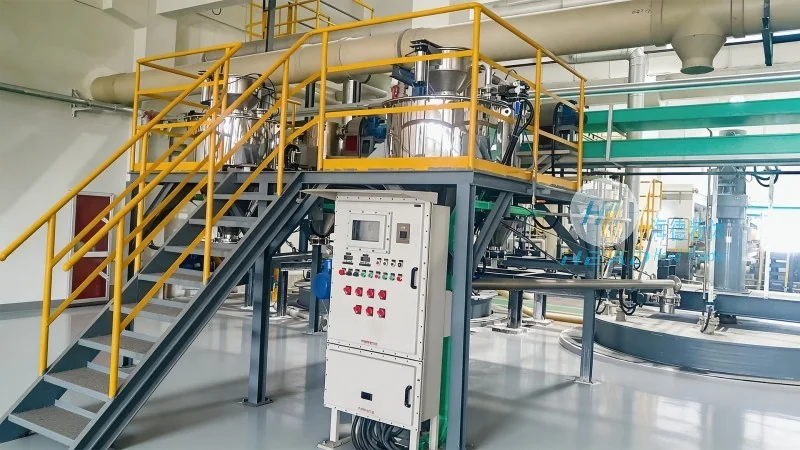
Oats are typically transported in bulk, requiring systems that can handle large volumes while maintaining the integrity of the grain. The choice of transportation method depends on factors such as the distance to be covered, the volume of oats being moved, the existing infrastructure at the source and destination, and the need to preserve the quality of the oats. Common transportation methods include mechanical conveyors, gravity-based systems, and pneumatic (air) conveyors. Each method has its own set of benefits and limitations, making it important to select the most suitable option for specific operational needs.
1. Mechanical Conveyors: A Reliable Traditional Option
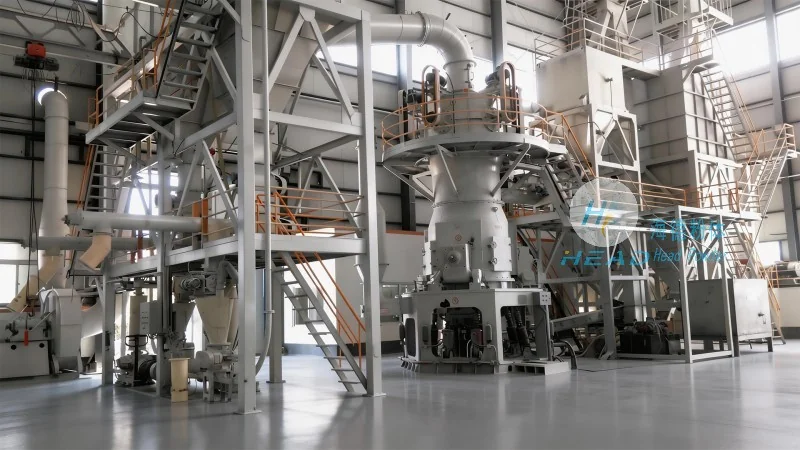
Mechanical conveyors are one of the most widely used methods for oat transportation. These systems utilize moving parts, such as belts, chains, or buckets, to move oats from one location to another. Belt conveyors, for instance, are particularly effective for transporting oats over short to medium distances, with the ability to handle large volumes at a steady pace. They are often used in farm settings to move oats from storage bins or silos to processing equipment. The reliability and durability of mechanical conveyors make them a popular choice for many oat producers and processors. However, they may require regular maintenance to ensure smooth operation and prevent damage to the oats.
2. Gravity-Based Systems: Energy-Efficient and Simple
Gravity-based transportation systems leverage the natural force of gravity to move oats from higher to lower elevations. These systems typically consist of sloped chutes or troughs that allow oats to flow down under their own weight. This method is highly energy-efficient as it does not require external power sources, making it an environmentally friendly option. Gravity conveyors are commonly used in situations where the source and destination are at different heights, such as moving oats from a storage silo to a processing line. While simple in design, gravity systems may have limitations in terms of the distance they can cover and the volume they can handle, as the slope must be steep enough to ensure proper flow.
3. Pneumatic (Air) Conveyors: Flexible and High-Capacity
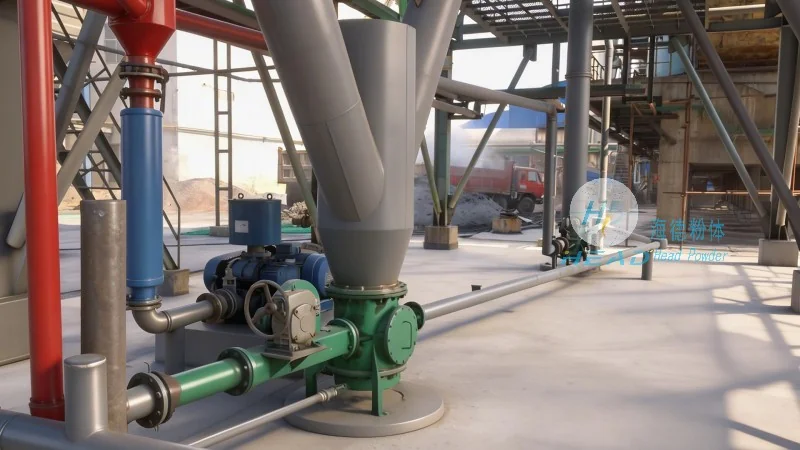
Pneumatic conveyors use air pressure to transport oats through a network of pipes. This method is particularly suitable for moving oats over longer distances or through complex layouts, as it can navigate vertical and horizontal changes with ease. There are two main types of pneumatic conveyors: positive displacement and negative pressure. Positive displacement systems use a pump to force air and oats through the pipe, while negative pressure systems create a vacuum to draw oats into the pipe. Pneumatic conveyors are known for their flexibility and ability to handle both dry and slightly moist oats. They are often used in food processing facilities where hygiene and contamination control are critical. However, they may require more maintenance than other systems and can be more expensive to install.
4. Combining Methods for Optimal Efficiency
In many cases, businesses may combine different transportation methods to achieve optimal efficiency. For example, a farm might use a mechanical conveyor to move oats from a storage bin to a gravity chute, which then transports the oats to a processing plant. This integrated approach allows for the best of each method, leveraging the reliability of mechanical systems, the energy efficiency of gravity, and the flexibility of pneumatic conveyors. Such hybrid systems are particularly useful for large-scale operations where multiple stages of transportation are required.
Choosing the Right Oat Transportation Method for Your Business
Selecting the appropriate oat transportation method requires careful consideration of several factors. First, assess the distance and layout of your operation. Short distances may be better suited for mechanical or gravity systems, while longer distances or complex routes may benefit from pneumatic conveyors. Second, evaluate the volume of oats you need to move. High-volume operations may require more robust systems like large belt conveyors or high-capacity pneumatic systems. Third, consider the need to preserve the quality of the oats. Some methods, such as pneumatic conveyors, may be gentler on the grain, reducing the risk of damage or breakage. Finally, factor in the cost of installation, maintenance, and energy consumption. While pneumatic systems may have higher upfront costs, they can offer long-term savings in terms of energy efficiency and reduced maintenance.
HeadPowder Engineering: Providing Custom Solutions for Oat Transportation
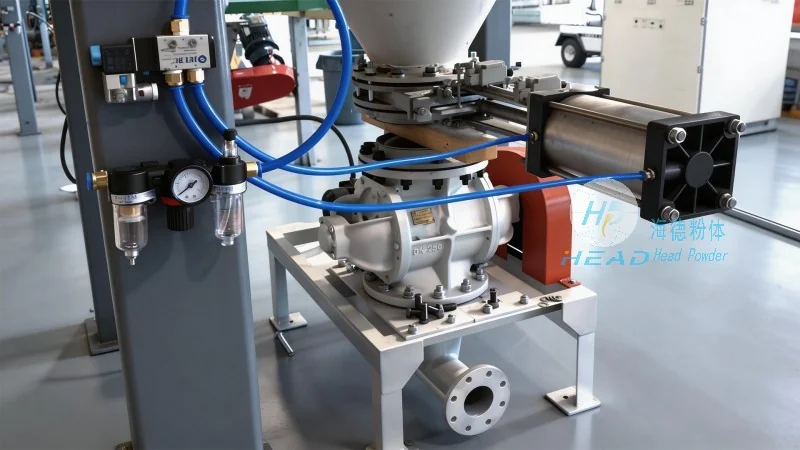
Shandong HeadPowder Engineering Co., Ltd., commonly known as HeadPowder, is a leading provider of engineering solutions for the agricultural and food processing industries. With a focus on innovation and customer satisfaction, HeadPowder specializes in designing and manufacturing customized oat transportation systems tailored to the specific needs of its clients. The company is headquartered in Shandong, China, and has a strong presence in the global market, serving clients across various regions. By leveraging advanced technology and a deep understanding of the industry, HeadPowder helps businesses optimize their oat transportation processes, improve productivity, and maintain the quality of their products.
Conclusion: The Importance of Efficient Oat Transportation
Efficient oat transportation is a critical component of the supply chain for businesses involved in the agricultural and food processing sectors. By understanding the available methods and selecting the most appropriate option, companies can enhance operational efficiency, reduce costs, and ensure the quality of their products. Whether using mechanical conveyors, gravity systems, or pneumatic conveyors, the goal is to move oats safely and effectively from source to destination. With the right approach and the support of experienced providers like HeadPowder, businesses can achieve optimal results in their oat transportation operations.