

Wood Ash Transport Methods: Exploring Effective Options
Wood ash, a byproduct of burning biomass or wood, requires efficient and reliable transport methods to ensure safe and economical handling. As a key component in various industrial applications, the proper selection of transport methods is crucial for maintaining operational efficiency and environmental compliance. This article provides an overview of common wood ash transport methods, focusing on the capabilities and applications of each approach.
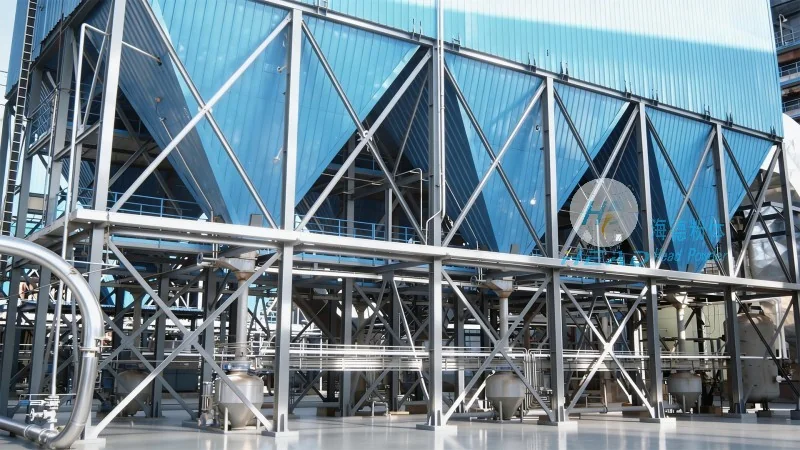
Company Profile: Shandong HeadPowder Engineering Co., Ltd.
HeadPowder, the professional manufacturer behind these solutions, is a leading company in the field of wood ash processing and handling equipment. With a strong presence in China, particularly in Shandong, HeadPowder specializes in developing and supplying high-quality equipment tailored to the unique needs of wood ash transport. The company's commitment to innovation and customer satisfaction has established it as a trusted partner for businesses seeking reliable wood ash handling solutions.
Common Wood Ash Transport Methods
Several methods are commonly used for transporting wood ash, each with its own advantages and suitability for different operational scenarios. The choice of method depends on factors such as the volume of ash to be handled, the distance to be covered, and the specific requirements of the application. Below are some of the most widely used approaches:
Mechanical Conveying Systems
Mechanical conveying systems, including screw conveyors, belt conveyors, and bucket elevators, are widely employed for transporting wood ash. These systems utilize mechanical components to move ash from one location to another. Screw conveyors, for instance, are particularly effective for handling fine or granular ash, as they can transport material horizontally or at a slight incline. Belt conveyors, on the other hand, are suitable for larger volumes and can cover longer distances with minimal maintenance. Bucket elevators are ideal for vertical transport, allowing ash to be lifted to elevated storage or processing areas. Mechanical systems offer advantages such as low operational costs and straightforward maintenance, making them a popular choice for many applications.
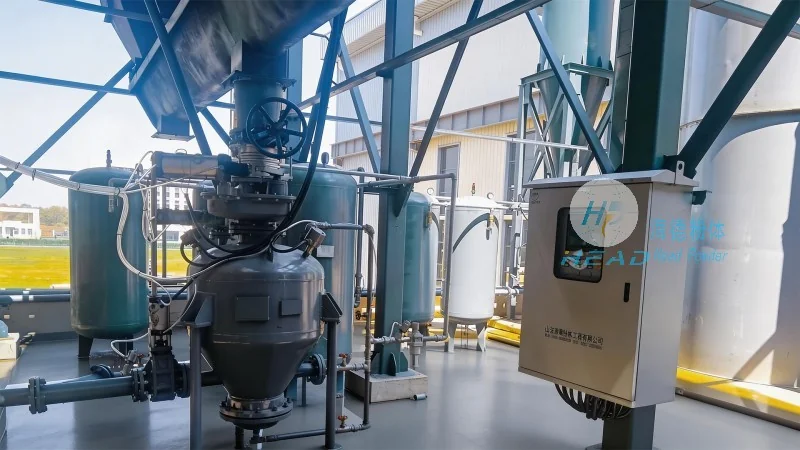
Airborne (Pneumatic) Conveying Systems
Airborne or pneumatic conveying systems use compressed air to transport wood ash through a pipeline. This method is highly efficient for moving ash over medium to long distances and is particularly effective for handling fine or dusty ash. There are two main types of pneumatic conveying: positive displacement and pressure systems. Positive displacement systems use a pump to create a vacuum or pressure, drawing ash into the pipeline. Pressure systems, conversely, use compressed air to push ash through the line. Airborne conveying offers advantages such as the ability to transport ash in a closed system, reducing dust emissions and improving safety. However, it requires higher energy input and may be less suitable for very large volumes or abrasive materials.
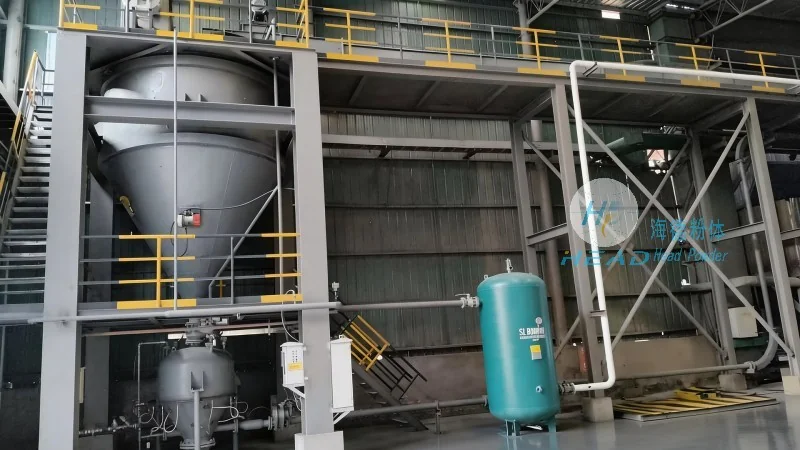
Hydraulic Conveying Systems
Hydraulic conveying systems utilize water to transport wood ash through a pipeline. This method is particularly effective for handling wet or slurry-like ash, as the water helps to keep the material suspended and prevent clogging. Hydraulic systems are commonly used in applications where ash is mixed with water to create a slurry, which is then pumped to a treatment or disposal site. The primary advantage of hydraulic conveying is its ability to handle high volumes of material with relatively low energy consumption. However, it requires additional equipment for water treatment and may not be suitable for dry ash or applications where water is not readily available.
Choosing the Right Transport Method
When selecting a wood ash transport method, several factors must be considered to ensure optimal performance and cost-effectiveness. The first consideration is the volume and consistency of the ash. Fine, dry ash may be better suited for pneumatic conveying, while larger, wetter ash may require hydraulic systems. The distance to be covered is another critical factor; mechanical systems are ideal for short distances, while pneumatic or hydraulic systems are better for longer distances. Additionally, the need for dust control and environmental compliance should be evaluated. Mechanical systems may require additional dust suppression measures, while pneumatic systems inherently reduce dust emissions. Finally, the cost of equipment, installation, and maintenance should be weighed against the operational benefits of each method.
Conclusion
Efficient wood ash transport is essential for maintaining the productivity and sustainability of wood ash processing operations. By understanding the various transport methods available and selecting the most appropriate system for specific needs, businesses can improve operational efficiency, reduce costs, and ensure compliance with environmental regulations. Shandong HeadPowder Engineering Co., Ltd. offers a range of high-quality transport solutions tailored to meet the diverse requirements of wood ash handling, providing reliable and effective equipment for businesses worldwide.