Công ty TNHH Kỹ thuật Headpowder Sơn Đông chuyên vận chuyển khí nén bột và hạt. Nhờ thế mạnh hợp tác doanh nghiệp‑trường‑viện, chúng tôi cung cấp giải pháp vận chuyển kín, không bụi, độ chính xác cao.
When it comes to the efficient and reliable transport of phosphate fertilizer powder, selecting the right conveyance method is crucial for industrial operations. As a leading provider in the field, Shandong HeadPowder Engineering Co., Ltd. (commonly known as HeadPowder) understands the importance of tailored solutions that meet specific operational needs. This article delves into the various methods used for phosphate powder conveyance, highlighting the advantages and considerations for each approach.
Phosphate fertilizer powder, with its fine texture and potential for dust generation, requires specialized equipment to ensure safe and efficient handling. The choice of conveyance method depends on factors such as material properties, distance, volume, and environmental regulations. Below, we explore some of the most common and effective methods used in the industry.
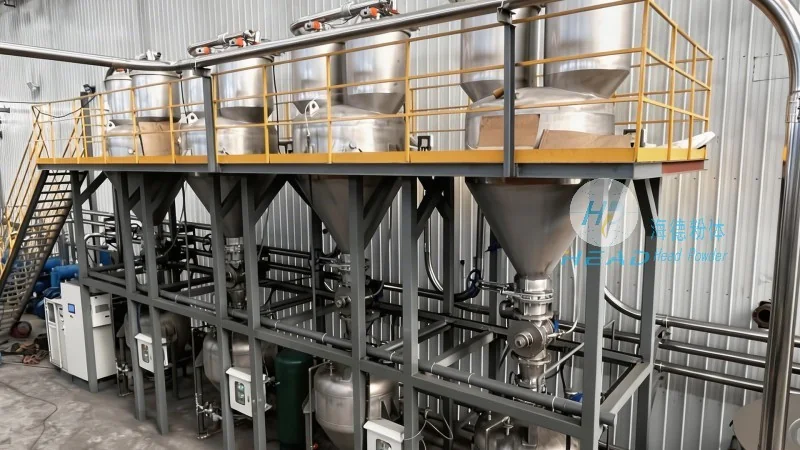
1. Air-Pressure Conveying Systems
Air-pressure conveying, also known as pneumatic conveying, is a widely used method for transporting phosphate powder. This system utilizes compressed air to move the material through a pipeline. There are two main types: positive pressure and negative pressure systems. Positive pressure systems push the material forward using air pressure, while negative pressure systems create a vacuum to draw the material into the pipeline. Air-pressure conveyors are particularly effective for long-distance transport and can handle large volumes of material with minimal maintenance. They are also suitable for applications where dust control is a priority, as the material is contained within the pipeline.
2. Screw Conveyors
Screw conveyors, or auger conveyors, are another common method for conveying phosphate powder. These systems consist of a rotating screw inside a trough, which moves the material forward. Screw conveyors are ideal for horizontal or slightly inclined transport and are often used in processing plants for feeding raw materials into reactors or storage silos. They are relatively simple in design, making them cost-effective and easy to maintain. However, they may not be suitable for very fine powders or materials that are prone to caking, as the screw can cause friction and potential blockages.
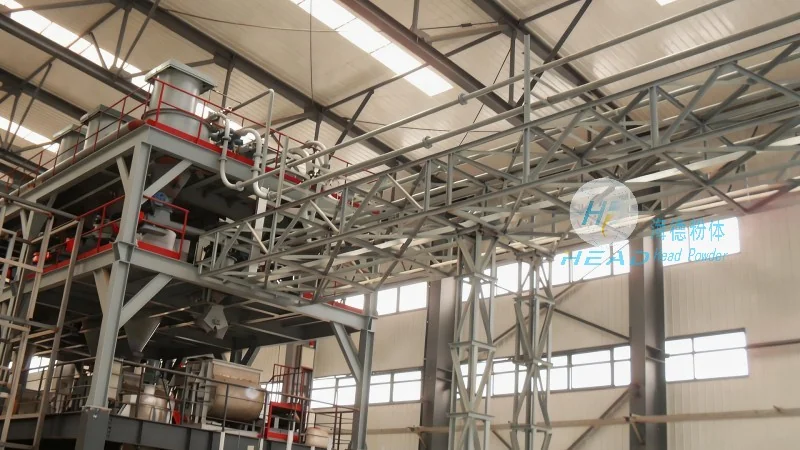
3. Belt Conveyors
Belt conveyors are a versatile option for transporting phosphate powder, especially in bulk handling operations. These systems use a continuous belt that moves the material along a path. Belt conveyors are capable of handling large volumes and can be configured for both horizontal and inclined transport. They are particularly effective for transporting material over long distances and can be integrated with other equipment, such as feeders or screens. Belt conveyors are durable and can withstand heavy loads, making them a reliable choice for industrial applications. However, they require regular maintenance to ensure the belt remains in good condition and to prevent material buildup on the belt surface.
4. Pneumatic Vacuum Conveyors
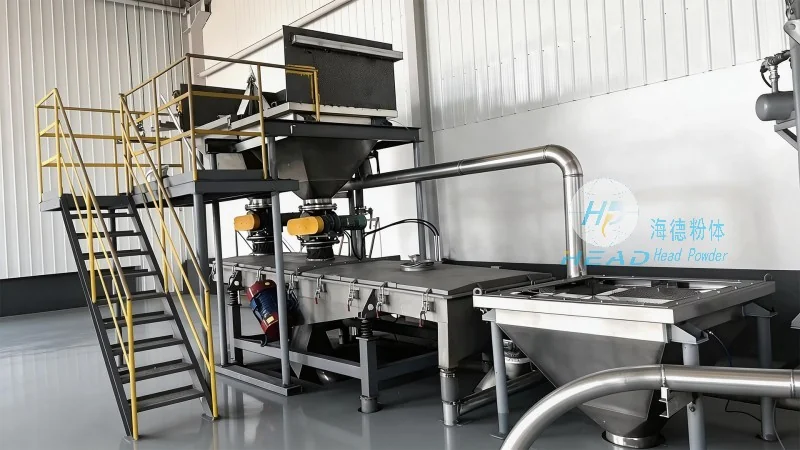
Pneumatic vacuum conveyors are a specialized type of air-pressure system that uses a vacuum to draw phosphate powder into the conveying line. This method is often used for short to medium distances and is particularly effective for handling fine powders that are prone to dusting. The vacuum system creates a low-pressure environment that pulls the material from the source, such as a hopper or storage bin, into the pipeline. Pneumatic vacuum conveyors are easy to install and can be adapted to various layouts, making them a flexible solution for many applications. They are also suitable for applications where dust containment is critical, as the material is kept within the sealed pipeline.
5. Hydraulic Conveying
Hydraulic conveying is a less common but effective method for transporting phosphate powder, especially in applications where long distances or high volumes are involved. This system uses a liquid medium, typically water or a slurry, to move the material through a pipeline. The material is suspended in the liquid and transported to the destination. Hydraulic conveyors are capable of handling very fine powders and can transport material over long distances with minimal energy consumption. However, they require additional equipment for liquid handling and may not be suitable for applications where the material needs to be kept dry or where the liquid medium could cause contamination.
Each of these conveyance methods has its own advantages and limitations, and the choice of system depends on the specific requirements of the operation. At Shandong HeadPowder Engineering Co., Ltd., we provide comprehensive solutions tailored to our clients' needs, ensuring efficient and reliable phosphate powder transport. Our expertise in designing and implementing these systems helps businesses optimize their operations and maintain high standards of safety and performance.
Whether you are looking to upgrade your existing conveyance system or design a new one from scratch, HeadPowder offers the knowledge and experience to deliver effective solutions. By understanding the unique properties of phosphate fertilizer powder and the operational constraints of your facility, we can recommend the most suitable conveyance method to enhance productivity and reduce downtime. Contact us today to learn more about our services and how we can help improve your phosphate powder handling processes.

 Shandong Headpowder Engineering Co., Ltd.
 156-6277-7102(Quản lý Trương)
  0531-83386006
  Thành phố Tế Nam, Tỉnh Sơn Đông, Trung Quốc
Điện thoại
WeChatTư vấn
Lên đầu