Công ty TNHH Kỹ thuật Headpowder Sơn Đông chuyên vận chuyển khí nén bột và hạt. Nhờ thế mạnh hợp tác doanh nghiệp‑trường‑viện, chúng tôi cung cấp giải pháp vận chuyển kín, không bụi, độ chính xác cao.
Alumina, a critical raw material in various industrial applications, requires efficient and reliable conveyance systems to ensure smooth production processes. The choice of conveyance method significantly impacts operational efficiency, material integrity, and overall cost-effectiveness. This article explores the primary methods of alumina conveyance, highlighting the key considerations and applications for each approach.
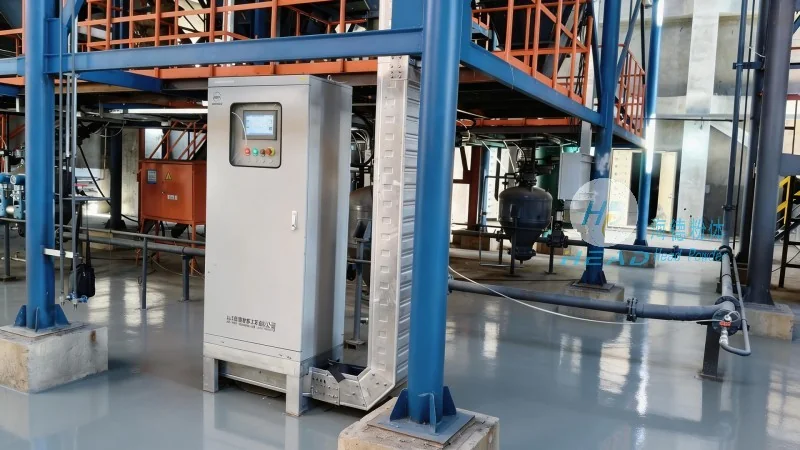
Understanding Alumina Conveyance: Key Factors to Consider
Before delving into specific methods, it is essential to understand the factors that influence the selection of an alumina conveyance system. These factors include the material's properties (such as particle size, density, and moisture content), the distance and elevation changes involved, the required throughput, and the environmental constraints of the facility. Each of these elements plays a crucial role in determining the most suitable conveyance method for a given application.
1. Mechanical Conveyance Systems
Mechanical conveyance systems utilize physical components to move alumina, offering a reliable and straightforward approach for many industrial settings. The most common types include screw conveyors, belt conveyors, and bucket elevators. Screw conveyors, for instance, are ideal for horizontal or slight incline transport, as they can handle a wide range of particle sizes and maintain a consistent flow. Belt conveyors are particularly effective for long-distance horizontal transport, capable of moving large volumes of material with minimal maintenance. Bucket elevators, on the other hand, excel at vertical or steep incline transport, efficiently lifting alumina from lower to higher levels while minimizing material degradation.
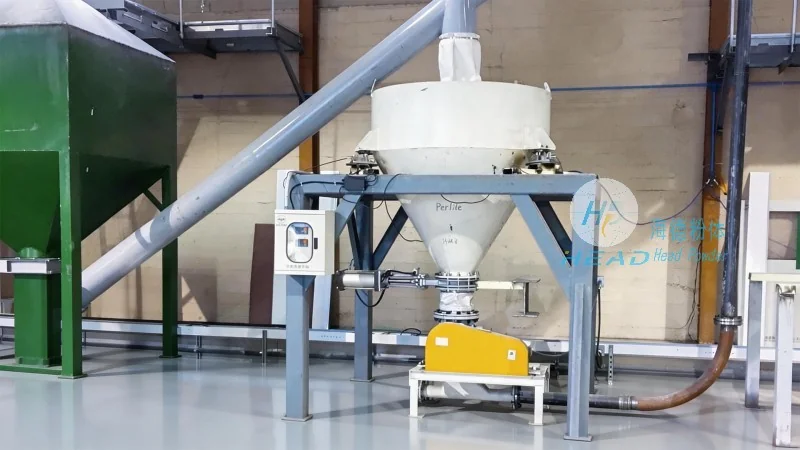
2. Pneumatic Conveyance Systems
Pneumatic conveyance systems use compressed air or other gases to transport alumina through a pipeline network. This method is highly versatile and can handle both dry and slightly moist alumina, making it suitable for applications where dust control and material containment are critical. There are two main types of pneumatic conveyance: dilute-phase and dense-phase systems. Dilute-phase systems use low air velocity to transport material in a suspended state, suitable for short to medium distances. Dense-phase systems, conversely, use higher air velocity and lower air-to-material ratios to move material in a plug flow, ideal for longer distances and more challenging applications. Pneumatic systems are particularly advantageous in environments where dust suppression and material cleanliness are paramount.
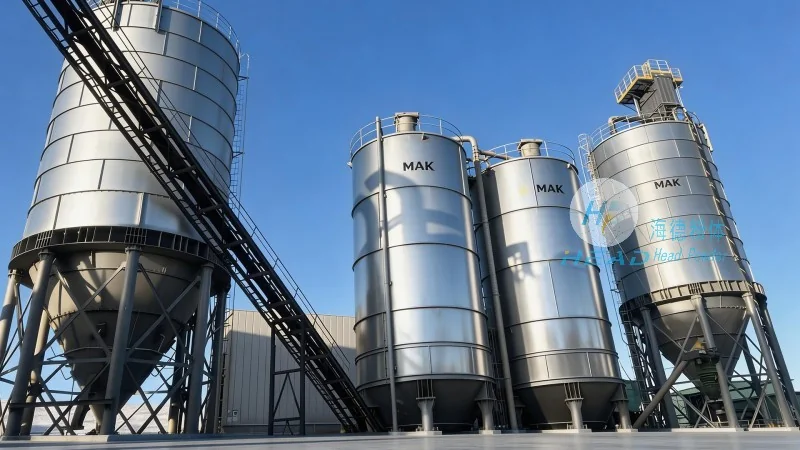
3. Hydraulic Conveyance Systems
Hydraulic conveyance systems employ water or other liquids to transport alumina, typically used in applications involving wet alumina or where the material needs to be mixed with a liquid. This method is commonly seen in the processing of bauxite ore, where the alumina is suspended in a slurry and transported through pipelines. Hydraulic systems are effective for long-distance transport and can handle high volumes of material, but they require careful management of water usage and slurry consistency to maintain efficiency and prevent clogging.
4. Combination Systems
In many industrial settings, a combination of mechanical and pneumatic or hydraulic systems may be employed to achieve optimal performance. For example, a screw conveyor might be used to feed a pneumatic system, or a hydraulic system could be integrated with a mechanical conveyor for vertical transport. These hybrid systems allow for greater flexibility and can adapt to varying production demands, ensuring consistent material flow and minimizing downtime.
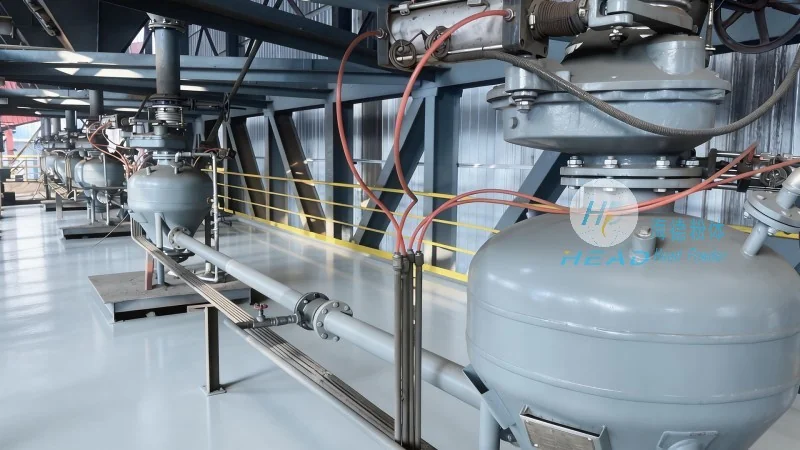
Choosing the Right Alumina Conveyance Method for Your Business
The selection of an alumina conveyance method should be based on a thorough analysis of the specific requirements of the operation. Factors such as the material's characteristics, the distance and elevation changes, the required throughput, and the environmental regulations must all be considered. It is often beneficial to consult with experts in the field, such as Shandong HeadPowder Engineering Co., Ltd., a leading provider of alumina handling solutions. With years of experience and a deep understanding of industrial processes, HeadPowder offers tailored conveyance systems that meet the unique needs of each client, ensuring reliable and efficient alumina transport.
Conclusion
Efficient alumina conveyance is a cornerstone of successful industrial operations, and the choice of method can significantly impact productivity and cost. By understanding the different options available—mechanical, pneumatic, hydraulic, and hybrid systems—and considering the specific requirements of the application, businesses can select the most appropriate conveyance system. For those seeking expert guidance and customized solutions, Shandong HeadPowder Engineering Co., Ltd. stands ready to assist, providing reliable and effective alumina conveyance systems that enhance operational performance and ensure long-term success.

 Shandong Headpowder Engineering Co., Ltd.
 156-6277-7102(Quản lý Trương)
  0531-83386006
  Thành phố Tế Nam, Tỉnh Sơn Đông, Trung Quốc
Điện thoại
WeChatTư vấn
Lên đầu