

[COLUMN] Carbon Black Conveyance Methods
Carbon black is a vital industrial material utilized across diverse sectors such as tire manufacturing, plastic production, and ink formulation. The efficient and safe conveyance of carbon black is fundamental to industrial operations. Shandong HeadPowder Engineering Co., Ltd., a leading enterprise based in Shandong, China, specializes in providing advanced solutions for carbon black handling and transportation. This article examines the primary methods of carbon black conveyance, highlighting technical aspects and practical applications of each approach.
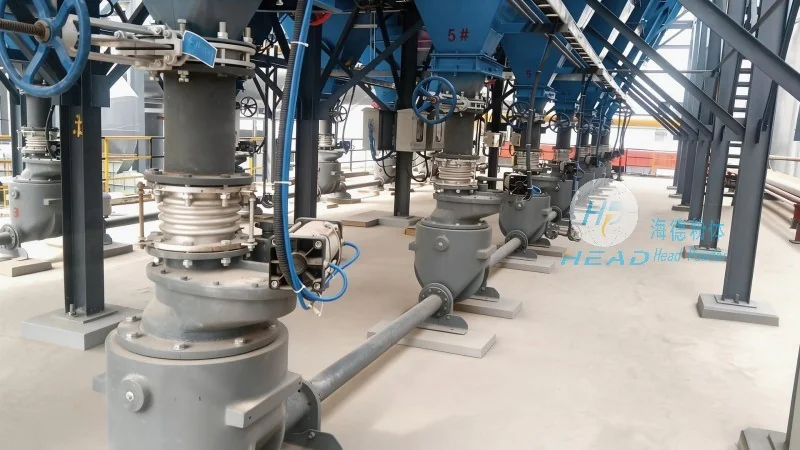
1. Pneumatic Conveying Systems
Pneumatic conveying, also known as air conveying, is a prevalent method for transporting carbon black. This technique leverages compressed air to move the material through pipelines. Two main types exist: pressure and vacuum systems. Pressure systems employ positive pressure to push material forward, while vacuum systems utilize negative pressure to pull it. The selection between these systems hinges on factors like transport distance, material quantity, and required flow rate. Pneumatic conveying offers advantages including high efficiency, minimal material degradation, and the ability to handle fine powders without clogging. However, careful design is needed to prevent particle segregation and ensure consistent flow. Equipment such as airlocks, cyclones, and flexible hoses are used, all engineered to maintain carbon black particle integrity.
2. Mechanical Conveying Systems
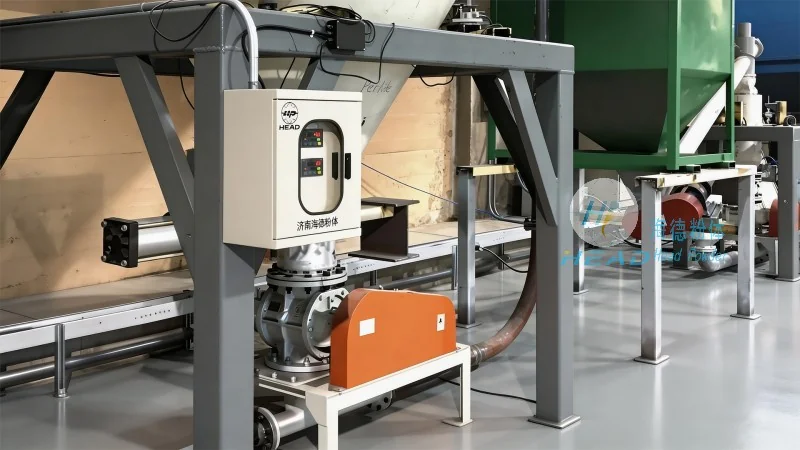
Mechanical conveying systems represent another effective method for carbon black transportation. These systems rely on mechanical components like screws, belts, and buckets to move the material. Screw conveyors are widely used due to simplicity and reliability. They consist of a rotating screw inside a trough, pushing material forward. Screw conveyors suit both horizontal and inclined transport, making them versatile. Belt conveyors are also common for longer distances or larger quantities. They use a continuous belt with idlers and pulleys to maintain tension and direction. Mechanical conveyors are generally more cost-effective than pneumatic systems and can handle larger particle sizes. However, they may cause more wear and tear on material and require regular maintenance to prevent blockages.
3. Hydraulic Conveying Systems
Hydraulic conveying systems utilize water or other liquids to transport carbon black. This method is particularly useful for handling wet or sticky carbon black, challenging for pneumatic or mechanical systems. Carbon black is mixed with water to form a slurry, pumped through pipelines, and later separated from water with carbon black recovered. Hydraulic conveying offers the advantage of transporting carbon black over long distances with minimal energy consumption. However, it requires additional equipment for slurry preparation and separation, increasing overall cost and complexity. The system must be designed to prevent clogging and maintain slurry stability.

4. Combination Conveying Systems
In some industrial applications, a combination of the above methods may be employed to achieve optimal performance. For instance, a pneumatic system might transport carbon black from a storage silo to a processing unit, while a mechanical conveyor moves it to final packaging. This hybrid approach leverages benefits of each method, such as high efficiency and reliability. Design of combination systems requires careful consideration of the entire process flow and specific carbon black handling needs. Shandong HeadPowder Engineering Co., Ltd. specializes in designing and implementing integrated solutions, ensuring efficient, safe, and cost-effective conveyance.
Choosing the right conveyance method for carbon black depends on factors including material properties, distance, flow rate, and budget. Pneumatic systems are ideal for fine powders and high-volume transport, while mechanical systems suit larger particles and longer distances. Hydraulic systems are best for wet or sticky materials. By understanding these options and applications, industrial operators can select the most appropriate conveyance method. Shandong HeadPowder Engineering Co., Ltd. provides expert guidance and customized solutions to help clients choose and implement the optimal carbon black conveyance system for their operations.