

Common Organic Salt Conveying Methods: An Overview of Organic Salt Pneumatic Conveying
Organic salt, a crucial component in various industrial applications, requires efficient and reliable transport methods to ensure smooth production processes. Conveying organic salts involves moving these materials from storage to processing units, and the choice of method significantly impacts operational efficiency, safety, and cost-effectiveness. This article explores common organic salt conveying methods, with a focus on the advantages and applications of pneumatic conveying systems.
Understanding Pneumatic Conveying for Organic Salts
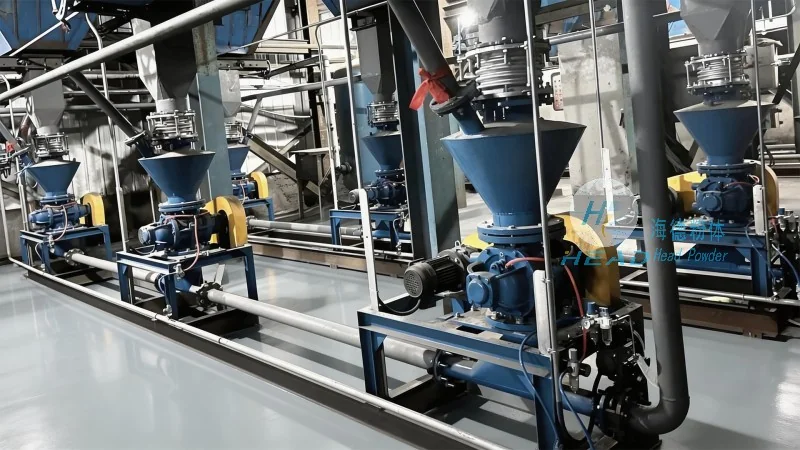
Pneumatic conveying, also known as air-based transport, is a widely adopted method for handling organic salts due to its ability to transport materials in a closed system, minimizing dust exposure and environmental impact. The process involves using compressed air to move particles through a pipeline, making it suitable for both short and long-distance transport. For organic salts, which often have fine particles and can be hygroscopic, pneumatic conveying offers several benefits, including reduced material degradation and improved safety.
Key Components of Organic Salt Pneumatic Conveying Systems
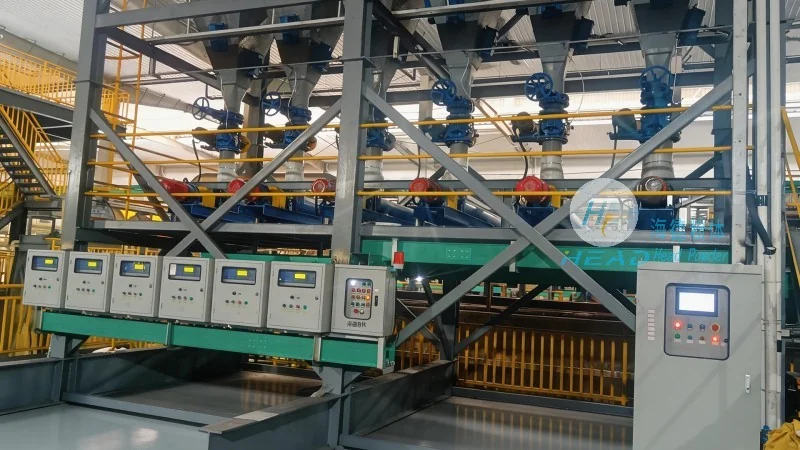
Organic salt pneumatic conveying systems typically consist of several key components that work together to ensure efficient material transport. These include a material feeder, which controls the flow of organic salt into the system; a conveying line, which is usually made of stainless steel or other corrosion-resistant materials to handle the chemical properties of organic salts; a pressure vessel or receiver, which collects the conveyed material; and a control system that regulates air pressure and flow rates. The choice of materials for the conveying line is critical, as organic salts can be corrosive and may require specialized coatings or linings to prevent degradation.
Advantages of Pneumatic Conveying for Organic Salts
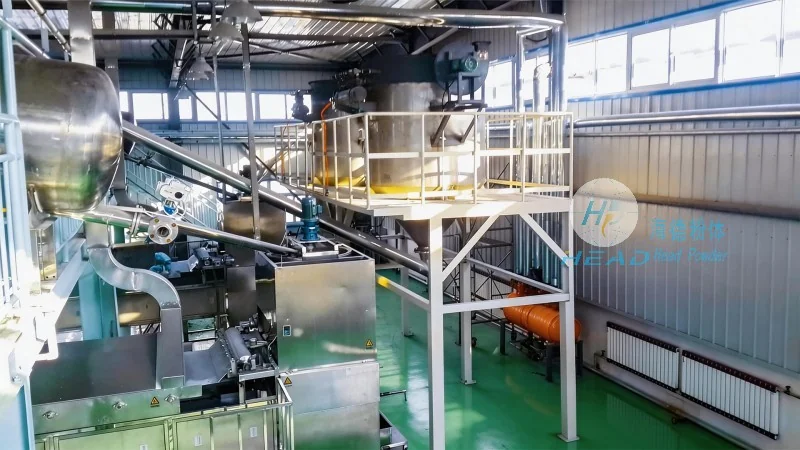
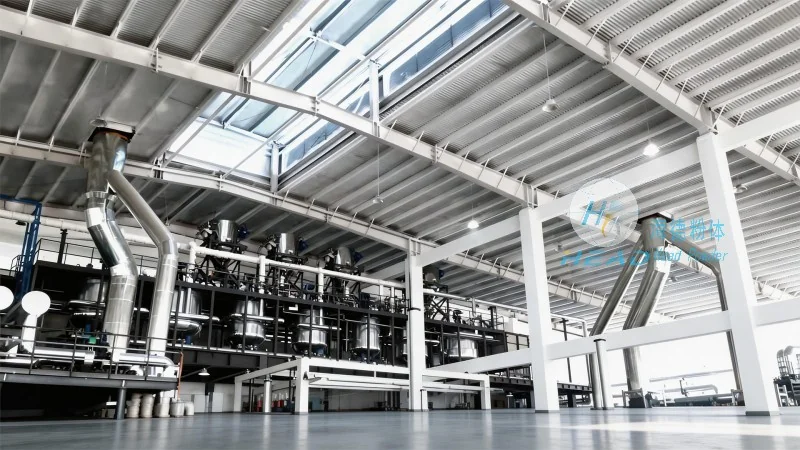
Compared to traditional methods like belt conveyors or bucket elevators, pneumatic conveying offers several advantages for organic salt transport. One of the primary benefits is the ability to handle fine and abrasive particles without causing excessive wear on equipment. This is particularly important for organic salts, which may have a high degree of fineness and can be abrasive to metal surfaces. Additionally, pneumatic conveying systems can be designed to operate in a closed loop, reducing dust emissions and improving workplace safety. The flexibility of pneumatic systems also allows for easy integration with existing production lines, minimizing downtime during installation and operation.
Applications of Organic Salt Pneumatic Conveying
Organic salt pneumatic conveying is used in a variety of industrial applications, including chemical manufacturing, food processing, and pharmaceutical production. In chemical plants, for example, organic salts are often used as raw materials for the production of fertilizers, detergents, and other chemicals. Pneumatic conveying systems are used to transport these salts from storage silos to reactors and processing units, ensuring a continuous and efficient supply of raw materials. In the food industry, organic salts such as sodium benzoate or calcium propionate are used as preservatives, and pneumatic conveying helps maintain product quality by reducing exposure to air and moisture. The pharmaceutical industry also relies on pneumatic conveying for the transport of organic salts used in drug formulations, as it provides a sterile and controlled environment.
Considerations for Implementing Organic Salt Pneumatic Conveying
When implementing a pneumatic conveying system for organic salts, several factors must be considered to ensure optimal performance and longevity. First, the material properties of the organic salt, such as its particle size, density, and moisture content, must be carefully evaluated. These properties affect the flow characteristics and the required air pressure and flow rates. Second, the system design must account for the corrosive nature of organic salts, requiring materials that are resistant to chemical attack. Stainless steel, polyethylene, or other corrosion-resistant materials are commonly used for the conveying line and components. Third, the system must be equipped with proper filtration and cleaning mechanisms to prevent clogging and maintain efficiency. Regular maintenance and cleaning are essential to prevent material buildup and ensure consistent performance.
Conclusion
Organic salt pneumatic conveying is a highly effective method for transporting organic salts in industrial settings. By leveraging compressed air to move materials through a closed system, these systems offer advantages such as reduced dust exposure, improved safety, and flexibility in integration with existing processes. For companies dealing with organic salts, investing in a well-designed pneumatic conveying system can lead to increased operational efficiency, lower maintenance costs, and enhanced product quality. As the demand for efficient material handling solutions continues to grow, pneumatic conveying remains a reliable and cost-effective option for organic salt transport.