

Methods of Phenolic Coated Sand Conveying
Phenolic coated sand, a critical material in the foundry industry, requires efficient and reliable conveying systems to ensure smooth production processes. As a leading supplier in the field, Shandong HeadPowder Engineering Co., Ltd. offers a range of conveying methods tailored to different operational needs. This article explores the primary methods of phenolic coated sand conveying, highlighting their applications, advantages, and considerations for implementation.
1. Mechanical Conveying Systems
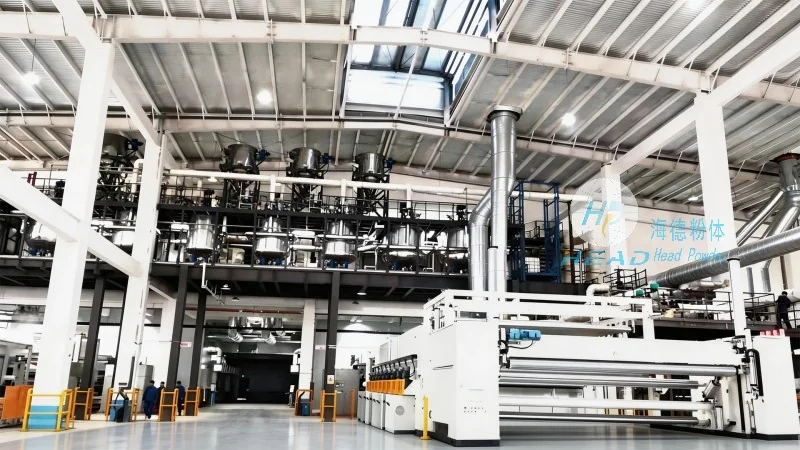
Mechanical conveying systems are among the most common solutions for phenolic coated sand transport. These systems utilize mechanical components such as belt conveyors, screw conveyors, and bucket elevators to move the sand horizontally or vertically. Belt conveyors, for instance, are ideal for long-distance horizontal transport, capable of handling large volumes of material with minimal maintenance. Screw conveyors, on the other hand, are suitable for vertical or inclined transport, providing a compact design that fits into confined spaces. The primary advantage of mechanical systems is their simplicity and low operational cost, making them a preferred choice for many foundries. However, they may not be as effective for dusty or fine-grained materials, as the sand can easily accumulate on the conveyor surfaces, potentially leading to blockages or reduced efficiency.
2. Pneumatic Conveying Systems
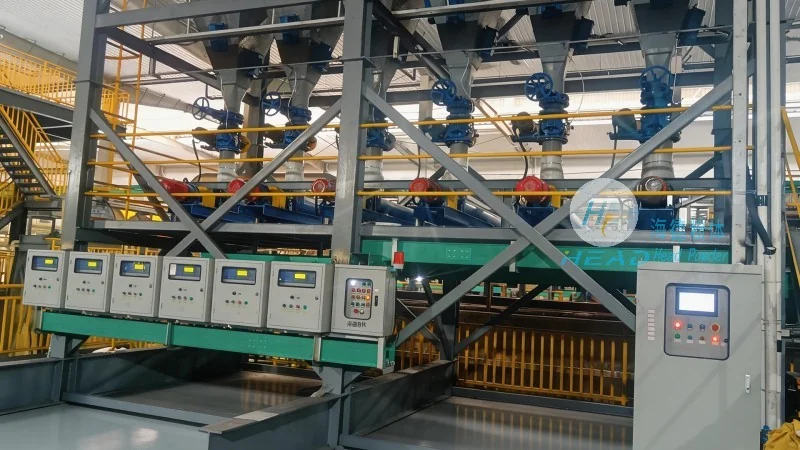
Pneumatic conveying systems represent an alternative approach to phenolic coated sand transport, leveraging compressed air or vacuum to move the material through a pipeline. This method is particularly effective for short to medium-distance transport, especially when vertical or horizontal elevation changes are required. There are two main types of pneumatic conveying: pressure and vacuum systems. Pressure systems use compressed air to push the sand through the pipeline, while vacuum systems draw the material using a vacuum pump. Pneumatic systems offer several benefits, including reduced dust generation compared to mechanical systems, as the sand is enclosed within the pipeline. This helps maintain a cleaner working environment and minimizes the risk of respiratory issues for workers. Additionally, pneumatic conveyors can handle fine or abrasive materials without causing excessive wear on the equipment. However, they require higher energy consumption and may need more complex control systems to manage pressure and flow rates. The choice between pressure and vacuum systems depends on the specific application, with pressure systems generally preferred for longer distances and higher material loads.
3. Hybrid Conveying Solutions
For more complex foundry operations, hybrid conveying systems combine the advantages of both mechanical and pneumatic methods. These systems often integrate a mechanical conveyor for initial transport and a pneumatic component for final delivery or sorting. For example, a screw conveyor might transport sand from a storage silo to a pneumatic line that delivers it to the molding machine. This hybrid approach allows for flexible and efficient material handling, accommodating varying production demands and spatial constraints. Hybrid systems are particularly useful in large-scale foundries where multiple processing stages are involved, as they can streamline the flow of phenolic coated sand from storage to the molding area. The key to successful implementation of hybrid systems lies in proper integration and control, ensuring that the mechanical and pneumatic components work in harmony to maintain consistent material flow and prevent bottlenecks.
4. Factors Influencing Conveying Method Selection
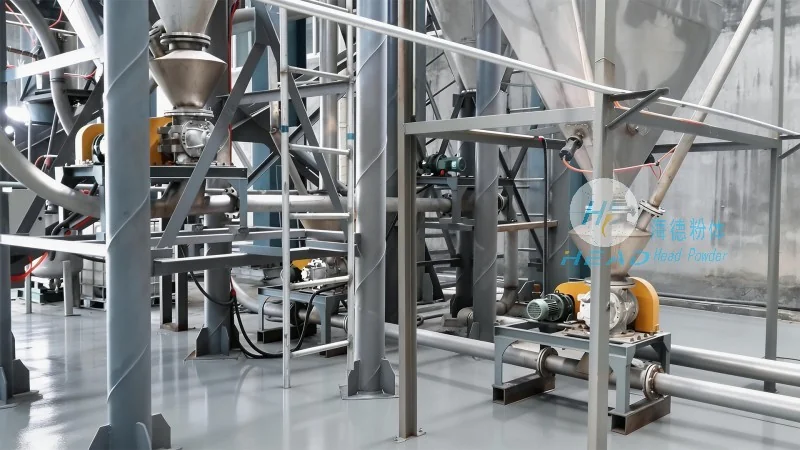
When selecting a phenolic coated sand conveying method, several factors must be considered to ensure optimal performance and cost-effectiveness. The first factor is the distance and elevation changes required for transport. Long horizontal distances or significant vertical lifts may necessitate pneumatic systems, while shorter distances with minimal elevation changes can be handled by mechanical systems. The second factor is the material characteristics, such as particle size, moisture content, and abrasiveness. Fine or dusty sand may require enclosed systems like pneumatic conveyors to prevent contamination and improve worker safety. The third factor is the production volume and throughput requirements. High-volume operations may benefit from continuous mechanical systems, while lower-volume or intermittent processes might use intermittent pneumatic systems. Finally, the available space and budget constraints play a crucial role. Mechanical systems are generally more cost-effective for small to medium-sized operations, while pneumatic systems may be justified for large-scale or high-value applications. Shandong HeadPowder Engineering Co., Ltd. provides expert consultation to help clients evaluate these factors and choose the most suitable conveying method for their specific foundry needs.
5. Conclusion
In conclusion, the choice of phenolic coated sand conveying method depends on a combination of operational requirements, material characteristics, and cost considerations. Mechanical systems offer simplicity and low maintenance, while pneumatic systems provide enclosed transport and reduced dust. Hybrid solutions offer flexibility for complex operations. By understanding the advantages and limitations of each method, foundries can select the most efficient and reliable conveying system to enhance their production processes. Shandong HeadPowder Engineering Co., Ltd. specializes in providing tailored conveying solutions that meet the unique needs of each client, ensuring optimal performance and longevity of the equipment. With a focus on quality and customer satisfaction, HeadPowder continues to be a trusted partner in the foundry industry, helping businesses improve their material handling efficiency and overall productivity.