

What are the methods for transporting zinc calcine?
Zinc calcine, a critical intermediate product in the zinc metallurgical process, requires efficient and reliable transportation methods to ensure smooth production flow. As a professional manufacturer in the field, Shandong HeadPowder Engineering Co., Ltd. offers various solutions tailored to different production scenarios. This article will explore the common methods for zinc calcine transportation, highlighting the key considerations and advantages of each approach.
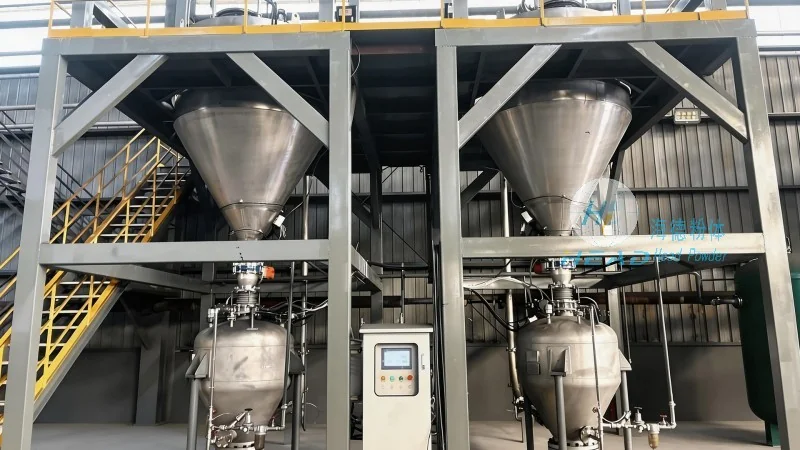
1. Belt Conveyor System for Zinc Calcine
Belt conveyors are one of the most widely used equipment for transporting zinc calcine due to their high load capacity, long-distance transport capability, and low maintenance requirements. The system typically consists of a drive unit, conveyor belt, idlers, and a tail pulley. For zinc calcine, which often has a certain degree of moisture and may contain fine particles, the selection of conveyor belt material is crucial. High-quality rubber or PVC belts with good wear resistance and corrosion resistance are recommended to prevent material degradation and belt damage. The belt speed and inclination angle are also adjustable to optimize the transport efficiency based on the calcine characteristics and required output. In industrial applications, belt conveyors can be integrated with other equipment such as crushers and screens to form a complete material handling line, ensuring the calcine is moved from the calcination furnace to the next processing stage without interruption.
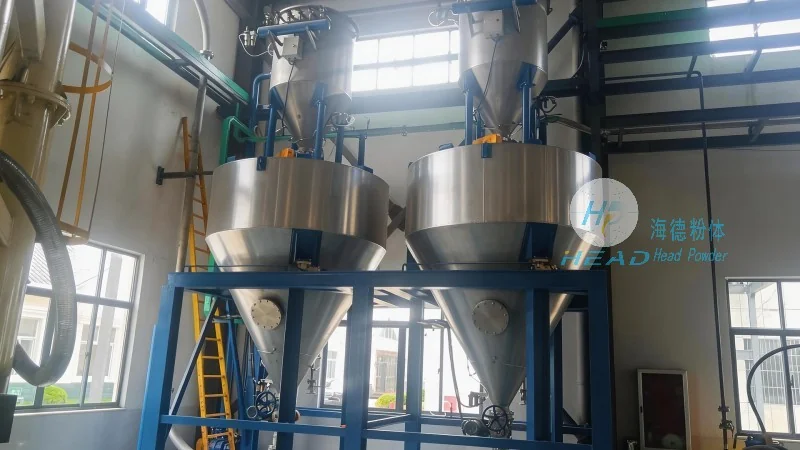
2. Bucket Elevator for Vertical Transportation
When zinc calcine needs to be transported vertically over a significant height, bucket elevators provide an efficient solution. This equipment is particularly suitable for applications where the calcine must be lifted from the ground level to a higher elevation, such as in the storage silos or processing plants. The bucket elevator operates by continuously rotating a chain or belt with attached buckets, which scoop up the calcine from the inlet and discharge it at the top. The design of the buckets, including their shape and spacing, is optimized to minimize material spillage and ensure stable transport. For zinc calcine, which may have a tendency to stick to the buckets due to its composition, anti-sticking coatings or special bucket designs are often employed to maintain smooth operation. The vertical transport capability of bucket elevators not only saves horizontal space but also reduces the overall system complexity compared to multiple belt conveyors for vertical movement. This makes them a preferred choice in many zinc production facilities where vertical lifting is required.
3. Pneumatic Conveying System for Flexible and Distant Transport
Pneumatic conveying systems offer a flexible and dust-free method for transporting zinc calcine, especially over long distances or in environments where dust control is a priority. This technology uses air pressure or vacuum to move the calcine particles through a pipeline. There are two main types: positive pressure systems, which blow air through the pipe to push the material forward, and negative pressure systems, which create a vacuum to draw the material into the pipe. For zinc calcine, which can be abrasive and may cause wear on the pipeline, the selection of suitable materials for the pipeline and the use of appropriate air flow rates are essential to prevent system blockages and ensure long-term reliability. Pneumatic conveying systems can handle a wide range of particle sizes and moisture contents, making them versatile for different calcine characteristics. They are often used to transport calcine from the calcination area to storage silos or for distribution to multiple processing units. The key advantage of this method is its ability to transport material without direct contact with mechanical parts, reducing the risk of contamination and wear. However, it requires careful design of the air flow and pipeline layout to maintain efficient and stable operation.
4. Combination of Multiple Transport Methods
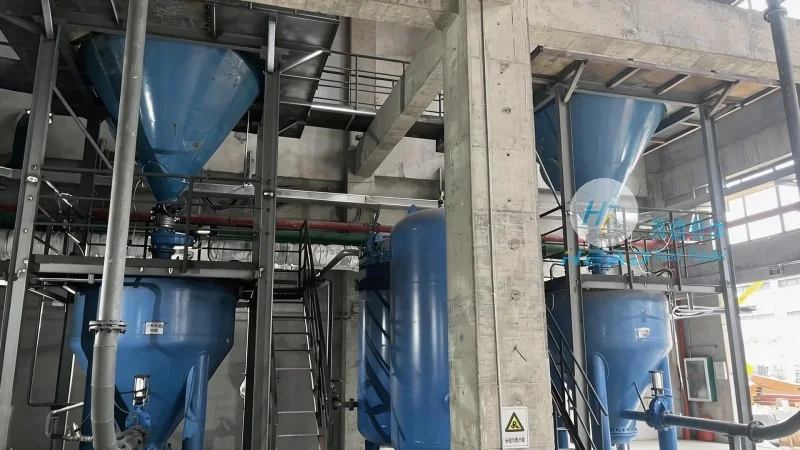
In many zinc production plants, a single transport method may not be sufficient to meet all the requirements. Therefore, combining different transportation equipment is common practice. For example, a belt conveyor might be used to transport zinc calcine horizontally from the calcination furnace to a bucket elevator, which then lifts it vertically to a storage silo. The silo's discharge may then be connected to a pneumatic conveying system to distribute the calcine to various processing units. This integrated approach ensures that the calcine is moved efficiently and safely through the entire production process. The selection of the combination depends on factors such as the plant layout, production scale, and the specific characteristics of the zinc calcine. Shandong HeadPowder Engineering Co., Ltd. specializes in designing and manufacturing customized material handling systems that integrate multiple transport methods to meet the unique needs of each client. Our engineers work closely with clients to analyze their production requirements and recommend the most suitable combination of equipment, ensuring optimal performance and cost-effectiveness.
5. Key Considerations for Choosing Zinc Calcine Transportation Methods
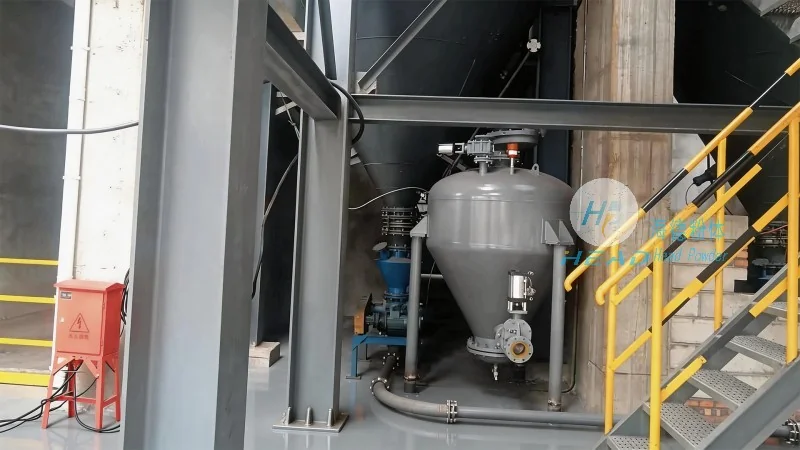
When selecting a transportation method for zinc calcine, several factors need to be considered to ensure the system operates efficiently and reliably. First, the physical properties of the zinc calcine, including its particle size distribution, moisture content, and bulk density, play a crucial role. These properties affect the choice of equipment and the design parameters. For instance, fine-grained calcine may require a different conveyor belt or pneumatic system compared to coarse-grained material. Second, the distance and elevation changes between the source and destination are important considerations. Horizontal transport over long distances is better suited for belt conveyors, while vertical transport is more efficiently handled by bucket elevators. For long-distance and flexible transport, pneumatic systems are preferred. Third, the production capacity and throughput requirements determine the capacity of the transport system. The equipment must be able to handle the required volume of calcine without causing bottlenecks or overloading. Fourth, cost and maintenance factors are also critical. While some methods may have higher initial costs, they may offer lower long-term maintenance expenses and higher efficiency. Shandong HeadPowder Engineering Co., Ltd. provides comprehensive consultation services to help clients evaluate these factors and choose the most appropriate transportation method for their zinc calcine handling needs.
6. Conclusion
Efficient transportation of zinc calcine is essential for the smooth operation of zinc metallurgical plants. Various methods, including belt conveyors, bucket elevators, and pneumatic conveying systems, are available, each with its own advantages and suitable applications. The choice of method depends on the specific production requirements, plant layout, and the physical properties of the zinc calcine. Shandong HeadPowder Engineering Co., Ltd., with its expertise in material handling systems, offers customized solutions that integrate the most suitable transportation methods to meet the needs of zinc production facilities. By selecting the right equipment and system design, plants can ensure reliable and efficient movement of zinc calcine, contributing to overall production efficiency and cost-effectiveness.