

Common Methods for Dry Sand Conveying?
For industrial applications, the efficient and reliable transportation of dry sand is crucial. Various methods have been developed to handle this material, each with its own advantages and specific use cases. Understanding these common methods is essential for selecting the most suitable solution for different operational needs.
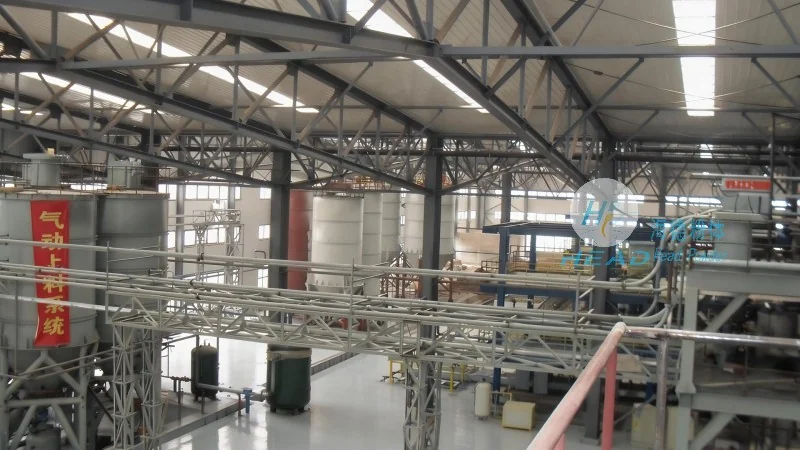
Overview of Dry Sand Conveying Methods
Dry sand, often used in construction, manufacturing, and mining industries, requires specialized equipment to ensure safe and effective movement. The primary goal of dry sand conveying is to transport the material from one location to another without degradation or loss. Several common methods are widely employed in industrial settings, each tailored to address particular challenges such as material characteristics, distance, and environmental factors.
Pneumatic Conveying Systems
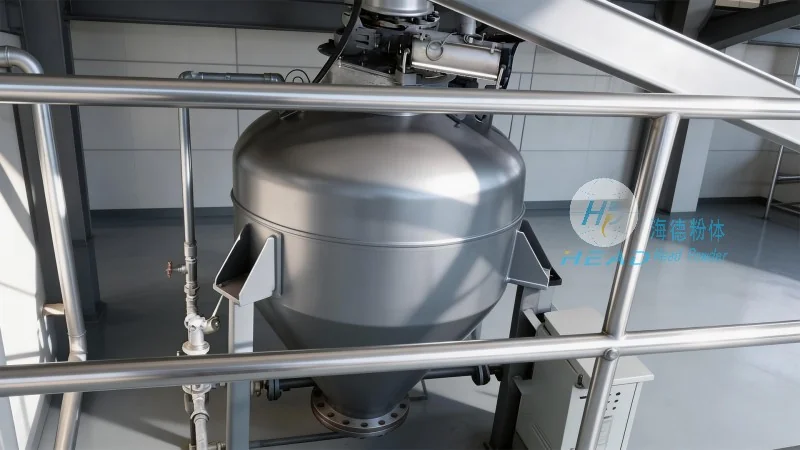
Pneumatic conveying is a widely used method for transporting dry sand. This technique involves using air pressure to move the material through a pipeline. There are two main types of pneumatic conveying systems: pressure and vacuum. Pressure systems use compressed air to push the sand forward, while vacuum systems use suction to draw the material into the pipeline. The choice between these systems depends on the distance and the amount of material to be conveyed. Pneumatic conveying is particularly effective for handling fine or dusty sand, as it can prevent material degradation and minimize dust emissions. The equipment typically includes a hopper, a blower, and a pipeline system. The sand is fed into the hopper, and the blower generates the necessary air pressure to move the material through the pipeline. This method is ideal for applications where the sand needs to be transported over short to medium distances, and where dust control is a priority.
Bucket Elevators
Bucket elevators are another common method for dry sand conveying. These systems use a series of buckets attached to a belt or chain that moves vertically or at an incline. The buckets scoop up the sand from a hopper and transport it to the desired height or location. Bucket elevators are particularly suitable for vertical or steep incline conveying, as they can handle large volumes of material efficiently. The design of the buckets and the speed of the conveyor belt can be adjusted to accommodate different sand characteristics, such as particle size and moisture content. This method is often used in industries like cement production, where the sand needs to be lifted to high storage silos. The bucket elevator system is robust and can operate continuously, making it a reliable choice for heavy-duty applications. However, it requires regular maintenance to ensure smooth operation and prevent wear and tear on the buckets and conveyor components.
Travelling Belt Conveyors
Travelling belt conveyors are a versatile method for horizontal or slightly inclined dry sand transportation. These systems consist of a continuous belt that moves over rollers or idlers, transporting the sand from one point to another. The belt is typically made of durable materials such as rubber or PVC to withstand the abrasive nature of dry sand. The conveyor can be designed as a fixed or mobile unit, depending on the operational requirements. Travelling belt conveyors are suitable for medium to long distances and can handle a wide range of sand types, including coarse or fine particles. The system includes a feeding hopper, a drive motor, and a discharge mechanism. The sand is fed into the hopper, and the belt transports it to the discharge point. This method is commonly used in construction sites and mining operations where the sand needs to be moved over long distances. The belt conveyor can be customized with different belt widths and speeds to optimize the conveying capacity. It is also relatively easy to install and maintain, making it a cost-effective solution for many applications.
Screw Conveyors
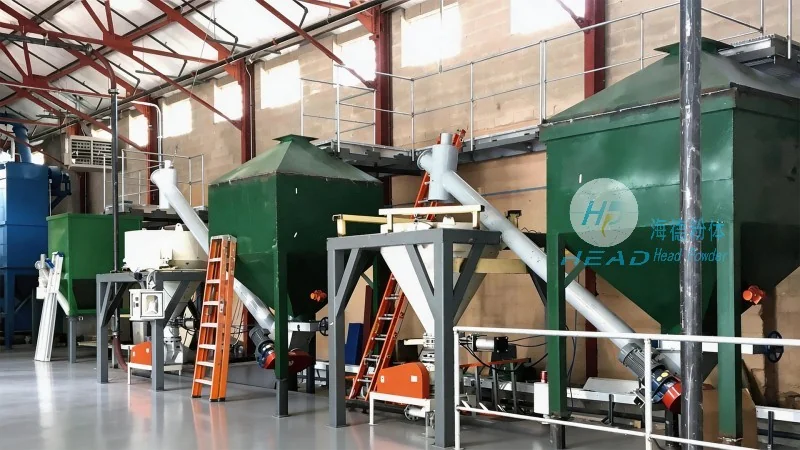
Screw conveyors, also known as auger conveyors, are another effective method for dry sand conveying. These systems use a rotating screw or auger to move the material through a tube or trough. The screw is driven by a motor, and as it rotates, it pushes the sand forward. Screw conveyors are suitable for both horizontal and inclined conveying, and they can handle a variety of sand characteristics, including wet or dry materials. The design of the screw and the pitch (distance between the threads) can be adjusted to control the conveying speed and capacity. This method is particularly useful for applications where the sand needs to be mixed or blended with other materials. The screw conveyor can be integrated with other equipment, such as mixers or feeders, to create a complete processing system. It is a compact and efficient solution for short to medium distance conveying, and it requires minimal space compared to other methods. However, it may not be suitable for very fine or dusty sand, as the screw can cause excessive friction and wear.
Chain and Flight Conveyors
Chain and flight conveyors are a specialized method for dry sand conveying, especially in applications where the material is abrasive or has high moisture content. These systems use a chain with attached flights (flights are flat or angled plates) that move the sand through a trough. The chain is driven by a motor, and the flights lift and move the sand forward. This method is particularly effective for handling sticky or cohesive sand, as the flights prevent the material from sticking to the conveyor surface. Chain and flight conveyors are commonly used in industries like food processing and mining, where the sand may contain impurities or have a high moisture level. The conveyor can be designed with different flight angles and chain speeds to optimize the conveying efficiency. It is a robust and durable solution that can withstand harsh operating conditions. However, it requires regular lubrication and maintenance to ensure smooth operation and prevent wear on the chain and flights.
Selection Criteria for Dry Sand Conveying Methods
Choosing the right dry sand conveying method depends on several factors, including the material characteristics, the distance to be covered, the required capacity, and the environmental considerations. The following criteria should be considered when selecting a conveying system:
1. **Material Characteristics**: The particle size, shape, and moisture content of the dry sand will influence the choice of conveying method. For example, fine or dusty sand may require pneumatic conveying to prevent dust emissions and material degradation, while coarse or abrasive sand may be better suited for belt or screw conveyors.
2. **Conveying Distance**: The distance between the source and the destination will determine the type of system to use. Short distances may be suitable for bucket elevators or screw conveyors, while longer distances may require belt conveyors or pneumatic systems.
3. **Capacity Requirements**: The amount of sand that needs to be transported per hour will affect the system's design. Higher capacity requirements may necessitate larger conveyors or multiple systems operating in parallel.
4. **Environmental Factors**: The need to control dust emissions or minimize noise may influence the choice of method. Pneumatic conveying, for instance, can be equipped with dust collection systems to comply with environmental regulations.
5. **Operational Costs**: The initial investment and ongoing maintenance costs should be considered. Some methods, such as belt conveyors, may have lower maintenance costs but higher initial expenses compared to pneumatic systems.
Conclusion
In conclusion, several common methods are available for dry sand conveying, each with its own advantages and limitations. The selection of the most appropriate method depends on the specific requirements of the application. By considering factors such as material characteristics, distance, capacity, and environmental considerations, industrial operators can choose a conveying system that ensures efficient, reliable, and cost-effective transportation of dry sand. The companies like Shandong HeadPowder Engineering Co., Ltd. specialize in providing customized conveying solutions tailored to meet the unique needs of their clients, ensuring optimal performance and longevity of the equipment.